
How Hemp Flower Oil Works as a Natural Anti-Inflammatory for Acne Management
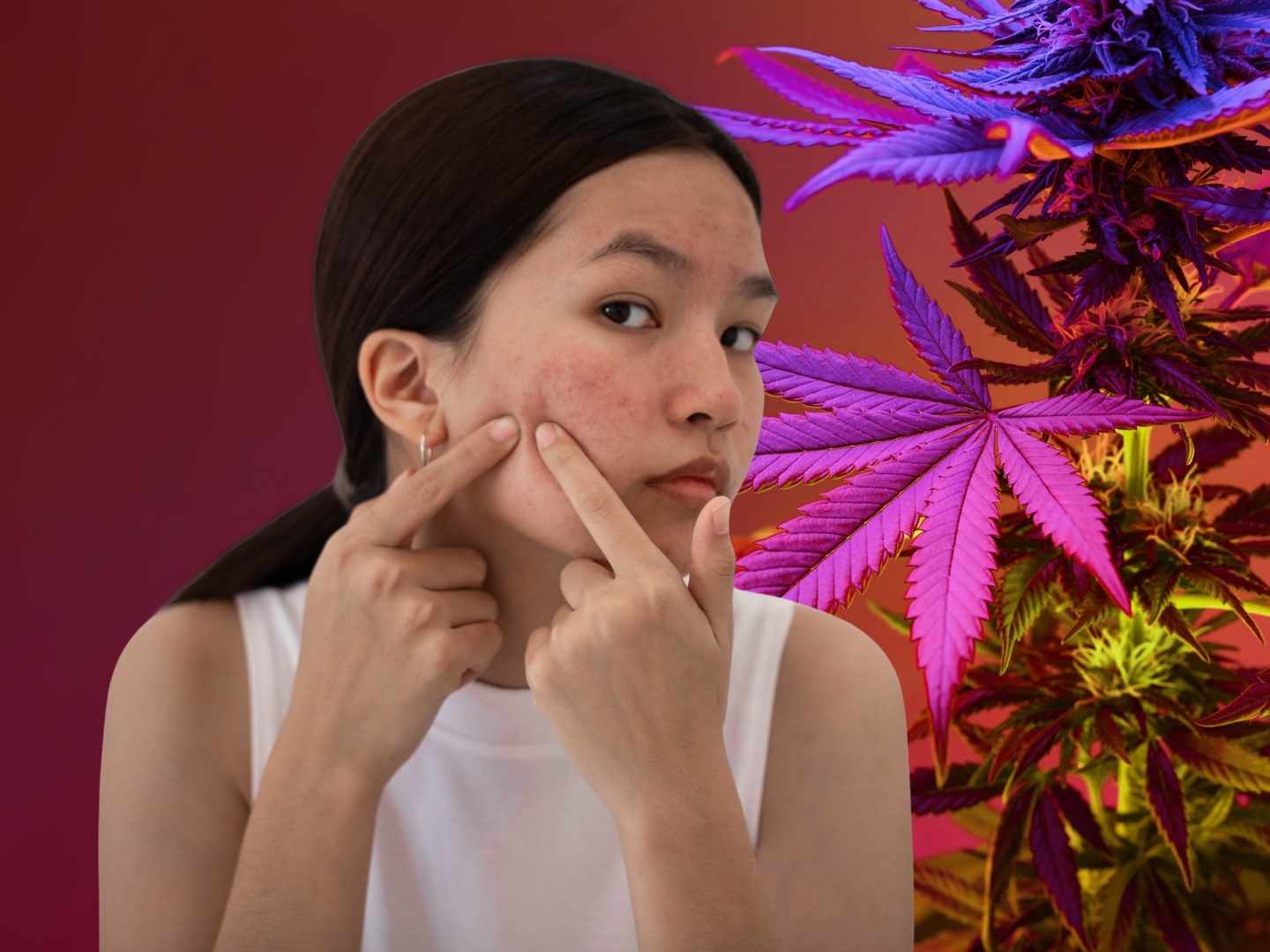
A Clear Look at the Evidence
Acne vulgaris is one of the most common skin conditions worldwide. It is driven by inflammation, excess sebum, microbial overgrowth, and disrupted skin barriers. Conventional treatments like antibiotics and retinoids help some patients, but they also bring side effects and questions about long-term safety and resistance. As demand grows for plant-based skin care backed by solid science, industrial hemp flower oil has emerged as a topical nutraceutical with potential anti-inflammatory and antimicrobial benefits.
This article synthesizes the current evidence on hemp-derived compounds, especially cannabidiol (CBD) and essential fatty acids, and how they may support acne-prone skin.
What Is Hemp Flower Oil and Why It Matters
Hemp flower oil is derived from the blossoms of Cannabis sativa and contains a spectrum of bioactive compounds. Unlike high-THC cannabis products, hemp flower oil used in topical applications is chosen for its non-psychoactive phytochemicals, particularly CBD, and a profile of fatty acids that interact with the skin’s biology without systemic intoxication.
In acne, the goal isn’t to alter consciousness — it’s to reduce inflammation, normalize sebum production, and support the skin’s barrier. Hemp flower oil contains multiple molecular players that help in those precise areas.
Anti-Inflammatory Actions: Beyond Surface Claims
One of the key drivers of acne is inflammation around hair follicles and sebaceous glands. Pro-inflammatory cytokines like interleukin-1beta (IL-1β), interleukin-8 (IL-8), and tumor necrosis factor-alpha (TNF-α) play major roles in lesion formation. Several studies show that CBD and related hemp compounds may down-regulate these inflammatory signals at the cellular level.
This modulation occurs through interaction with elements of the skin’s endocannabinoid system and related receptors involved in inflammation and immune response. Unlike medications that suppress inflammation broadly, hemp extracts appear to act locally and specifically within pathways relevant to acne lesions.
Sebum Regulation and Fatty Acids
Sebum overproduction is a hallmark of acne. Hemp oil is rich in omega-3 and omega-6 fatty acids, which are known to play roles in lipid metabolism and anti-inflammatory pathways. These fatty acids help strengthen the skin’s hydrolipidic barrier, support sebum balance, and may help prevent clogged pores without the harsh dryness that some acne treatments cause.
Unlike heavier oils that can worsen breakouts, hemp oil’s balanced fatty acid profile is non-comedogenic — meaning it is unlikely to block pores — while still nourishing the skin.
Antimicrobial Properties: Targeting Cutibacterium acnes
A central microbial contributor to acne is Cutibacterium acnes. Some research indicates that hemp flower oil exhibits antimicrobial activity against this bacterium. It may even interfere with bacterial biofilm formation, reducing populations of microbes that drive inflammation and lesion progression.
If confirmed in larger clinical studies, this suggests that hemp botanicals could offer a dual benefit: calming inflammation while also reducing microbial triggers.
What Current Evidence Shows in Practice
Across a range of in vitro and early clinical studies, topical CBD-containing formulations:
However, the current literature does not yet include large-scale, randomized controlled trials with standardized outcomes, which means the strongest clinical evidence is still emerging.
Safety, Regulation, and Open Questions
Most topical hemp-based products show excellent short-term tolerability, with mild irritation being rare. But because topical hemp extracts are regulated differently across regions, product quality, extraction consistency, and bioavailability vary widely.
Long-term safety data and standardized dosing recommendations are still needed. That’s especially important for patients using these products regularly or combining them with other acne therapies.
Bottom Line for Patients and Clinicians
Hemp flower oil and CBD-based topicals show promise as anti-inflammatory and sebostatic agents in acne management. Their molecular actions align with known acne-related pathways, and early evidence suggests they improve key markers of skin health with good safety profiles.
But because large, high-quality clinical trials are not yet available, hemp-based topical products should be viewed as complementary options rather than replacements for evidence-based acne therapies when those are needed.
Please note: You are not currently logged in. Only members can contribute comments. If you would like to contribute click the button below.
