
New Clinical Trial Finds Chronic CBD Supplementation May Lower Blood Pressure
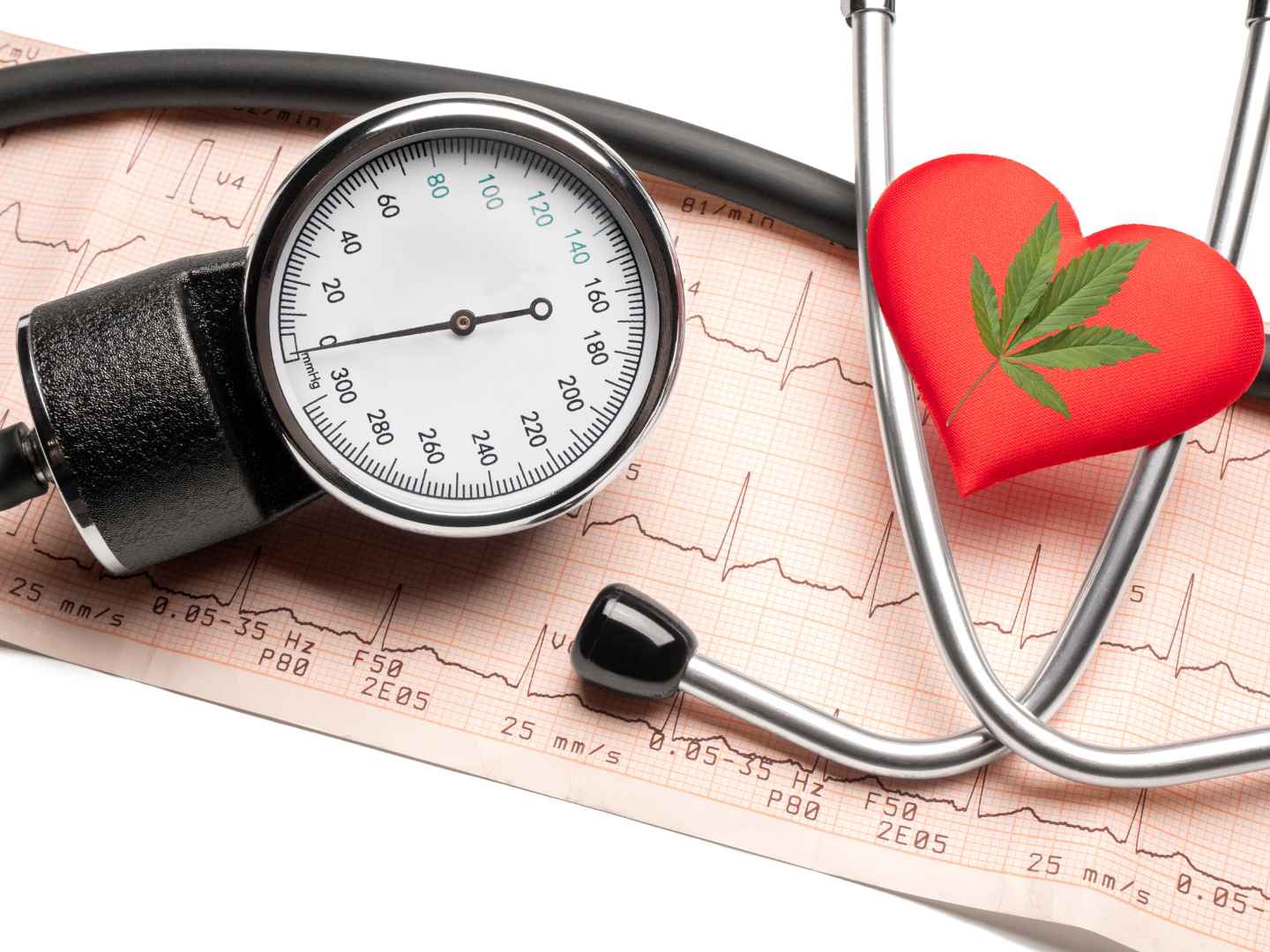
What the Latest European Heart Journal Data Reveals About Cannabidiol and Cardiovascular Health
A new randomized clinical trial reported in the European Heart Journal explored how chronic daily cannabidiol (CBD) affects cardiovascular function in people with primary hypertension. The findings provide some of the most rigorous human data yet on how CBD might interact with blood pressure and inflammatory pathways in a real-world, clinical setting.OUP Academic
Key Features of the Study
This trial enrolled about 70 adults with primary hypertension, a condition where persistent high blood pressure elevates risks for heart attack, stroke, and other serious outcomes. Participants received oral CBD or matched placebo for five weeks in a triple-blind, randomized crossover design, meaning everyone eventually took both CBD and placebo in sequence without knowing which was which. Blood pressure was monitored continuously over 24 hours along with blood markers of sympathetic nervous system activity and inflammation.
The study excluded people with serious comorbidities, tobacco users, those with a very high body mass index, or pregnancy to keep the results focused on CBD’s effects in uncomplicated hypertension.
Small But Meaningful Blood Pressure Reductions
After five weeks of regular CBD use, the study found:
• Average 24-hour systolic blood pressure dropped by roughly 4 mmHg.
• Average 24-hour diastolic blood pressure fell by about 3 mmHg.
• No similar changes occurred during the placebo phase.
In cardiovascular research even modest reductions like these can be meaningful. Lower average blood pressure over time is associated with lower risk of major cardiovascular events. These changes also correlated with shifts in biomarkers linked to sympathetic nervous system activity and vascular stress.
Biomarkers and Mechanisms
The physiology behind the blood pressure changes appears multifaceted:
• Levels of catestatin, a peptide that influences sympathetic nerve activity, went down with CBD use.
• Urotensin-II, a peptide associated with vascular constriction, also decreased during the CBD treatment period.
• Some inflammatory markers such as IL-8, IL-10, and IL-18 followed similar patterns.
These shifts hint that CBD may be affecting broad stress and inflammatory pathways rather than acting solely on vascular tone directly. While the precise mechanism remains under investigation, the correlations between biomarker changes and blood pressure suggest CBD’s effects reach into multiple biological systems.
What Did Not Change
Not every measure shifted with CBD. For example, standard metrics of vascular stiffness and heart-rate variability showed no significant differences between CBD and placebo periods. This underscores that CBD’s cardiovascular interactions could be subtle and domain-specific rather than broad-spectrum.
Safety and Tolerability
Across the study period, CBD was well tolerated with no significant safety concerns reported. This safety signal aligns with other recent reports of pharmaceutically manufactured CBD formulations showing no marked increase in cardiac side effects compared with placebo in small clinical cohorts.European Society of Cardiology
How to Interpret These Findings
This trial adds to a growing but still early evidence base suggesting that chronic CBD supplementation may influence cardiovascular parameters like blood pressure in people with hypertension. Because the study used a rigorous design and included objective blood pressure monitoring, its results carry more weight than small, unblinded or self-reported observational studies.PubMed
That said, this research does not declare CBD as a treatment for high blood pressure. The changes observed are modest and not a substitute for antihypertensive medications where they are clinically indicated. What we are seeing is early evidence that CBD interacts with physiological systems involved in cardiovascular regulation, suggesting possible roles as an adjunctive support in some contexts.MDPI
Broader Context in Cannabinoid Cardiovascular Research
This trial fits into a broader research landscape showing that:
• Acute CBD dosing can reduce blood pressure responses to stress in humans.PMC
• Preclinical and translational studies link CBD with anti-inflammatory, antioxidative, and vasoprotective effects on the cardiovascular system.
• Larger, longer randomized trials are still needed to clarify optimal dosing, long-term effects, and clinical significance across diverse populations.
The Takeaway
Current evidence from controlled research suggests that chronic CBD intake may modestly reduce 24-hour blood pressure in adults with primary hypertension and influence stress-related biomarkers. The effects are not dramatic enough to replace clinical blood pressure management, but they illuminate fascinating intersections between the endocannabinoid system, stress pathways, and cardiovascular function. As the research continues to evolve, these early signals support further investigation into how cannabinoids might play a role in cardiovascular health and chronic disease management.
Please note: You are not currently logged in. Only members can contribute comments. If you would like to contribute click the button below.
