
Cannabinoids for Anxiety and Sleep Disturbances
Why the Science Is Promising, Confusing, and Still Incomplete
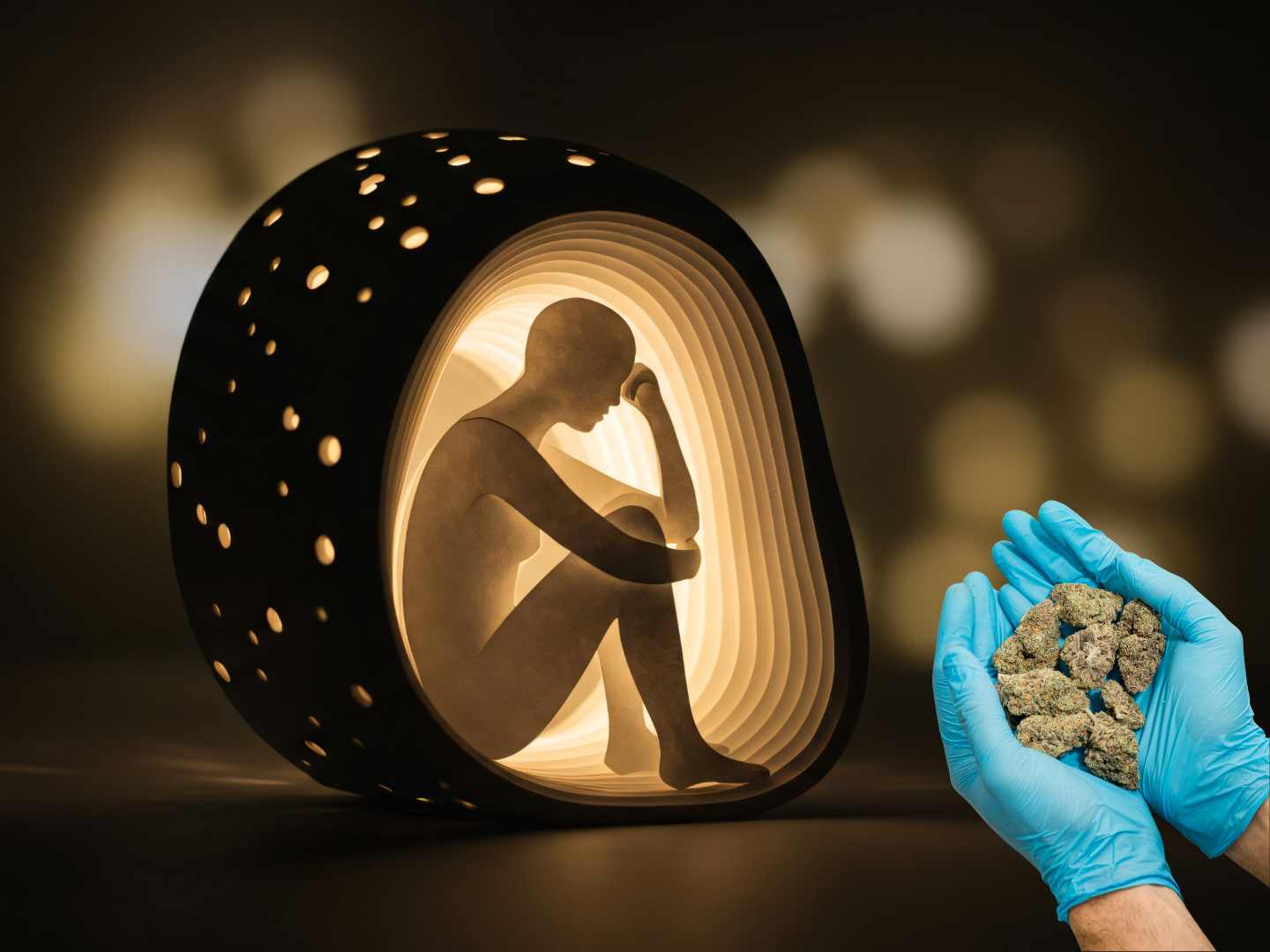
Anxiety and sleep issues don’t just co-exist, they spiral. When we wake up wired, our nervous system goes into overdrive; when we’re anxious during the day, our nights fragment. That bidirectional loop is more than psychological. It’s neurological, hormonal, and bioelectrical. And it’s why millions of Americans are turning to cannabinoids for relief, even as clinical evidence remains a patchwork of hope and ambiguity.
In a scoping review published in Medical Cannabis and Cannabinoids, researchers sifted through more than 1,100 studies to identify how cannabinoids affect both anxiety and sleep outcomes. Only 29 met their criteria and the findings illuminate both potential and pitfalls. Karger Publishers
What the Evidence Suggests
At the heart of the review is a central message: cannabinoids, especially cannabidiol (CBD), may help ease anxiety and improve sleep for some people. About 45 percent of studies reported positive effects on both outcomes, but variations in product types, dosages, and study designs make it hard to draw definitive conclusions.
CBD has emerged as a particularly interesting compound. It interacts with multiple pathways implicated in anxiety regulation and sleep-wake cycles. Early evidence, including observational data and small clinical trials, suggests it may promote calm and support sleep, perhaps by modulating serotonin and other neurotransmitters tied to mood and arousal.
That said, other cannabinoids, like tetrahydrocannabinol (THC), show mixed effects. While low doses of THC might help some people fall asleep faster, higher doses, especially over the long term, can worsen sleep quality or even increase anxiety in certain individuals. Some research suggests that THC may reduce rapid eye movement (REM) sleep and fragment overall sleep architecture. ScienceDirect+1
Why Research Is So Hard
A key limitation across studies is inconsistency. Researchers vary widely in:
• Product composition — THC vs. CBD vs. whole-plant vs. isolates
• Dosages and delivery methods — oils, edibles, vapes, tinctures
• Outcome measures — subjective self-reports vs. objective sleep tracking
• Population types — clinical diagnoses vs. general use
Because of this heterogeneity, generalizing results is difficult. Few studies report standardized dosing or clear effect sizes, and many rely on observational, not controlled, designs.
A Closer Look at Anxiety
Some systematic reviews outside this scoping analysis support CBD’s anxiolytic potential, especially in social anxiety and generalized anxiety contexts. CBD’s safety profile appears favorable compared to many pharmaceuticals, but the optimal dose remains unclear. PubMed+1
Though promising, the data also reveal that not everyone experiences benefit, and in some cases, THC (the component that makes people feel “high”) may actually exacerbate anxiety symptoms. PMC
What We Know About Sleep
Cannabinoids may help people fall asleep faster and subjectively feel more rested in the short term. Some research suggests improvements in insomnia severity with combined CBD and THC formulations. Liebert Publications+1
But when we look at sleep architecture, the deeper structure of nighttime rest, the story gets complex. Cannabis or cannabinoid use doesn’t consistently improve objective metrics like sleep duration, latency, or efficiency across studies. ScienceDirect
Moreover, long-term or heavy use may impair sleep quality, and withdrawal from cannabinoids can itself disrupt sleep continuity. ResearchGate
What This Means for You
Here’s the practical takeaway: cannabinoids, particularly CBD-dominant products, show potential as tools for people suffering from intertwined anxiety and sleep complaints. But the evidence isn’t robust or standardized enough yet to make universal clinical recommendations.
Think of cannabinoids as a part of a broader toolkit, not a cure-all. Sleep hygiene, cognitive behavioral strategies, and evidence-based therapies still form the foundation of treatment. Cannabinoids may complement these approaches for some people, especially those who don’t respond well to traditional medications, but personalization is essential.
Where Research Needs to Go
Future studies must:
• Standardize formulations and dosages
• Use objective sleep measures like polysomnography
• Explore mechanisms linking anxiety and sleep neurobiology
• Assess long-term outcomes and potential risks
Only with rigorous, consistent data will clinicians and patients be able to navigate cannabinoid therapy with confidence.
Please note: You are not currently logged in. Only members can contribute comments. If you would like to contribute click the button below.
