
Cannabidiol and Psoriasis: A New Look at Skin Inflammation—and What It Could Mean for You
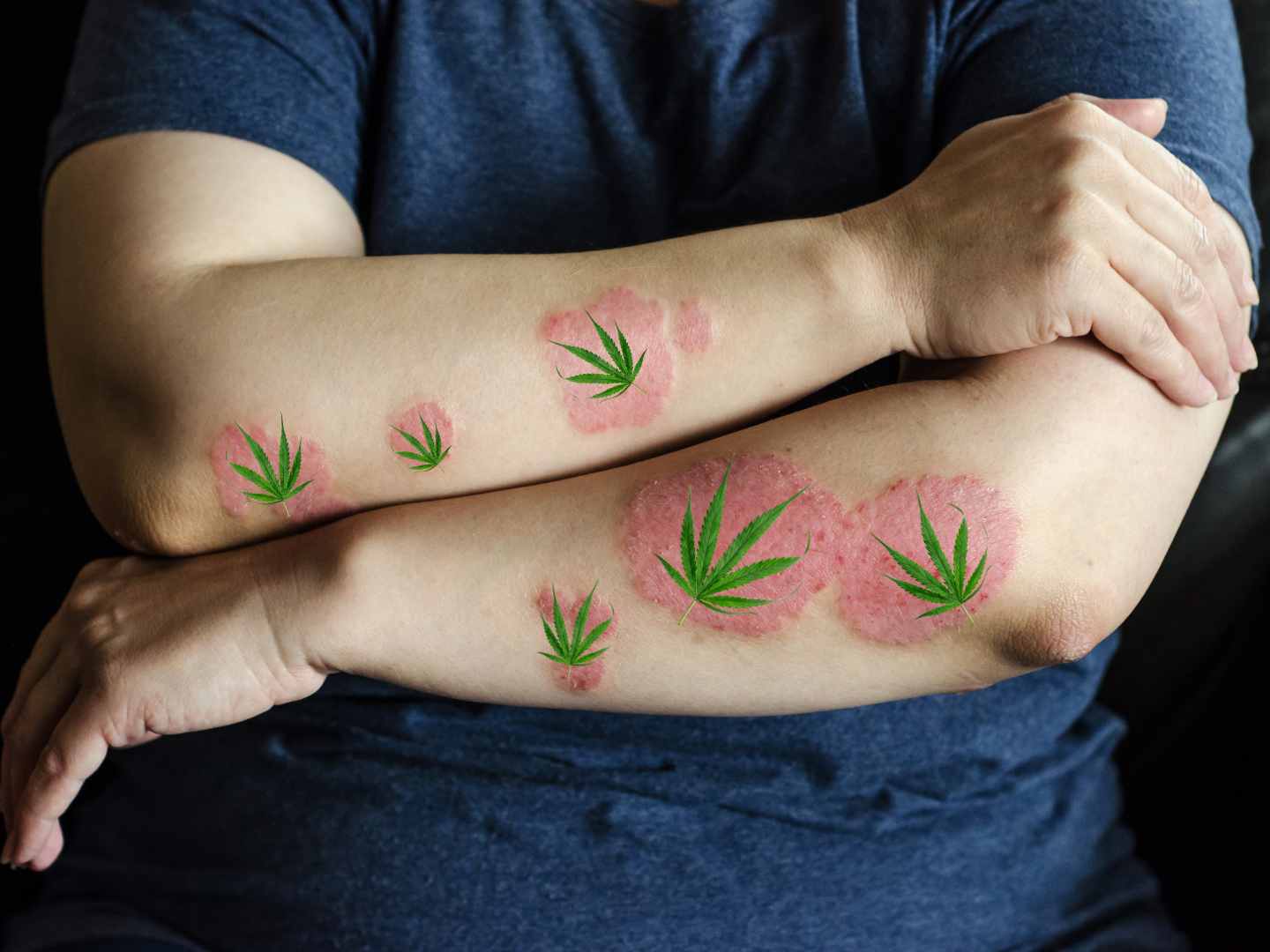
CBD shows measurable anti-inflammatory effects in psoriasis by suppressing NF-κB signaling and supporting healthier skin barrier function.
Psoriasis is not just a skin condition. It is a systemic autoimmune disorder driven by chronic immune dysregulation and inflammatory cytokine activity.
The skin contains its own active endocannabinoid system, which helps regulate inflammation, immune signaling, cellular turnover, and barrier integrity.
Full-spectrum cannabinoid formulations may outperform isolated CBD because cannabinoids, terpenes, and flavonoids appear to work synergistically.
Early evidence suggests cannabinoids may influence inflammation beyond the skin, including immune pathways involved in lung, gut, and systemic inflammatory conditions.
Cannabis-derived therapies for psoriasis are moving from anecdotal wellness claims into biologically plausible, clinically relevant territory.
A recent review in the Academic Medical Journal found that CBD may help treat plaque psoriasis by suppressing inflammatory NF-κB signaling and improving skin barrier integrity through keratin regulation. The findings reinforce growing evidence that cannabinoids interact directly with the skin’s endocannabinoid system to regulate inflammation, immune activity, and tissue repair.
When I saw the new article in the Academic Medical Journal examining CBD’s therapeutic effect in plaque psoriasis, it reaffirmed something I’ve been saying for years: cannabis therapies are far more biologically sophisticated than most people realize.
This is no longer just a conversation about relaxation, sleep, or pain management.
We’re now talking about measurable immune modulation, inflammatory pathway regulation, and structural tissue support occurring directly within the skin itself.
And psoriasis happens to be one of the clearest examples yet.
Psoriasis affects roughly 2% to 3% of the global population and is now widely understood as a chronic autoimmune inflammatory disease rather than merely a cosmetic skin condition (https://www.ncbi.nlm.nih.gov/books/NBK448194/). In psoriasis, immune dysregulation accelerates skin-cell turnover, drives cytokine production, and weakens normal barrier function.
“Psoriasis is not simply irritated skin. It is an immune-mediated inflammatory disorder expressed through the skin.”
That distinction matters because it changes what successful therapy actually looks like.
You are not just trying to suppress redness. You are attempting to regulate dysfunctional immune signaling while restoring tissue integrity.
That’s exactly where cannabinoids appear increasingly relevant.
The review highlighted how topical and transdermal CBD formulations inhibited NF-κB signaling, one of the major inflammatory control hubs involved in cytokine activation and autoimmune responses. NF-κB regulates inflammatory mediators like TNF-α, IL-6, and IL-17, all of which play central roles in psoriasis pathology (https://pubmed.ncbi.nlm.nih.gov/33487153/).
“NF-κB is not a minor inflammatory switch. It is one of the master regulators of immune activation.”
Suppressing excessive NF-κB activity has implications that extend well beyond dermatology.
But the study did not stop there.
Researchers also observed upregulation of keratin 6 and keratin 16, proteins involved in maintaining skin structure and resilience during injury repair and inflammatory stress. In practical terms, CBD was not merely calming inflammation. It was also supporting barrier restoration and tissue stability.
That dual action matters enormously.
“Effective psoriasis treatment is not just about suppressing inflammation. It is about restoring functional skin architecture.”
The skin itself contains an active endocannabinoid system. CB1 and CB2 receptors are expressed throughout epidermal tissue, sebaceous glands, immune cells, and sensory nerve fibers. This localized ECS helps regulate inflammation, itch signaling, cellular turnover, and barrier homeostasis (https://www.ncbi.nlm.nih.gov/pmc/articles/PMC2757311/).
That biological framework helps explain why cannabinoids may show particular promise in inflammatory skin disorders.
And importantly, this pattern is not isolated to CBD alone.
A broader review of cannabidiol as an immune modulator found that cannabinoids influence T-cell behavior, suppress pro-inflammatory cytokine signaling, and even induce apoptosis in overactive immune cells under certain conditions (https://www.ncbi.nlm.nih.gov/pmc/articles/PMC7023045/).
“Cannabinoids do not simply block inflammation. They help recalibrate immune signaling.”
That is a very different therapeutic philosophy than blunt-force immune suppression.
Emerging research involving CBG and other minor cannabinoids points toward similar anti-inflammatory activity in lung tissue, gut tissue, and broader immune networks. Delivery method also appears critically important. Absorption, formulation chemistry, terpene content, and tissue targeting all influence the biological outcome.
This is one reason full-spectrum formulations continue attracting attention.
“The entourage effect is not marketing language. It is the pharmacological reality that multiple plant compounds can influence each other’s biological activity.”
Terpenes, flavonoids, cannabinoids, and carrier systems may collectively shape therapeutic outcomes in ways isolated compounds cannot fully reproduce.
Interestingly, population-level data loosely aligns with the mechanistic science. Some observational analyses have found associations between recent cannabis use and lower circulating inflammatory biomarkers, although causation remains unproven (https://pubmed.ncbi.nlm.nih.gov/27736666/).
That does not mean cannabis universally reduces inflammation across every disease state.
And this is where nuance matters.
In conditions like inflammatory bowel disease, for example, patient-reported symptom improvement often exceeds objective biomarker improvement. Patients may sleep better, experience less pain, or report improved quality of life without necessarily showing dramatic reductions in endoscopic inflammation.
“Symptom relief and disease modification are not always the same thing.”
That distinction is crucial in cannabinoid medicine.
The psoriasis data stands out because the mechanisms are increasingly concrete. NF-κB modulation, cytokine regulation, ECS signaling, keratin support, and barrier restoration all form a biologically coherent therapeutic framework.
This is no longer purely anecdotal territory.
It is early-stage translational medicine.
And if you are exploring cannabis-based topicals for inflammatory skin conditions, psoriasis may currently represent one of the strongest intersections between mechanistic plausibility and emerging clinical relevance.
The broader anti-inflammatory potential of cannabinoids across arthritis, neuroinflammation, gut disease, and autoimmune conditions remains promising but mixed. More rigorous human trials, standardized formulations, pharmacokinetic mapping, and long-term safety data are still urgently needed.
But psoriasis?
That door is opening fast.
Early research suggests CBD may help reduce psoriasis-related inflammation by suppressing NF-κB signaling, regulating cytokines, and supporting skin barrier repair. Topical and transdermal formulations appear especially promising for localized symptom management.
Full-spectrum formulations contain multiple cannabinoids, terpenes, and flavonoids that may work synergistically through the entourage effect. Research increasingly suggests these combined plant compounds may produce stronger anti-inflammatory and tissue-supportive effects than isolated CBD alone.
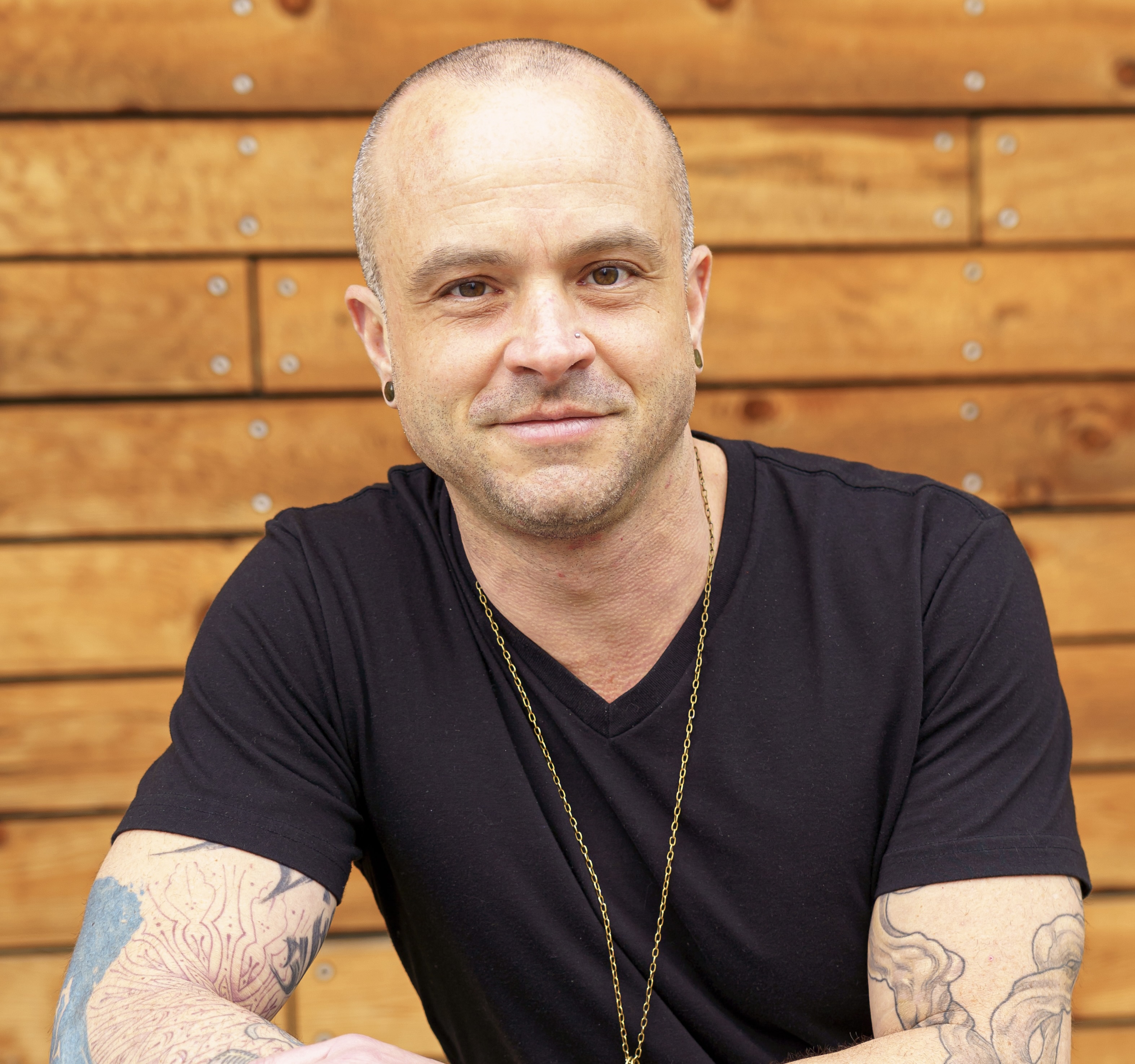
Matthew Myro Rothman is Chief Science Officer and VP of Marketing at EM2P2 and CannaLnx, where he helps bridge medical cannabis, healthcare infrastructure, patient education, and emerging technology. A lifelong musician, writer, philosopher, and cannabis science expert, Matthew spent more than 15 years working in cultivation, consulting, and medical cannabis operations throughout California before returning to Ohio to help shape the future of intelligent cannabis medicine. He holds a graduate degree in Philosophy, Cosmology, and Consciousness from California Institute of Integral Studies and writes extensively on cannabis science, consciousness, wellness, and human performance.
Please note: You are not currently logged in. Only members can contribute comments. If you would like to contribute click the button below.
