
From Shell-Shock to Strain Selection
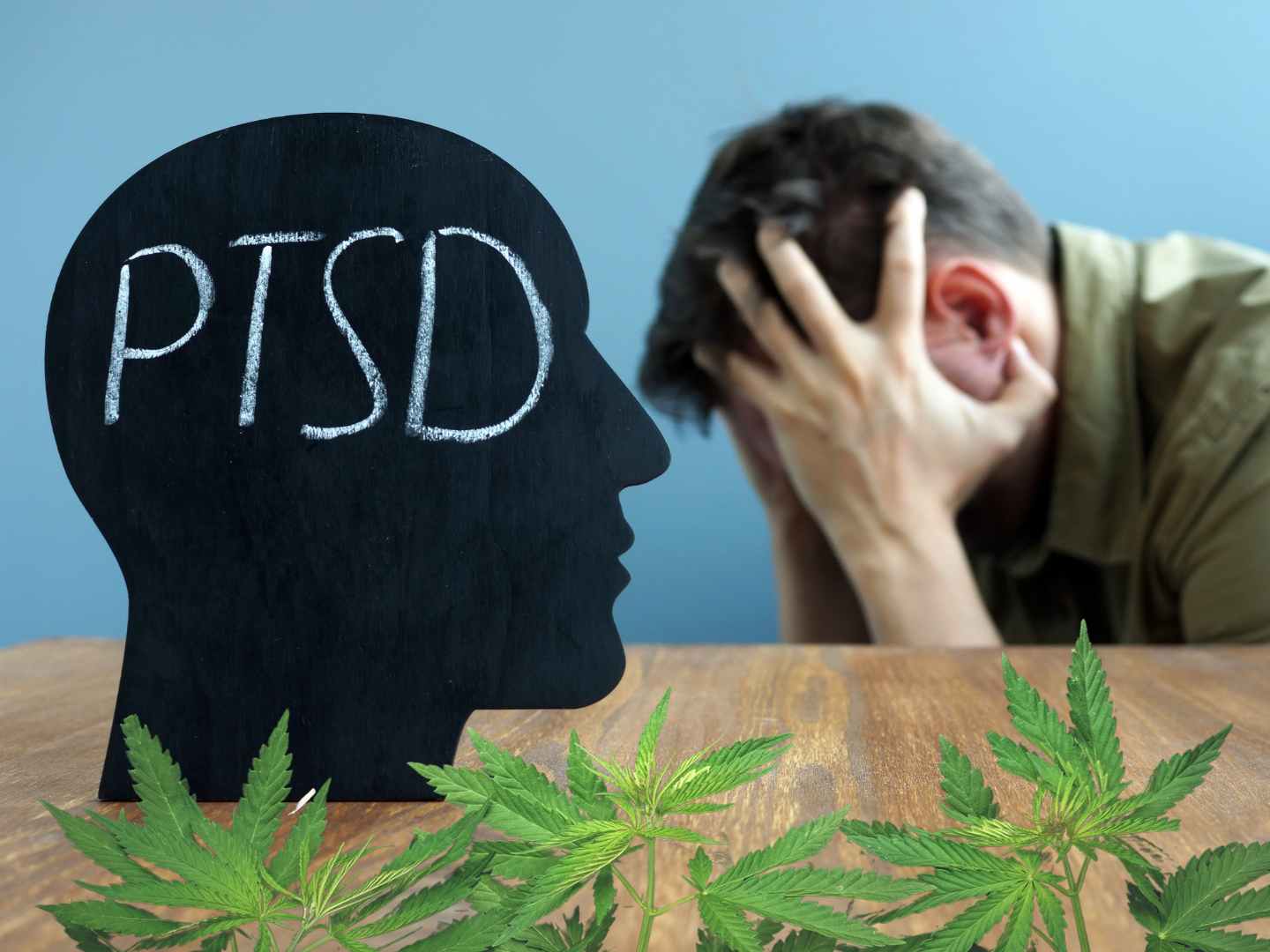
A new UK Medical Cannabis Registry study found long-term cannabis treatment significantly improved PTSD symptoms, sleep quality, anxiety, and overall well-being.
PTSD is not just a psychological condition. It is a nervous system disorder involving dysregulated fear processing, hyperarousal, and impaired stress recovery.
Cannabinoids like THC and CBD interact with the endocannabinoid system, which regulates memory extinction, emotional balance, and stress signaling.
Full-spectrum medical cannabis products appear more clinically relevant than isolated synthetic cannabinoids used in many older studies.
Balanced THC:CBD formulations may offer therapeutic benefit while reducing risks of anxiety and over-intoxication.
Growing clinical and observational evidence is shifting cannabis for PTSD from anecdotal discussion toward legitimate medical consideration.
A major UK registry study published in Expert Review of Clinical Pharmacology found that medical cannabis significantly improved PTSD symptoms over 18 months, including reductions in nightmares, hypervigilance, anxiety, and sleep disruption. The findings strengthen growing evidence that cannabinoids may help regulate the fear and stress circuits disrupted in trauma-related disorders.
The latest UK registry data backs what many patients have been saying for years: for some people living with PTSD, medical cannabis genuinely helps.
Not symbolically.
Not recreationally.
Functionally.
Post-traumatic stress disorder affects veterans, survivors of abuse, first responders, accident survivors, and countless others whose nervous systems became trapped in survival mode after overwhelming experiences. The National Center for PTSD estimates millions of adults experience PTSD annually, with symptoms ranging from intrusive memories and hypervigilance to insomnia, panic, emotional numbness, and chronic anxiety (https://www.ptsd.va.gov/understand/what/ptsd_basics.asp).
“PTSD is not just psychological distress. It is a persistent dysregulation of the brain’s fear and stress circuitry.”
That distinction matters because conventional treatment often focuses narrowly on symptom suppression rather than nervous-system regulation.
SSRIs, sedatives, and anti-anxiety medications help some patients, but many report incomplete relief, emotional flattening, dependency concerns, or intolerable side effects. That therapeutic gap is exactly why cannabis has become such an important area of interest.
And now the data is getting harder to dismiss.
The new study from the UK Medical Cannabis Registry, published in Expert Review of Clinical Pharmacology, followed PTSD patients using clinician-prescribed medical cannabis over an 18-month period. Researchers tracked symptom severity, anxiety, sleep quality, and quality-of-life outcomes using real-world medical cannabis treatment rather than isolated laboratory conditions.
The results showed statistically significant improvements across multiple PTSD domains, including reductions in intrusive thoughts, nightmares, hypervigilance, and anxiety symptoms.
Patients also reported improved sleep and better overall functioning.
“Sleep restoration is not a side issue in PTSD. It is central to nervous-system recovery.”
That point often gets overlooked.
PTSD disrupts sleep architecture profoundly. Many patients remain physiologically hyper-alert even during rest, which compounds emotional dysregulation, inflammation, fatigue, cognitive dysfunction, and mood instability. Improving sleep alone can dramatically alter quality of life.
The registry findings align with earlier research showing cannabinoids may help regulate fear extinction and stress-response pathways. A growing body of evidence suggests the endocannabinoid system plays a direct role in emotional memory processing, stress adaptation, and autonomic nervous-system regulation (https://pubmed.ncbi.nlm.nih.gov/18404144/).
“The endocannabinoid system is a regulatory network that helps the brain distinguish between real danger and remembered danger.”
That may be one reason cannabinoids appear relevant in trauma disorders.
THC and CBD interact with CB1 and CB2 receptors involved in emotional processing, memory reconsolidation, inflammatory signaling, and autonomic balance. Research has shown cannabinoids may reduce hyperarousal while also influencing the extinction of traumatic fear memories (https://pubmed.ncbi.nlm.nih.gov/31475430/).
CBD, specifically, has attracted attention for its anxiolytic and anti-inflammatory properties without strong intoxicating effects. Studies suggest CBD may reduce anxiety through serotonin 5-HT1A receptor modulation while also impacting stress-related neural circuitry (https://pubmed.ncbi.nlm.nih.gov/28553261/).
At the same time, THC appears more directly tied to symptom relief involving sleep disruption, nightmares, and emotional hyperreactivity.
This is where nuance becomes critical.
“Cannabis is not one molecule. It is a pharmacological ecosystem.”
Different cannabinoid ratios, terpene profiles, delivery methods, dosages, and patient sensitivities can produce very different outcomes.
That reality surfaced clearly in the UK registry study, where patients were not simply consuming random cannabis products recreationally. Most were using carefully titrated medical formulations, often balanced THC:CBD oils or full-spectrum products prescribed within monitored clinical frameworks.
That distinction matters enormously.
High-THC concentrates or poorly matched formulations can worsen anxiety, dissociation, or paranoia in trauma-sensitive individuals.
Balanced formulations appear substantially more promising.
Terpenes may also contribute meaningfully. Linalool, myrcene, and beta-caryophyllene have each demonstrated calming, sedative, or anti-inflammatory properties in preclinical research, potentially influencing the therapeutic profile of cannabis formulations beyond cannabinoids alone.
“The entourage effect is not marketing language. It describes how cannabinoids and terpenes interact biologically in combination.”
The broader PTSD literature is evolving quickly.
A 2021 randomized controlled trial funded by the Multidisciplinary Association for Psychedelic Studies (MAPS) examined smoked cannabis varieties for PTSD symptom management and found meaningful symptom reductions in several treatment groups, though researchers also emphasized the need for larger trials (https://pubmed.ncbi.nlm.nih.gov/33730032/).
Observational data from veterans and trauma survivors continues to report reductions in nightmares, anxiety, emotional volatility, and sleep disruption among medical cannabis users.
Still, caution remains important.
Cannabis is not universally beneficial for PTSD patients.
Certain individuals may experience worsened anxiety, dissociation, dependency concerns, or cognitive side effects, particularly with high-dose THC products or unsupervised use.
“Trauma-sensitive cannabis therapy requires personalization, not guesswork.”
That means careful dosing, appropriate cannabinoid ratios, patient education, and ongoing clinical oversight.
And despite growing evidence, PTSD still remains excluded as a qualifying medical cannabis condition in some jurisdictions.
That disconnect is becoming increasingly difficult to defend scientifically.
Especially as opioid dependency, benzodiazepine overuse, and treatment-resistant PTSD continue creating enormous public-health burdens.
The larger takeaway from the UK registry study is not that cannabis is a miracle cure.
It’s that the conversation has matured.
We are no longer operating solely on anecdote or cultural debate.
We are watching real-world longitudinal data accumulate around measurable improvements in trauma-related symptoms.
“The stigma surrounding cannabis in PTSD treatment is eroding faster than the policy structures built to contain it.”
And perhaps most importantly, many patients report something difficult to quantify but impossible to ignore:
They finally feel safe inside their own bodies again.
Research suggests medical cannabis may help reduce PTSD symptoms such as nightmares, anxiety, hypervigilance, intrusive thoughts, and sleep disruption. Balanced THC:CBD formulations appear especially promising, though responses vary between individuals.
CBD may help reduce anxiety and inflammation without strong psychoactive effects, while THC appears more effective for nightmares, sleep issues, and hyperarousal. Many clinicians and patients report that balanced full-spectrum formulations work better than isolated cannabinoids alone.
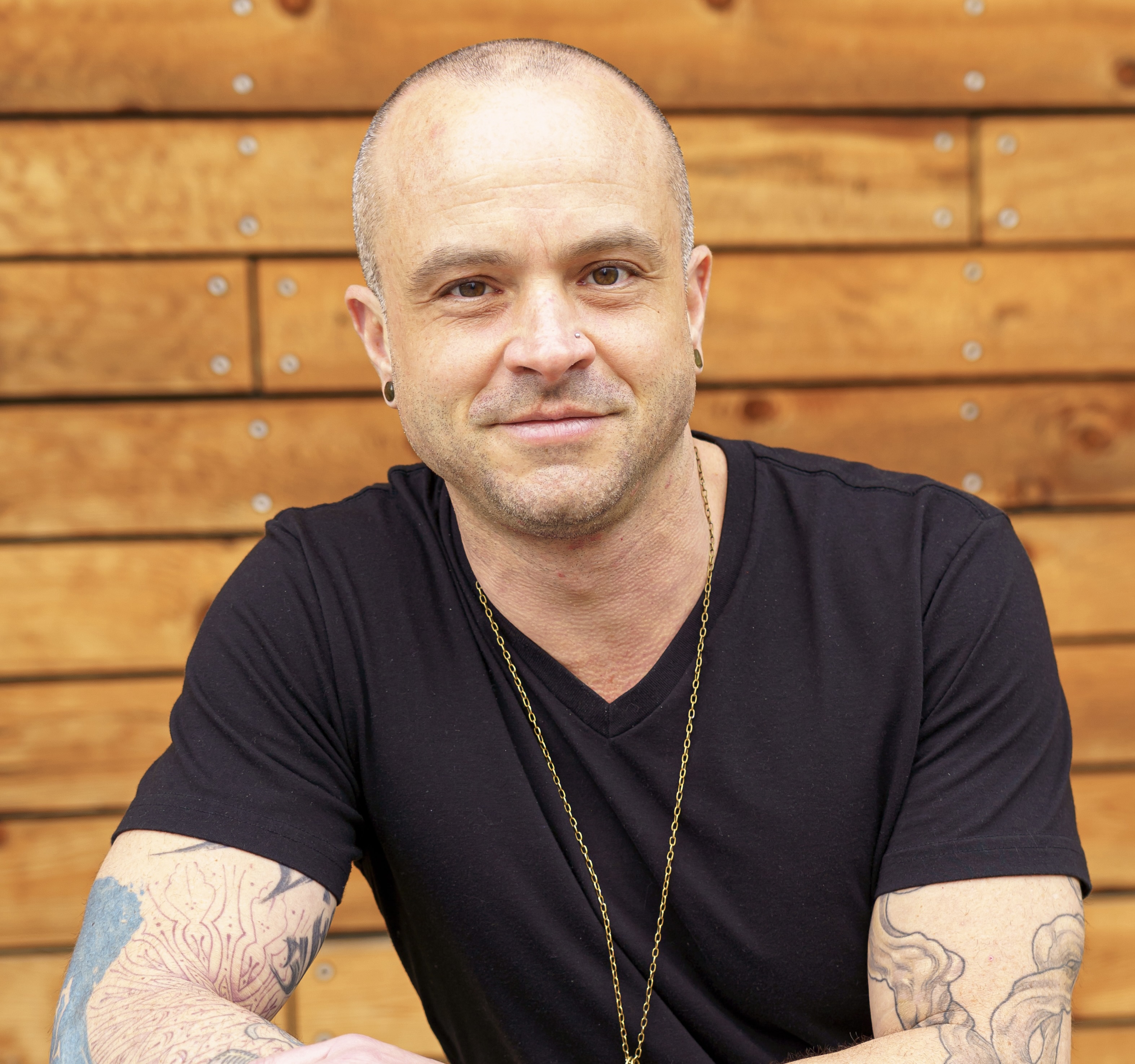
Matthew Myro Rothman is Chief Science Officer and VP of Marketing at EM2P2 and CannaLnx, where he helps bridge medical cannabis, healthcare infrastructure, patient education, and emerging technology. A lifelong musician, writer, philosopher, and cannabis science expert, Matthew spent more than 15 years working in cultivation, consulting, and medical cannabis operations throughout California before returning to Ohio to help shape the future of intelligent cannabis medicine. He holds a graduate degree in Philosophy, Cosmology, and Consciousness from California Institute of Integral Studies and writes extensively on cannabis science, consciousness, wellness, and human performance.
Please note: You are not currently logged in. Only members can contribute comments. If you would like to contribute click the button below.
 heavenScent Wednesday, June 25, 2025 9:24 AM
Great article
