
Cannabis, Kids, and Autism: What the Latest Science Tells Us

CBD-rich cannabis extracts may improve social responsiveness, anxiety, and disruptive behaviors in children and adolescents with autism spectrum disorder (ASD).
Emerging clinical evidence suggests CBD can support emotional regulation without the heavy sedation commonly associated with some psychiatric medications.
Autism is not a single condition with a universal treatment path. CBD appears to work best as part of a personalized, medically supervised care strategy.
The endocannabinoid system plays a role in mood regulation, stress response, and social behavior, making it a compelling target for ASD research.
Current evidence does not support the idea that CBD “cures” autism, but it may meaningfully reduce symptom burden and improve quality of life for some families.
The biggest barrier may no longer be science. It may be stigma, outdated policy, and lack of provider education.
CBD is emerging as a potentially valuable tool for managing certain autism-related symptoms, particularly anxiety, emotional dysregulation, and disruptive behaviors. Early clinical evidence suggests that CBD-rich cannabis extracts may improve quality of life for some children with ASD without causing the heavy sedation or behavioral blunting associated with many conventional medications.
There’s nothing easy about parenting a child on the autism spectrum. From meltdowns and anxiety to communication hurdles and sensory overload, families are often left navigating a maze of therapies, medications, specialists, and exhausted hope. For many parents, the process becomes less about finding a cure and more about finding moments of relief that allow their child to feel safe, connected, and emotionally regulated.
Now, a growing body of research suggests CBD, the non-intoxicating cannabinoid found in cannabis, may deserve far more attention in autism care than it currently receives.
At this year’s European Congress of Psychiatry in Madrid, researchers led by Dr. Lara Cappelletti Beneti Branco from the University of São Paulo presented findings from a meta-analysis involving 276 young people with autism spectrum disorder (ASD), ages 5 to 21. The studies focused on oral CBD-rich cannabis extracts containing trace levels of THC.
The results were difficult to ignore.
Children and adolescents using CBD demonstrated measurable improvements in social responsiveness alongside reductions in anxiety and disruptive behaviors. In practical terms, that can mean fewer emotional explosions, smoother transitions, improved tolerance to stress, and more meaningful social engagement. For families living inside the daily intensity of ASD, those shifts are not small. They can fundamentally reshape household stability and quality of life.
Importantly, the studies also found no significant increase in adverse effects compared to placebo. That matters because many conventional pharmaceutical options for ASD-related symptoms come with serious trade-offs, including sedation, metabolic disruption, emotional flattening, and movement disorders. According to the National Institute of Mental Health, medications commonly used in autism treatment are often prescribed to manage associated symptoms rather than autism itself (https://www.nimh.nih.gov/health/topics/autism-spectrum-disorders-asd).
CBD is not acting like a blunt pharmaceutical hammer. It appears to function more like a regulatory compound.
“The endocannabinoid system does not create emotion. It regulates emotional balance.”
That distinction matters. The endocannabinoid system helps modulate stress signaling, inflammation, mood, sleep, social behavior, and nervous system excitability. Research published through the U.S. National Library of Medicine has increasingly explored how cannabinoid signaling may influence autism-related behaviors and neurodevelopmental regulation (https://pmc.ncbi.nlm.nih.gov/articles/PMC6354384/).
“CBD does not suppress the nervous system. It appears to help the nervous system stop overreacting.”
For many children with ASD, the world can feel neurologically loud. Bright lights, sounds, textures, social unpredictability, and emotional stressors may overwhelm the brain’s filtering mechanisms. Some researchers believe CBD’s interaction with serotonin signaling, GABA activity, inflammatory pathways, and the endocannabinoid system may help stabilize these responses. Evidence published in Frontiers in Pharmacology has also suggested cannabinoids may influence anxiety regulation and social functioning (https://www.frontiersin.org/articles/10.3389/fphar.2020.586447/full).
This does not mean CBD is a miracle cure. Autism is extraordinarily complex, and no responsible clinician should frame cannabinoid medicine that way.
“Autism is not a disease to erase. It is a neurological difference that sometimes requires support.”
That support, however, matters deeply. Families are not searching for perfection. Most are simply trying to reduce suffering, improve communication, and create calmer daily rhythms for their children.
The reviewed studies used dosing ranges between 1 and 10 mg/kg/day, but researchers continue to stress the need for larger and longer-term trials before definitive treatment guidelines can be established. The American Academy of Pediatrics still urges caution regarding cannabis-derived products in pediatric populations due to limited long-term safety data (https://publications.aap.org/pediatrics/article/142/3/e20181889/38625/Medical-Marijuana).
Even so, the conversation is changing.
“Parents are increasingly asking whether cannabis belongs in autism care. Science is beginning to answer with cautious optimism instead of reflexive dismissal.”
That shift reflects something larger happening in medicine right now. Cannabis is slowly moving out of the cultural shadows and into evidence-based clinical discussions. The stigma surrounding pediatric cannabinoid use remains powerful, but the emerging data makes one thing increasingly clear: avoiding the conversation entirely no longer serves patients or families.
This is not about getting children high. CBD-rich extracts used in these studies contained only trace levels of THC and were specifically designed to minimize psychoactive effects while maximizing therapeutic potential.
What families need now is not fear-driven rhetoric. They need honest education, physician guidance, thoughtful regulation, and continued research.
Because when parents are exhausted, children are struggling, and existing treatment options often fall short, ignoring promising science stops being caution and starts becoming negligence.
Emerging research suggests CBD may help reduce anxiety, disruptive behaviors, emotional dysregulation, and social difficulties in some children with autism spectrum disorder. However, responses vary significantly between individuals, and treatment should always involve medical supervision.
CBD itself is non-intoxicating and does not produce the euphoric effects associated with THC. Most clinical autism studies use CBD-rich extracts containing only trace amounts of THC specifically to minimize psychoactive effects while preserving therapeutic potential.
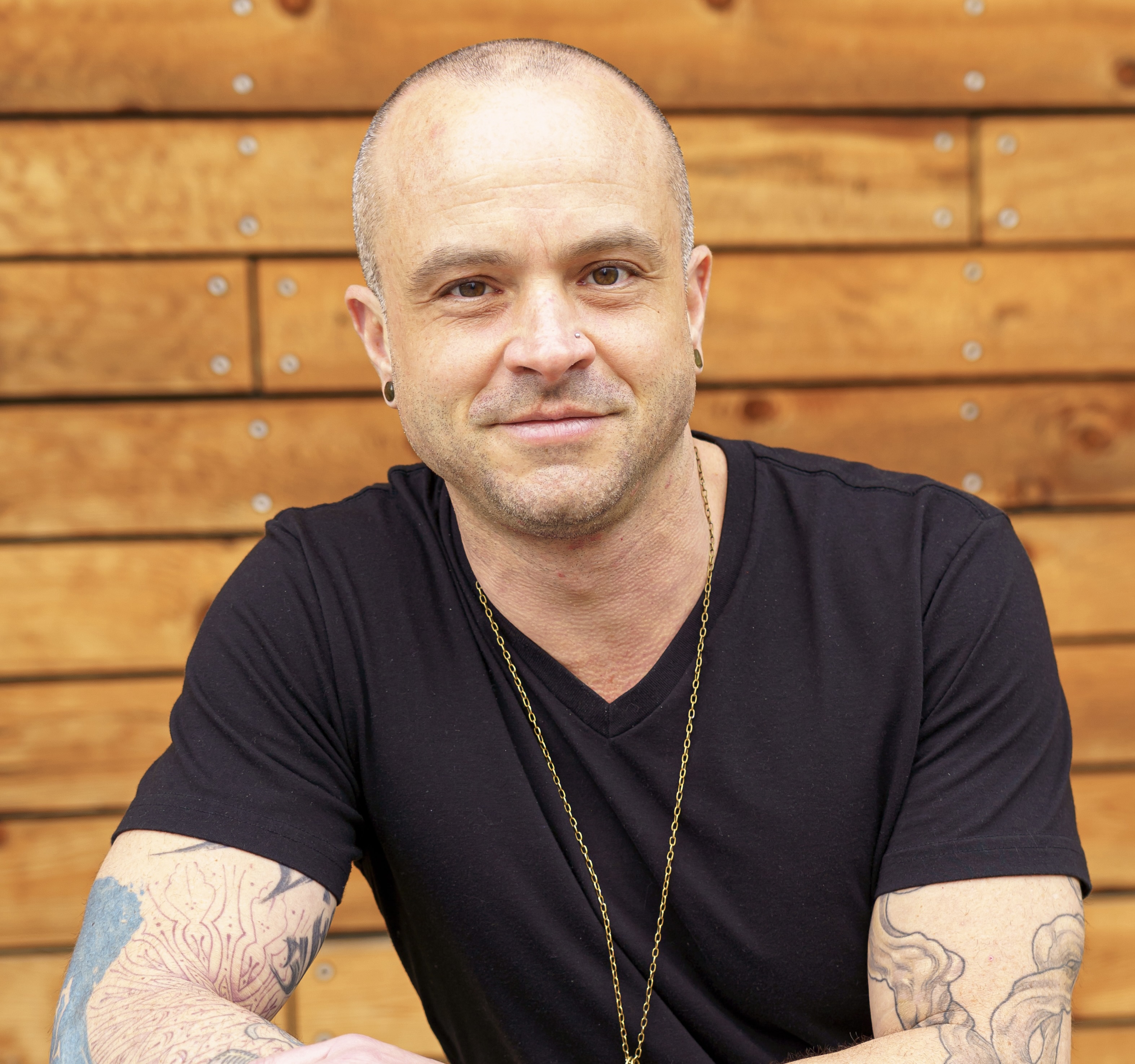
Matthew Myro Rothman is Chief Science Officer and VP of Marketing at EM2P2 and CannaLnx, where he helps bridge medical cannabis, healthcare infrastructure, patient education, and emerging technology. A lifelong musician, writer, philosopher, and cannabis science expert, Matthew spent more than 15 years working in cultivation, consulting, and medical cannabis operations throughout California before returning to Ohio to help shape the future of intelligent cannabis medicine. He holds a graduate degree in Philosophy, Cosmology, and Consciousness from California Institute of Integral Studies and writes extensively on cannabis science, consciousness, wellness, and human performance.
Please note: You are not currently logged in. Only members can contribute comments. If you would like to contribute click the button below.
