
Cannabinoids for Headaches? Potential Benefits and Risks

Cannabinoids may help regulate pain signaling, inflammation, and neurological sensitivity involved in migraine and cluster headache disorders.
Early evidence suggests some patients experience reductions in headache intensity, frequency, and sleep disruption when using cannabinoid-based therapies.
The endocannabinoid system interacts with CGRP-related pathways, which are central to many modern migraine treatments.
Current cannabis research for headaches remains limited by inconsistent dosing, short-term studies, and lack of large randomized clinical trials.
Cannabinoids are not risk-free and may contribute to cognitive side effects, dependence, or medication overuse headaches in certain patients.
The future of cannabinoid medicine for headaches will depend on precision dosing, patient selection, and stronger clinical research infrastructure.
Emerging research suggests cannabinoids may help some patients manage migraines and other headache disorders by regulating pain signaling, inflammation, and neurological hypersensitivity. However, current evidence remains mixed, and experts caution that cannabis-based therapies still require larger and more rigorous clinical trials before widespread medical adoption.
Headache disorders are not just headaches.
For millions of people living with migraines or cluster headaches, these conditions are neurological storms capable of dismantling entire days, careers, relationships, and nervous systems. Chronic migraine sufferers often navigate a rotating carousel of pharmaceuticals, dietary restrictions, sleep disruptions, sensory sensitivity, and emotional exhaustion while searching for something that actually works.
That search has increasingly led patients and researchers toward cannabinoids.
A recent review published in Current Opinion in Neurology by Dr. Deena E. Kuruvilla examined the growing body of evidence surrounding cannabinoid use in headache management. The review highlights both the therapeutic potential and the significant limitations still surrounding cannabis-based interventions for migraine and cluster headache disorders.
“The conversation around cannabinoids and headaches is no longer fringe medicine. It is emerging neurobiology.”
At the center of this discussion is the endocannabinoid system, a regulatory network involved in pain modulation, inflammation control, vascular tone, stress signaling, and neural excitability. The endocannabinoid system helps maintain neurological balance through receptors distributed throughout the brain, immune system, and peripheral nervous system.
“The endocannabinoid system does not eliminate pain. It regulates how pain is processed.”
That distinction matters because migraines are not simply vascular headaches. Modern migraine science increasingly recognizes migraines as complex neurological events involving hypersensitive pain networks, inflammatory cascades, and altered sensory processing. Research published through the National Institutes of Health has shown that endocannabinoid signaling influences trigeminal pain pathways and neuroinflammatory activity associated with migraine generation (https://pmc.ncbi.nlm.nih.gov/articles/PMC5928495/).
Cannabinoids may also intersect with CGRP-related mechanisms. CGRP, or calcitonin gene-related peptide, plays a central role in migraine pathophysiology and is the target of several modern migraine medications. Some immune and neural cells express receptors linked to both cannabinoid signaling and CGRP activity, suggesting cannabinoids may influence migraine biology through overlapping pathways.
“Cannabinoids do not merely dull pain. They may alter the neurological environment that allows migraines to escalate.”
That possibility has fueled increasing interest among both patients and clinicians.
Preliminary studies and patient reports suggest cannabinoids may reduce headache intensity and frequency in some individuals. Other patients report improvements in sleep quality, stress reduction, and sensory regulation, all of which matter because disrupted sleep and chronic stress are major migraine triggers. Research published in The Journal of Pain found that medical cannabis use was associated with reduced migraine frequency among some patients, although the study authors stressed the need for controlled clinical trials (https://pubmed.ncbi.nlm.nih.gov/31719459/).
Cluster headaches have also entered the cannabinoid conversation, though evidence remains limited and highly variable between individuals.
Still, the enthusiasm around cannabinoids must be balanced with caution.
“Cannabis is not universally therapeutic simply because it is plant-derived.”
Cannabinoid use can produce cognitive side effects, particularly at higher THC concentrations. Some patients experience impaired memory, altered attention, anxiety, or emotional dysregulation. There is also concern regarding dependency risk and the potential development of medication overuse headache (MOH), a condition where excessive reliance on acute symptom relief strategies paradoxically worsens headache frequency over time.
Research published through the International Classification of Headache Disorders recognizes medication overuse headache as a major challenge in chronic headache management, regardless of whether the overused substance is prescription medication, over-the-counter analgesics, or potentially cannabis-related interventions (https://ichd-3.org/8-headache-attributed-to-a-substance-or-withdrawal/8-2-medication-overuse-headache/).
“The same compound that relieves symptoms can become part of the cycle if used without structure or oversight.”
That complexity is one reason current evidence remains difficult to interpret cleanly.
Many cannabis studies suffer from inconsistent dosing, poorly standardized formulations, short follow-up periods, and lack of placebo-controlled design. One patient may use a balanced THC:CBD tincture, another may vaporize high-potency flower, and another may use isolated cannabinoids orally. Comparing outcomes across such radically different interventions becomes scientifically messy very quickly.
“Cannabis research often struggles because the term ‘cannabis’ describes hundreds of chemically distinct experiences.”
That challenge is compounded by the fact that migraine itself is not a uniform condition. Some migraines are hormonally driven. Others are linked to inflammation, stress, sensory overload, trauma, vascular dysfunction, or genetic predisposition. A therapy that works remarkably well for one patient may do almost nothing for another.
This is why personalized medicine matters.
Cannabinoids may ultimately find their strongest role not as universal migraine cures, but as targeted tools within broader neurological treatment strategies. Some patients may benefit from THC-dominant formulations for pain intensity. Others may respond better to CBD-rich preparations aimed at anxiety reduction, sleep support, or inflammatory regulation.
What remains clear is that the scientific conversation has matured.
The question is no longer whether cannabinoids interact with headache biology. They clearly do. The real question now is which cannabinoids, at what dosages, for which patients, under which conditions, and with what long-term outcomes.
That is the work still ahead.
Some studies and patient reports suggest cannabinoids may reduce migraine frequency, pain intensity, and associated symptoms like sleep disruption or anxiety. However, research remains limited, and results vary significantly between individuals.
Potential risks include cognitive impairment, dependency, anxiety, and medication overuse headache if cannabinoids are used excessively or without medical oversight. Long-term safety data for chronic headache treatment are still limited.
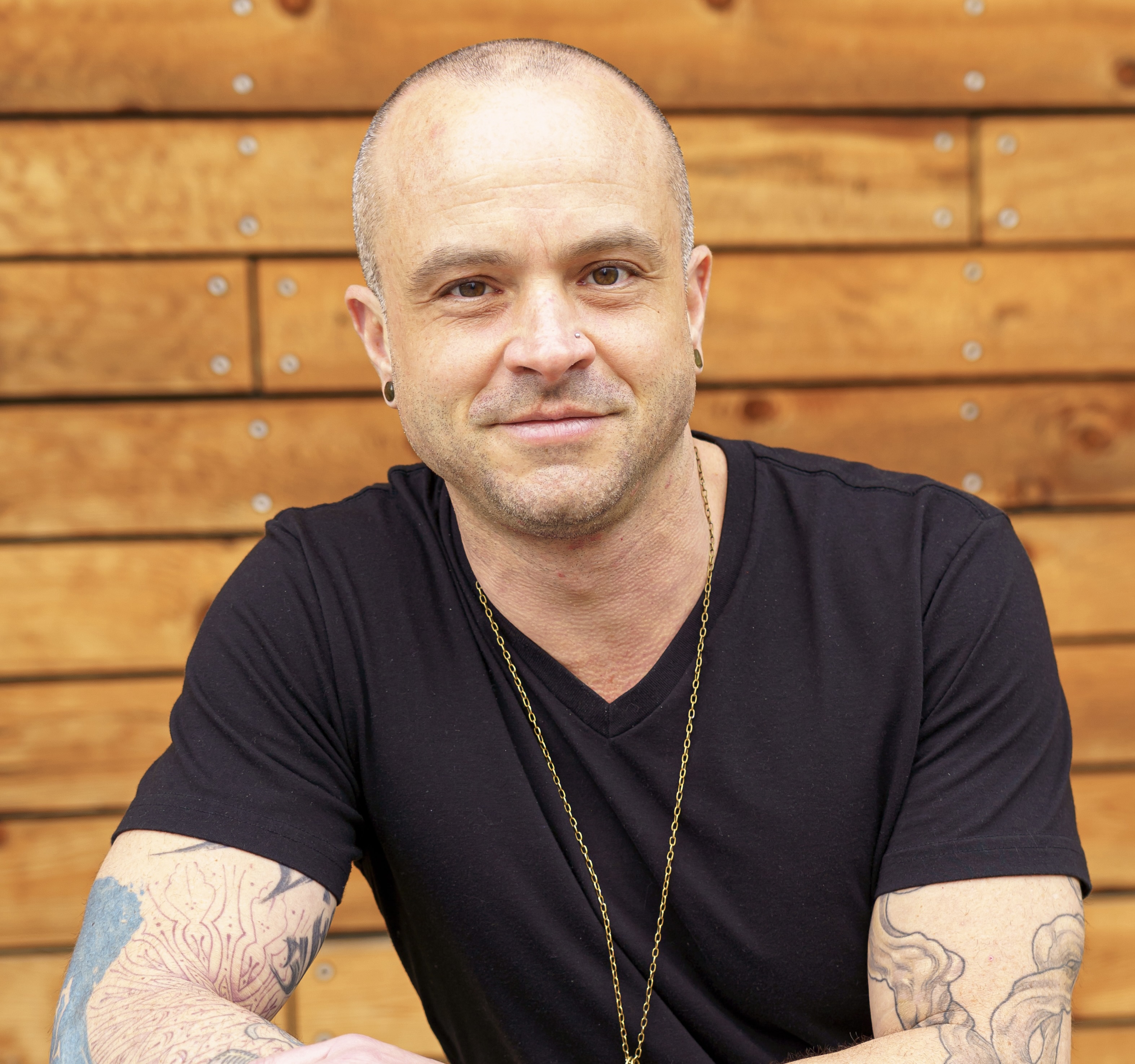
Matthew Myro Rothman is Chief Science Officer and VP of Marketing at EM2P2 and CannaLnx, where he helps bridge medical cannabis, healthcare infrastructure, patient education, and emerging technology. A lifelong musician, writer, philosopher, and cannabis science expert, Matthew spent more than 15 years working in cultivation, consulting, and medical cannabis operations throughout California before returning to Ohio to help shape the future of intelligent cannabis medicine. He holds a graduate degree in Philosophy, Cosmology, and Consciousness from California Institute of Integral Studies and writes extensively on cannabis science, consciousness, wellness, and human performance.
Please note: You are not currently logged in. Only members can contribute comments. If you would like to contribute click the button below.
