
Can Cannabis Help Treat Depression?
.jpg)
Emerging research suggests cannabinoids may influence mood regulation through interactions with the endocannabinoid system, serotonin signaling, and stress-response pathways.
Some studies report reduced depressive symptoms among cannabis users, but current evidence remains mixed and highly individualized.
Cannabis does not appear to directly cause depression in most users, though heavy or poorly managed use may worsen symptoms in vulnerable individuals.
The relationship between cannabis and depression is complex because many patients use cannabis to cope with pre-existing emotional distress.
Medical cannabis may offer symptom relief for some people with treatment-resistant depression, chronic illness-related depression, or anxiety-related depressive symptoms.
Cannabis is not a replacement for comprehensive mental health care and should be approached thoughtfully under medical supervision.
Medical cannabis may help some individuals manage depressive symptoms by influencing mood regulation, stress response, sleep, and emotional processing. However, depression is biologically complex, and while early evidence is promising, cannabis-based treatment still requires careful dosing, medical oversight, and more long-term clinical research.
Depression is not simply sadness stretched across time.
It is often a deeply physiological condition involving disrupted stress signaling, altered neurotransmitter activity, inflammation, sleep dysfunction, emotional exhaustion, and a nervous system that loses its ability to regulate itself effectively. For millions of people worldwide, traditional antidepressants provide relief. For others, they produce minimal benefit, intolerable side effects, or emotional flattening that feels less like healing and more like sedation wearing a polite disguise.
That therapeutic gap is one reason medical cannabis continues attracting attention in conversations around mental health.
For centuries, cannabis has been used across cultures for its mood-altering and emotionally regulating effects. Modern science is now beginning to explore whether those observations reflect legitimate neurobiological mechanisms rather than anecdote alone.
“The question is no longer whether cannabis affects mood. The question is how, for whom, and under what conditions.”
At the center of this conversation sits the endocannabinoid system, a regulatory network involved in mood balance, stress adaptation, sleep, inflammation, emotional learning, and reward signaling. The endocannabinoid system interacts closely with serotonin pathways, dopamine regulation, and hypothalamic-pituitary-adrenal (HPA) axis activity, all of which are implicated in depressive disorders.
“The endocannabinoid system does not manufacture happiness. It helps regulate emotional equilibrium.”
Research published through the National Institutes of Health has shown that dysregulation of the endocannabinoid system may contribute to depression, anxiety, and stress-related disorders (https://pmc.ncbi.nlm.nih.gov/articles/PMC3997295/). Some researchers now view cannabinoid signaling as part of the brain’s broader resilience architecture, helping the nervous system recover from chronic stress and emotional overload.
That possibility has fueled increasing interest in cannabinoids like THC and CBD as potential therapeutic tools.
CBD, in particular, has drawn attention because of its apparent interaction with serotonin 5-HT1A receptors, which are heavily involved in mood and anxiety regulation. Research published in Frontiers in Immunology has also explored how cannabinoids may influence inflammation pathways increasingly associated with depressive disorders (https://www.frontiersin.org/articles/10.3389/fimmu.2018.02080/full).
“Depression is not always a serotonin deficiency. It is often a systems-level dysregulation involving stress, inflammation, sleep, and neurochemistry.”
What does the actual research say so far?
One frequently discussed survey conducted through the University of Southern California evaluated depressive symptoms among cannabis users and non-users using the Center for Epidemiologic Studies Depression Scale. Participants who used cannabis reported fewer depressive symptoms compared to non-users. Interestingly, medical cannabis users showed higher depression scores than recreational users, but researchers suggested this likely reflected the underlying health conditions that drove medical cannabis use in the first place rather than cannabis causing depression.
This distinction matters enormously.
“Correlation is not causation. Many depressed individuals use cannabis because they are already struggling.”
That nuance is often lost in public discussions surrounding cannabis and mental health. Observational studies sometimes identify higher cannabis use among individuals with depression, but this does not automatically mean cannabis created the depression. In many cases, people may be self-medicating symptoms that predate cannabis exposure entirely.
At the same time, the science remains far from settled.
Heavy cannabis use, particularly involving high-THC products, may worsen anxiety, emotional dysregulation, or depressive symptoms in certain vulnerable populations. According to the National Institute on Drug Abuse, frequent cannabis use has been associated with increased risk of mental health complications in some individuals, particularly adolescents and those predisposed to psychiatric disorders (https://nida.nih.gov/publications/research-reports/marijuana/there-link-between-marijuana-use-psychiatric-disorders).
“Cannabis is neither universally therapeutic nor universally harmful. Context determines outcome.”
Dosage matters. Cannabinoid ratios matter. Frequency matters. Age matters. Genetics matter. Someone using carefully dosed cannabinoid therapy under physician guidance is operating in a very different physiological context than someone consuming ultra-high THC concentrates indiscriminately while avoiding therapy, sleep, movement, nutrition, and emotional support.
This is why self-medicating depression can become risky.
Without medical oversight, patients may unknowingly worsen symptoms, develop tolerance, disrupt sleep architecture, or create dependency patterns that complicate recovery. Cannabis should not be viewed as a standalone replacement for psychotherapy, lifestyle interventions, trauma work, social connection, or broader mental health support systems.
“Cannabis may help regulate symptoms. It does not replace the deeper work of healing.”
Still, the therapeutic potential deserves serious investigation.
Patients with chronic pain, cancer, autoimmune disease, PTSD, and treatment-resistant mood disorders frequently report improvements in emotional well-being alongside reductions in pain, insomnia, and physiological stress. In some cases, cannabinoids may help indirectly by improving sleep quality, reducing inflammation, decreasing pain burden, or calming hyperactive stress responses that contribute to depressive symptoms.
The larger point is this: depression is biologically and psychologically complex. Any honest conversation about cannabis must respect that complexity instead of collapsing into simplistic narratives about miracle cures or inevitable harm.
Medical cannabis may ultimately become an important tool within integrative mental healthcare. But getting there will require better clinical trials, standardized dosing research, long-term safety data, and physicians educated enough to guide patients responsibly rather than leaving them to navigate the process alone.
Because when millions of people are still suffering despite conventional treatment options, exploring new therapeutic pathways is not recklessness.
It is medicine doing what it is supposed to do: continuing to ask questions.
Some patients report improvements in mood, sleep, anxiety, and emotional regulation when using medical cannabis. Early research suggests cannabinoids may influence neurotransmitter signaling and stress pathways involved in depression, though more long-term clinical studies are needed.
Current evidence does not support the idea that cannabis directly causes depression in most people. However, heavy or poorly managed cannabis use may worsen symptoms in certain vulnerable individuals, particularly those with underlying psychiatric risk factors.
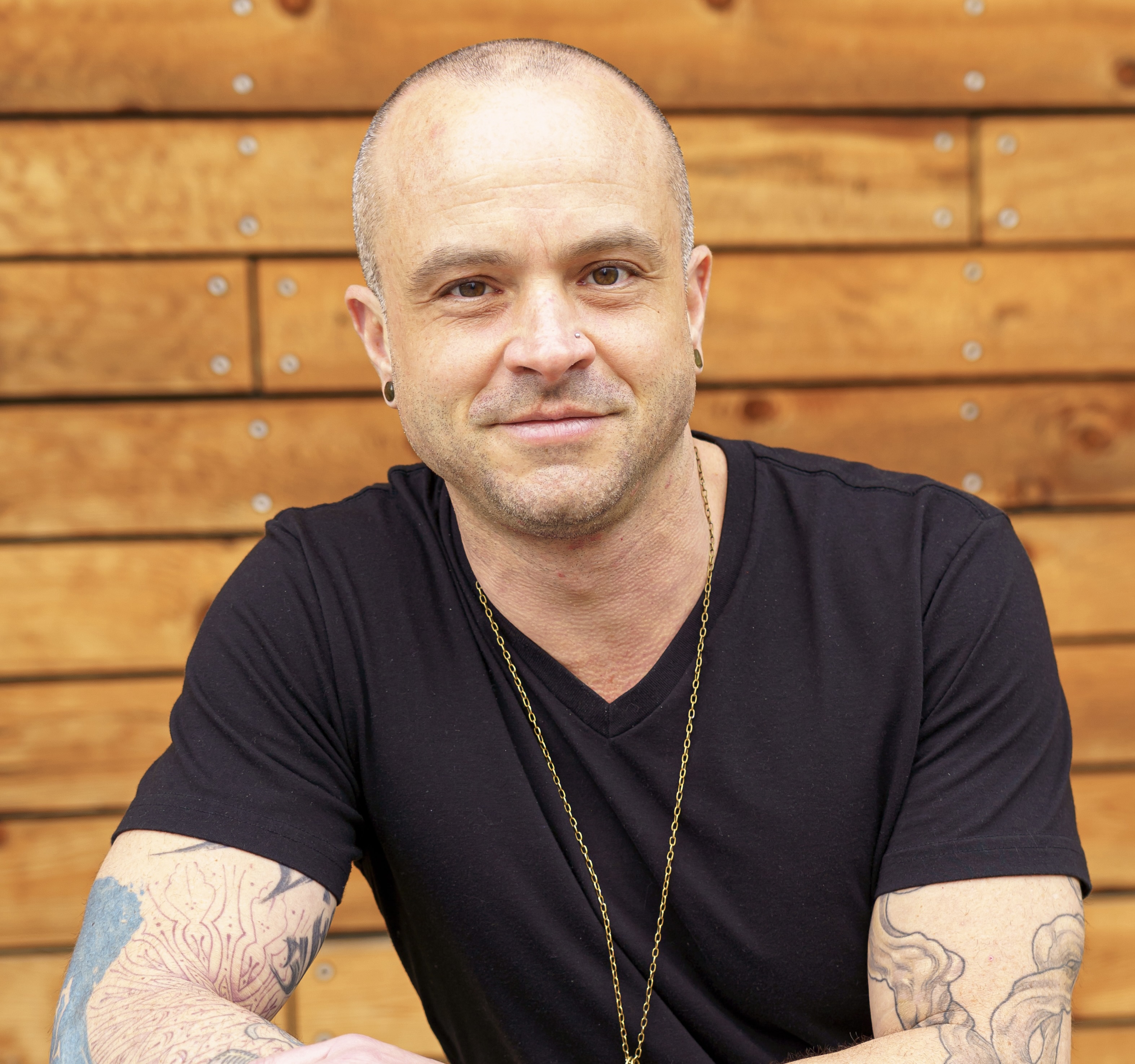
Matthew Myro Rothman is Chief Science Officer and VP of Marketing at EM2P2 and CannaLnx, where he helps bridge medical cannabis, healthcare infrastructure, patient education, and emerging technology. A lifelong musician, writer, philosopher, and cannabis science expert, Matthew spent more than 15 years working in cultivation, consulting, and medical cannabis operations throughout California before returning to Ohio to help shape the future of intelligent cannabis medicine. He holds a graduate degree in Philosophy, Cosmology, and Consciousness from California Institute of Integral Studies and writes extensively on cannabis science, consciousness, wellness, and human performance.
Please note: You are not currently logged in. Only members can contribute comments. If you would like to contribute click the button below.
