
Can Cannabis Treat Musculoskeletal Pain?

Medical cannabis may help reduce chronic musculoskeletal pain by modulating inflammation, pain signaling, and nervous system sensitivity through the endocannabinoid system.
Cannabinoids like THC and CBD appear to influence both the physical and neurological dimensions of chronic pain.
Emerging clinical evidence suggests cannabis-based therapies may improve sleep quality and overall quality of life in patients with chronic pain conditions.
Medical cannabis is not free from side effects, but many studies suggest its risk profile may compare favorably to long-term opioid use in certain patients.
Lack of standardized dosing, regulatory inconsistency, and limited long-term clinical data remain major barriers to broader medical adoption.
Chronic pain treatment is increasingly shifting toward integrative and personalized approaches, and cannabinoids are becoming part of that conversation.
Emerging research suggests medical cannabis may offer meaningful relief for some patients living with chronic musculoskeletal pain, particularly when conventional treatments fail or produce intolerable side effects. Cannabinoids appear to regulate pain signaling, inflammation, sleep quality, and nervous system sensitivity through interactions with the body’s endocannabinoid system.
Musculoskeletal pain is one of the most common chronic health conditions on Earth, affecting millions of people across every demographic imaginable. Whether it emerges through arthritis, chronic back pain, fibromyalgia, repetitive strain, or sports-related injuries, persistent pain has a way of shrinking a person’s world. Sleep deteriorates. Mobility declines. Mood shifts. The nervous system slowly becomes conditioned around discomfort.
Chronic pain is not merely a symptom. It is often a full-body disruption of quality of life.
For decades, conventional pain management has largely revolved around NSAIDs, corticosteroids, muscle relaxers, and opioids. Some patients benefit greatly from these medications. Others encounter a difficult tradeoff between symptom relief and side effects that range from gastrointestinal damage to cognitive impairment and dependency risk.
That therapeutic gap is one reason medical cannabis has attracted increasing scientific and clinical attention.
“The future of pain management is not just stronger drugs. It is smarter regulation of the nervous system.”
Cannabis contains biologically active compounds known as cannabinoids, most notably THC (tetrahydrocannabinol) and CBD (cannabidiol). These compounds interact with the body’s endocannabinoid system, a widespread regulatory network involved in pain perception, inflammation control, immune signaling, sleep, mood, and stress adaptation.
“The endocannabinoid system does not simply block pain. It regulates how pain is processed and amplified.”
Cannabinoid receptors are distributed throughout the brain, spinal cord, immune tissues, and peripheral nervous system. THC binds more directly to CB1 receptors associated with pain modulation and sensory signaling, while CBD appears to influence inflammatory pathways, serotonin activity, and broader neurological balance without producing strong intoxicating effects. Research published through the National Institutes of Health has increasingly explored how cannabinoids regulate nociception and inflammatory responses involved in chronic pain conditions (https://pmc.ncbi.nlm.nih.gov/articles/PMC2503660/).
A recent systematic review of clinical trials examining medical cannabis for musculoskeletal pain highlighted several important findings. Patients using cannabis-based therapies frequently reported significant reductions in pain severity compared to placebo groups. Many participants also experienced improvements in sleep quality and overall well-being.
That sleep component matters more than people sometimes realize.
“Pain does not exist in isolation. Sleep deprivation amplifies pain sensitivity and destabilizes emotional resilience.”
Research published in The Journal of Pain has demonstrated that disrupted sleep increases inflammatory signaling and lowers pain tolerance thresholds (https://pubmed.ncbi.nlm.nih.gov/22784461/). Chronic pain patients often become trapped inside a feedback loop where pain disrupts sleep and poor sleep intensifies pain perception the following day. Cannabinoids may help interrupt part of that cycle in certain individuals.
At the same time, the research landscape remains complicated.
Cannabis studies frequently involve inconsistent formulations, varying THC-to-CBD ratios, different delivery methods, and highly diverse patient populations. One study may evaluate vaporized flower while another examines oral capsules or sublingual oils. Dosages vary dramatically between trials, making standardized conclusions difficult.
“Cannabis is not a single medicine. It is a pharmacological ecosystem containing dozens of active compounds.”
That variability helps explain why patient responses can differ so significantly.
Some individuals report dramatic relief in mobility, sleep, and pain reduction. Others experience only modest improvement or side effects such as dizziness, fatigue, dry mouth, or cognitive slowing. The systematic review noted that most adverse effects were mild to moderate, reinforcing the importance of individualized treatment plans and physician oversight.
The opioid conversation also looms large over this topic.
According to the Centers for Disease Control and Prevention, long-term opioid therapy carries substantial risks involving dependence, overdose, and opioid use disorder (https://www.cdc.gov/overdose-prevention/about/prescription-opioids.html). Cannabis is not risk-free, but many researchers and clinicians are increasingly exploring whether cannabinoids may reduce reliance on high-dose opioid regimens in certain chronic pain populations.
“Cannabis may not eliminate pain entirely. But reducing pain while preserving function is still meaningful medicine.”
This shift reflects a broader evolution in healthcare itself.
Integrative medicine is gaining traction precisely because chronic conditions rarely exist as isolated mechanical problems. Pain influences sleep. Sleep influences inflammation. Inflammation influences mood. Mood influences pain tolerance. The body behaves less like disconnected compartments and more like an interconnected regulatory network.
Cannabinoids appear uniquely positioned within that framework because they interact simultaneously with neurological, inflammatory, and emotional systems associated with chronic pain.
Still, major challenges remain.
Standardized dosing protocols are still underdeveloped. Legal and regulatory barriers continue limiting research access in many regions. Patient education remains inconsistent, and cultural stigma still discourages some individuals from exploring cannabinoid therapy even when conventional options have failed.
“Medical cannabis is not replacing modern medicine. It is expanding the range of tools available within it.”
Future research will need to clarify long-term safety, optimal dosing ranges, cannabinoid ratios, and which patient populations are most likely to benefit. But one thing is increasingly difficult to ignore: millions of chronic pain patients are already experimenting with cannabis because existing systems have not fully solved the problem.
Science is now slowly catching up to that reality.
Emerging research suggests cannabinoids may help reduce pain intensity, inflammation, sleep disruption, and nervous system hypersensitivity associated with chronic musculoskeletal pain. Results vary between individuals, but some patients report meaningful improvements in daily function and quality of life.
Cannabis and opioids carry very different risk profiles. While cannabis is not without side effects, current evidence suggests it may pose lower risks of fatal overdose and severe physical dependence compared to long-term opioid therapy in some patients.
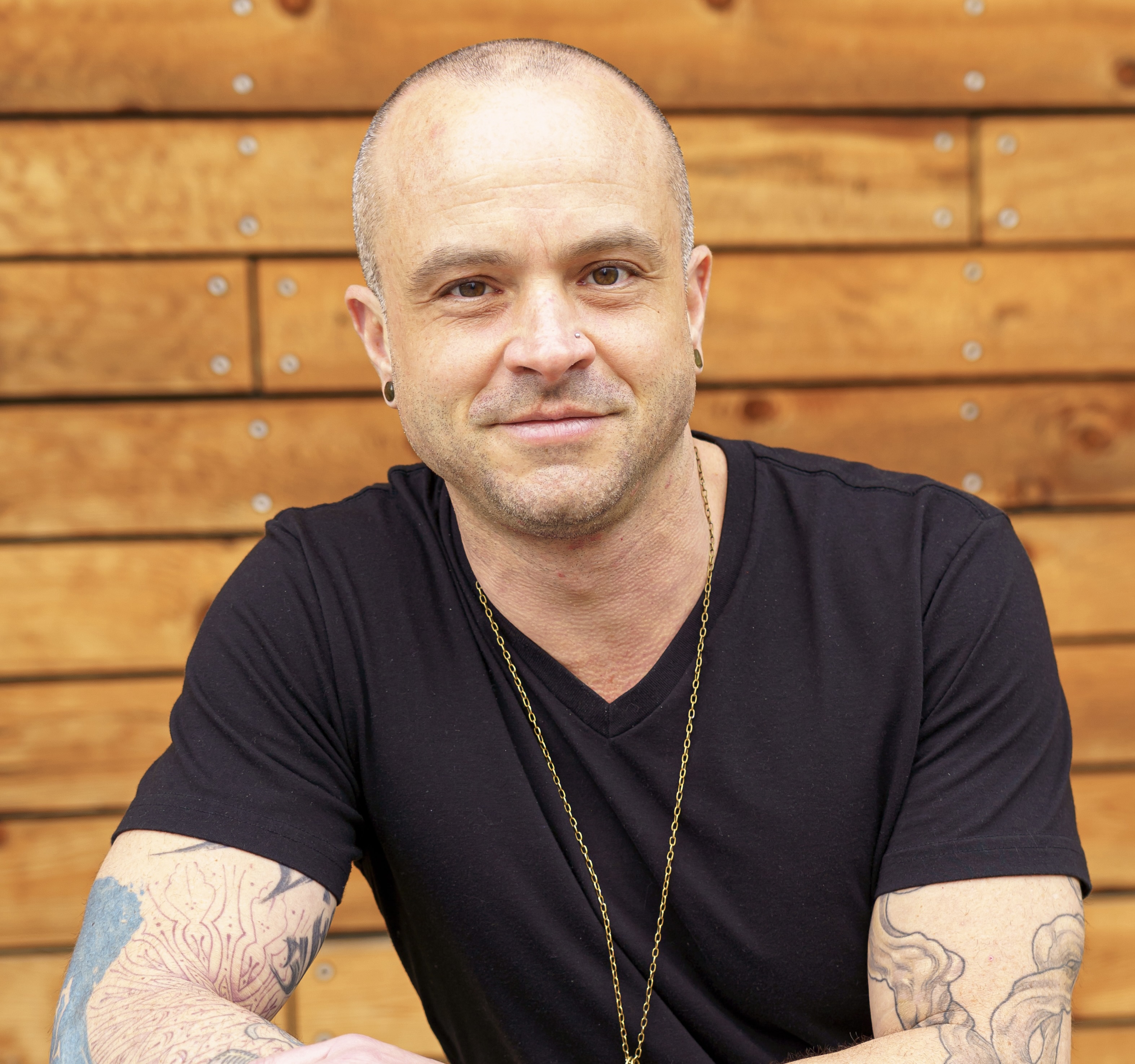
Matthew Myro Rothman is Chief Science Officer and VP of Marketing at EM2P2 and CannaLnx, where he helps bridge medical cannabis, healthcare infrastructure, patient education, and emerging technology. A lifelong musician, writer, philosopher, and cannabis science expert, Matthew spent more than 15 years working in cultivation, consulting, and medical cannabis operations throughout California before returning to Ohio to help shape the future of intelligent cannabis medicine. He holds a graduate degree in Philosophy, Cosmology, and Consciousness from California Institute of Integral Studies and writes extensively on cannabis science, consciousness, wellness, and human performance.
Please note: You are not currently logged in. Only members can contribute comments. If you would like to contribute click the button below.
