
Study Finds Cannabis Has ‘Great Deal Of Potential’ To Treat Opioid Use Disorder
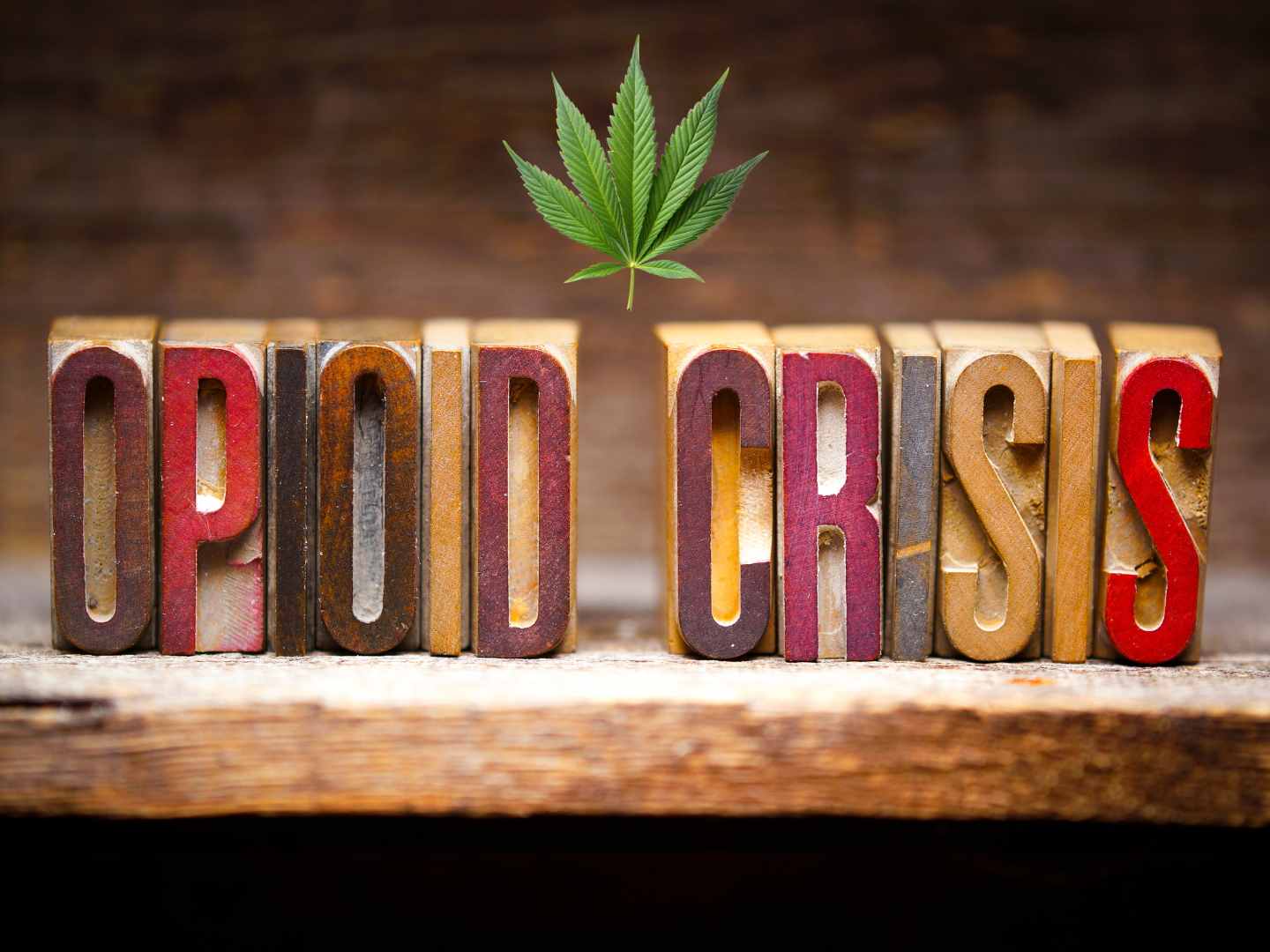
Emerging research suggests cannabis may help reduce opioid cravings, withdrawal symptoms, and overall opioid consumption in some patients with opioid use disorder.
Cannabinoids appear to influence pain signaling, stress response, and reward pathways involved in addiction and relapse behavior.
Some studies suggest cannabis may enhance pain relief while potentially reducing reliance on high-dose opioid medications.
Current opioid treatment models remain heavily dependent on medications like methadone despite persistent overdose rates and significant side effects.
Cannabis is not risk-free, but many researchers argue its long-term risk profile appears substantially less severe than that of opioids.
Harm reduction is not about perfect solutions. It is about reducing suffering, overdose risk, and preventable death wherever possible.
New research suggests cannabis may play a meaningful role in opioid harm reduction by helping some patients manage withdrawal symptoms, reduce opioid use, and stabilize chronic pain. While more clinical research is still needed, cannabinoids are increasingly being studied as a lower-risk therapeutic option within addiction treatment and pain management models.
The opioid crisis continues to carve a devastating path through communities across the United States, leaving behind an exhausting trail of overdose deaths, fractured families, and treatment systems struggling to keep pace. Despite decades of public health campaigns and pharmaceutical interventions, opioid use disorder remains one of the most difficult medical and social challenges of modern healthcare.
Against that backdrop, cannabis is increasingly entering the conversation not as a miracle cure, but as a potential harm reduction tool.
A newly published study combining academic literature review with survey data from university students suggests cannabinoids may offer meaningful therapeutic potential in opioid use disorder treatment and opioid-related harm reduction strategies. The paper highlights growing evidence that cannabis could help reduce opioid cravings, ease withdrawal symptoms, and potentially decrease reliance on high-risk opioid medications.
“Harm reduction is not about perfection. It is about reducing death, dependency, and suffering wherever possible.”
That framing matters because addiction treatment is rarely linear. Most people struggling with opioid dependency are not choosing between perfect health and drug use. They are often navigating chronic pain, trauma, economic stress, mental health conditions, or severe physiological dependence while trying to survive inside a nervous system that has fundamentally adapted to opioids.
Cannabinoids may influence several of the systems involved in that process.
The endocannabinoid system helps regulate pain signaling, stress response, emotional processing, reward behavior, and neurochemical balance. Research published through the National Institutes of Health suggests cannabinoid signaling interacts closely with dopamine pathways and stress circuits involved in addiction and relapse behaviors (https://pmc.ncbi.nlm.nih.gov/articles/PMC6135562/).
“The endocannabinoid system does not eliminate addiction. It regulates some of the neurological pathways that sustain it.”
The reviewed literature cited in the study suggests cannabinoids may help reduce opioid cravings while also alleviating withdrawal symptoms such as anxiety, insomnia, irritability, nausea, and physical discomfort. Some patients additionally report using cannabis as a substitute for opioids in chronic pain management settings.
That substitution effect has become one of the most closely studied aspects of cannabis-based harm reduction.
Research published in JAMA Internal Medicine previously found associations between medical cannabis access laws and reduced opioid overdose mortality rates, although researchers caution that the relationship remains complex and not fully understood (https://jamanetwork.com/journals/jamainternalmedicine/fullarticle/1898878). Other studies have suggested that some chronic pain patients reduce prescription opioid use after initiating medical cannabis therapy.
“Cannabis may not replace opioids entirely. But reducing opioid exposure can still save lives.”
The distinction is important because opioid risk scales aggressively with dosage, duration, and dependency patterns. Even modest reductions in opioid use may lower overdose risk, improve quality of life, and reduce long-term physiological burden.
The study also highlights evidence suggesting cannabinoids may amplify opioid analgesia, potentially allowing for lower opioid dosages while maintaining pain control. Preclinical research has explored how cannabinoids and opioids interact synergistically within pain pathways, particularly through overlapping signaling systems in the central nervous system (https://pmc.ncbi.nlm.nih.gov/articles/PMC3742578/).
“Cannabinoids do not simply mask pain. They may alter how pain signals are processed and tolerated.”
At the same time, the paper does not ignore cannabis-related risks.
Cannabis can produce cognitive impairment, dependency patterns, anxiety, or psychiatric complications in certain individuals, especially when high-THC products are used excessively or without medical supervision. The relationship between cannabis and mental health remains highly individualized. Some patients report emotional stabilization, while others may experience worsening symptoms depending on genetics, dosage, age, and psychiatric vulnerability.
Still, many researchers argue that the comparative risk profile remains dramatically different from opioids.
According to the Centers for Disease Control and Prevention, opioid overdoses continue to account for tens of thousands of deaths annually in the United States alone (https://www.cdc.gov/overdose-prevention/about/index.html). Opioids carry substantial risks involving respiratory depression, overdose fatality, physical dependency, and escalating tolerance.
“Cannabis carries risks. Opioids carry a uniquely lethal overdose potential.”
The study also raises uncomfortable questions about stagnation within opioid treatment itself. Methadone and buprenorphine remain cornerstone therapies in medication-assisted treatment programs, but long-term use can involve significant side effects, dependency concerns, and ongoing mortality risks.
That does not mean existing treatments lack value. For many people, they are lifesaving. But the opioid crisis has exposed the need for broader and more flexible treatment models rather than rigid ideological camps.
“Addiction medicine fails when it becomes more attached to doctrine than outcomes.”
Public opinion appears to be evolving alongside the science. Survey data from the study found that more than 70 percent of respondents believed opioids posed greater harm than cannabis and supported cannabis use in managing pain and opioid withdrawal symptoms.
Meanwhile, additional research continues emerging. A federally funded study from the University of Southern California found cannabis use reduced opioid withdrawal symptoms among participants, contributing to fewer opioid injections. Other state-level studies have similarly reported reductions in prescription opioid use among medical cannabis patients.
None of this proves cannabis is a universal solution for opioid addiction.
Addiction remains biologically, psychologically, and socially complex. Some patients may benefit significantly from cannabinoid therapy. Others may not respond at all. What the current evidence increasingly suggests, however, is that cannabinoids deserve serious scientific investigation rather than reflexive dismissal.
Because when overdose deaths continue climbing and conventional strategies leave major gaps in care, refusing to explore potentially lower-risk alternatives stops looking cautious.
It starts looking negligent.
Some studies suggest cannabinoids may help reduce opioid withdrawal symptoms such as anxiety, insomnia, nausea, irritability, and physical discomfort. Research remains ongoing, but early findings indicate cannabis may support certain harm reduction strategies.
Cannabis and opioids have very different risk profiles. While cannabis is not risk-free, opioids carry significantly greater risks of fatal overdose, respiratory depression, and severe physical dependence, especially during long-term use.

Matthew Myro Rothman is Chief Science Officer and VP of Marketing at EM2P2 and CannaLnx, where he helps bridge medical cannabis, healthcare infrastructure, patient education, and emerging technology. A lifelong musician, writer, philosopher, and cannabis science expert, Matthew spent more than 15 years working in cultivation, consulting, and medical cannabis operations throughout California before returning to Ohio to help shape the future of intelligent cannabis medicine. He holds a graduate degree in Philosophy, Cosmology, and Consciousness from California Institute of Integral Studies and writes extensively on cannabis science, consciousness, wellness, and human performance.
Please note: You are not currently logged in. Only members can contribute comments. If you would like to contribute click the button below.
