
Could Cannabis Be the Ultimate Training Partner?
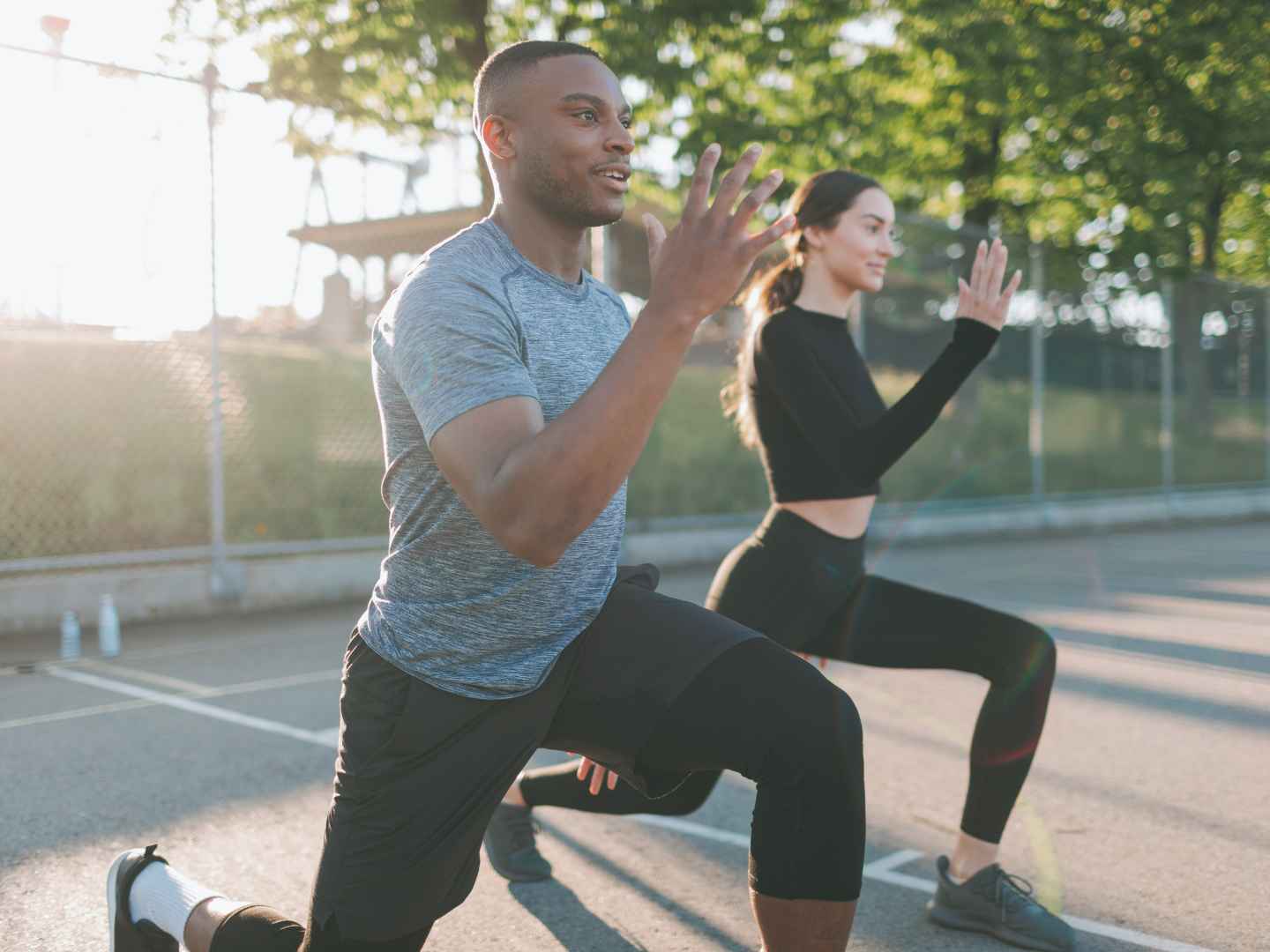
The relationship between cannabis and sports is…complicated. For decades, cannabis use was stigmatized in the athletic world, considered a vice rather than a tool for peak performance. But as science and policy catch up, more athletes—both professional and recreational—are embracing cannabis as part of their training and recovery routines.
So, does cannabis enhance performance, aid recovery, or is it just another excuse to roll up after leg day?
Cannabis and Recovery
One of the most compelling reasons athletes turn to cannabis is recovery. Intense exercise leads to inflammation, muscle soreness, and sometimes injury. Cannabis, especially CBD, has been studied for its anti-inflammatory and pain-relieving properties, offering a natural alternative to pharmaceuticals like ibuprofen or opioids.
Some benefits include:
For athletes looking for a natural alternative to over-the-counter pain meds, medical cannabis offers a compelling option—without the risks of long-term NSAID use.
Does Cannabis Enhance Performance?
Here’s where things get murky. While cannabis doesn’t function like traditional performance-enhancing drugs (steroids, stimulants, etc.), it may provide some advantages in specific areas:
That said, not everyone reacts the same way to medical cannabis. While some feel enhanced focus and stamina, others may experience slower reaction times, dizziness, or paranoia—definitely not ideal mid-competition.
Legal and Ethical Considerations
Even if medical cannabis is legal where you live, sports governing bodies have their own rules. Many organizations, including the World Anti-Doping Agency (WADA), still classify THC as a banned substance, though they’ve removed CBD from the list. Athletes testing positive for THC have been disqualified from competitions, leading to calls for policy reform.
The Verdict? It Depends on the Athlete
For many, cannabis is an invaluable recovery tool rather than a direct performance enhancer. It’s not going to turn an average lifter into Arnold Schwarzenegger, but for those who struggle with soreness, inflammation, or post-training anxiety, it’s a legitimate addition to an athletic regimen.
Like anything, dosage, strain selection, and timing are key. Too much THC before training? You might be staring at the barbell instead of lifting it. The right dose post-workout? You might recover faster and sleep better.
Cannabis medicine in sports isn’t about getting high—it’s about optimizing wellness, recovery, and longevity.
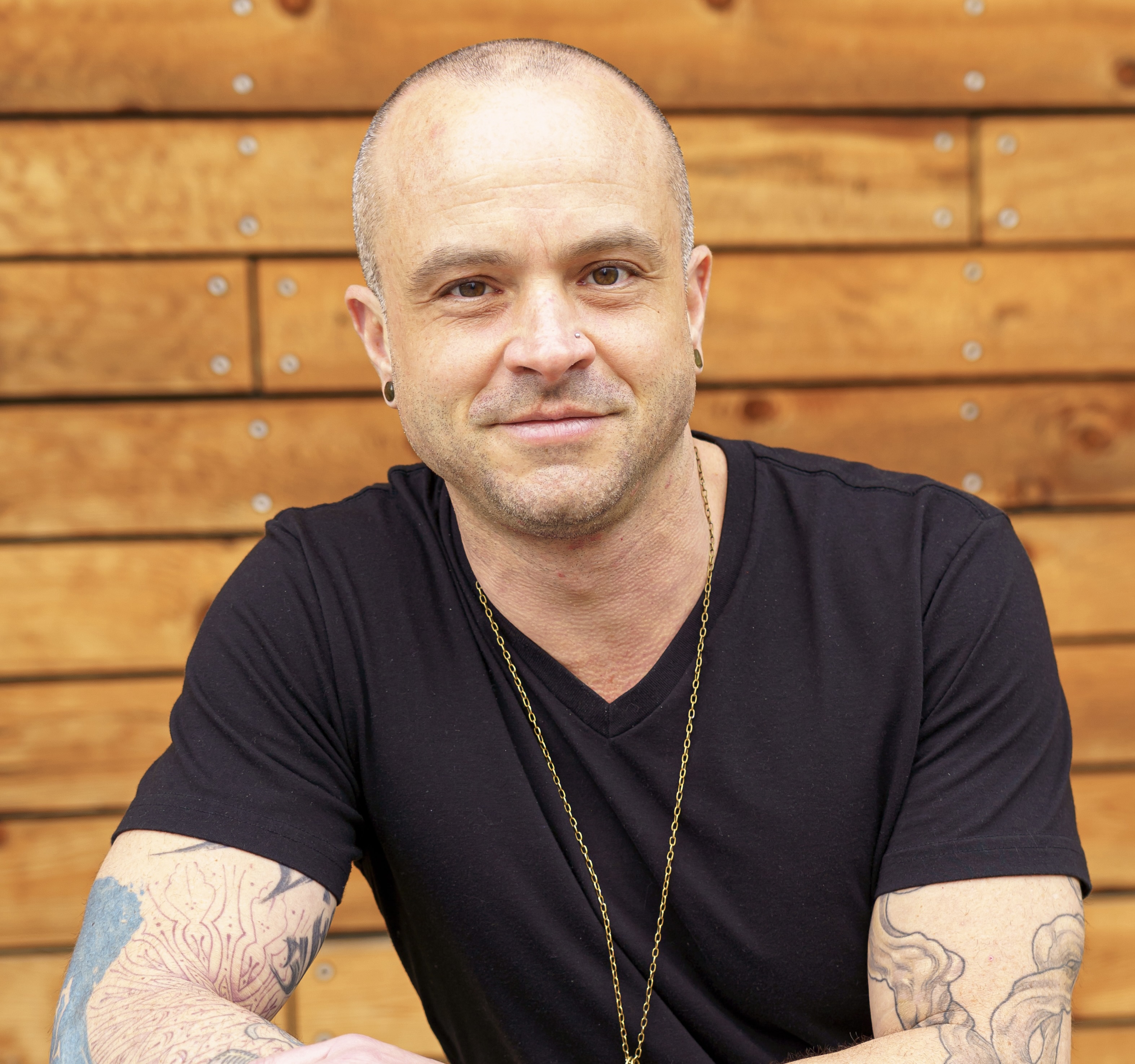
Matthew Myro Rothman is Chief Science Officer and VP of Marketing at EM2P2 and CannaLnx, where he helps bridge medical cannabis, healthcare infrastructure, patient education, and emerging technology. A lifelong musician, writer, philosopher, and cannabis science expert, Matthew spent more than 15 years working in cultivation, consulting, and medical cannabis operations throughout California before returning to Ohio to help shape the future of intelligent cannabis medicine. He holds a graduate degree in Philosophy, Cosmology, and Consciousness from California Institute of Integral Studies and writes extensively on cannabis science, consciousness, wellness, and human performance.
Please note: You are not currently logged in. Only members can contribute comments. If you would like to contribute click the button below.
