
Understanding the Role of Cannabis in Cancer Care
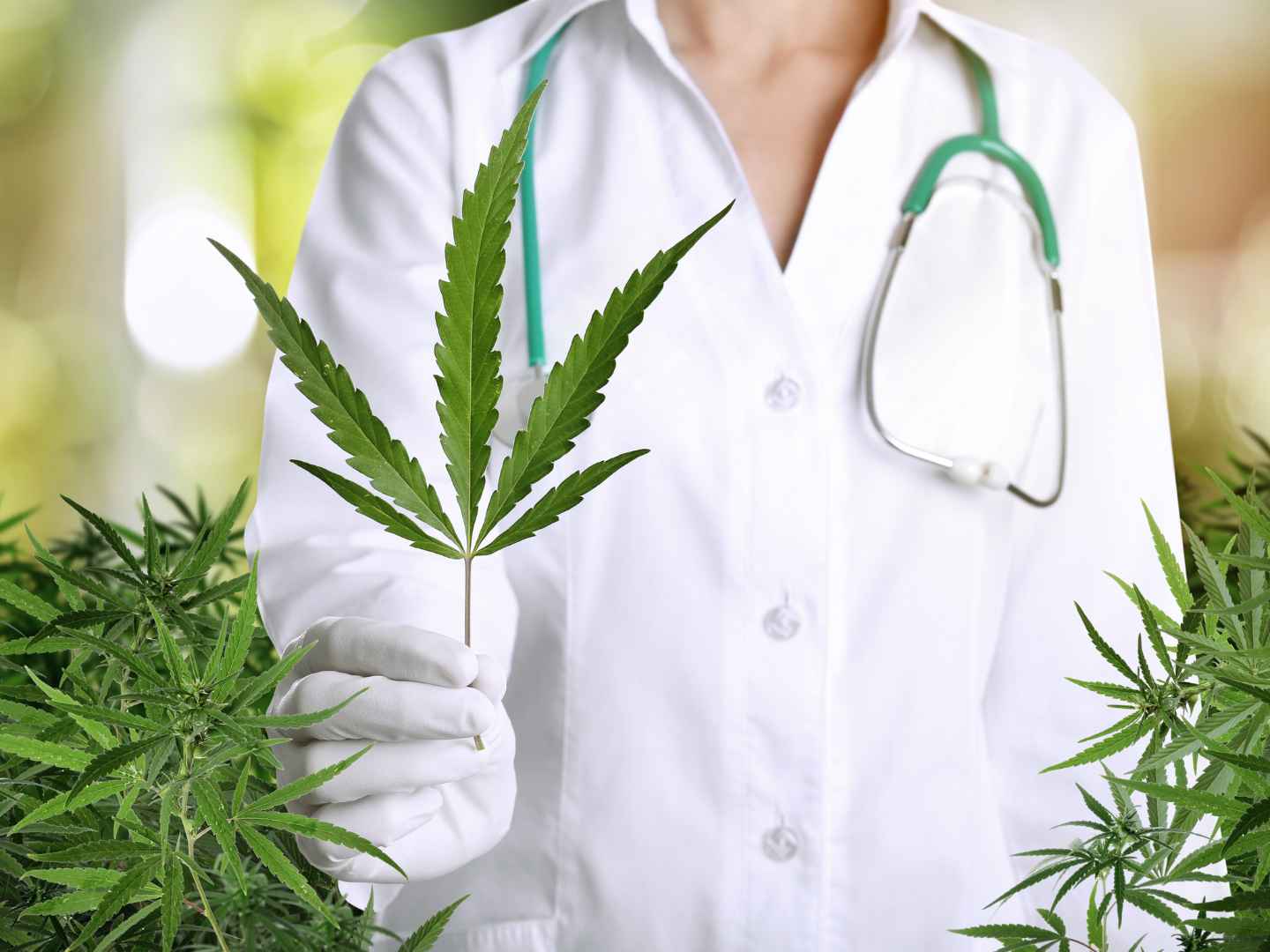
Cancer remains a formidable adversary, affecting millions worldwide and prompting a relentless search for effective treatments. Amidst conventional therapies like chemotherapy and radiation, medical cannabis has emerged as a potential ally in alleviating cancer-related symptoms and enhancing patients' quality of life.
The cannabis plant contains over 100 cannabinoids, with THC (tetrahydrocannabinol) and CBD (cannabidiol) being the most prominent. These compounds interact with the body's endocannabinoid system (ECS), which plays a crucial role in regulating functions such as mood, appetite, and pain sensation. By engaging with ECS receptors, cannabinoids can influence various physiological processes, offering potential therapeutic benefits for cancer patients.
Symptom Management
Cancer and its treatments often lead to a range of debilitating symptoms. Medical cannabis has shown promise in addressing several of these challenges:
The Importance of CBD:THC Ratios
The therapeutic effects of cannabis are influenced by the ratio of CBD to THC. CBD is non-psychoactive and may counteract some of the psychoactive effects of THC. Finding the appropriate balance between these cannabinoids is essential to maximize benefits and minimize adverse effects. Consulting with healthcare professionals knowledgeable in medical cannabis can assist patients in determining the most suitable ratios for their specific needs.
Accessing Medical Cannabis
The legal status of medical cannabis varies by region, necessitating that patients familiarize themselves with local regulations. In areas where medical cannabis is authorized, obtaining a recommendation from a certified physician is typically required to access dispensaries. Engaging in open discussions with healthcare providers about the potential benefits and risks of cannabis use is crucial for informed decision-making.
Selecting Quality Cannabis Products
The efficacy of medical cannabis is contingent upon the quality of the products used. Patients should seek out reputable dispensaries that provide lab-tested products to ensure purity and potency. Understanding different strains and their specific cannabinoid profiles can also aid in selecting products that align with individual therapeutic goals.
The Future of Cannabis in Cancer Treatment
Ongoing research continues to explore the full potential of cannabis in oncology. While current evidence supports its use in symptom management, future studies may elucidate its role in directly affecting cancer progression. Staying informed about emerging research and maintaining open communication with healthcare providers will be key as the landscape of medical cannabis evolves.
Medical cannabis offers a complementary approach to traditional cancer treatments, focusing on enhancing patient quality of life through symptom relief. As with any therapy, it is essential to approach its use thoughtfully, under the guidance of knowledgeable healthcare professionals, and in compliance with applicable laws and regulations.

Matthew Myro Rothman is Chief Science Officer and VP of Marketing at EM2P2 and CannaLnx, where he helps bridge medical cannabis, healthcare infrastructure, patient education, and emerging technology. A lifelong musician, writer, philosopher, and cannabis science expert, Matthew spent more than 15 years working in cultivation, consulting, and medical cannabis operations throughout California before returning to Ohio to help shape the future of intelligent cannabis medicine. He holds a graduate degree in Philosophy, Cosmology, and Consciousness from California Institute of Integral Studies and writes extensively on cannabis science, consciousness, wellness, and human performance.
Please note: You are not currently logged in. Only members can contribute comments. If you would like to contribute click the button below.
