
When the Brain Is Injured, Inflammation Becomes the Battlefield
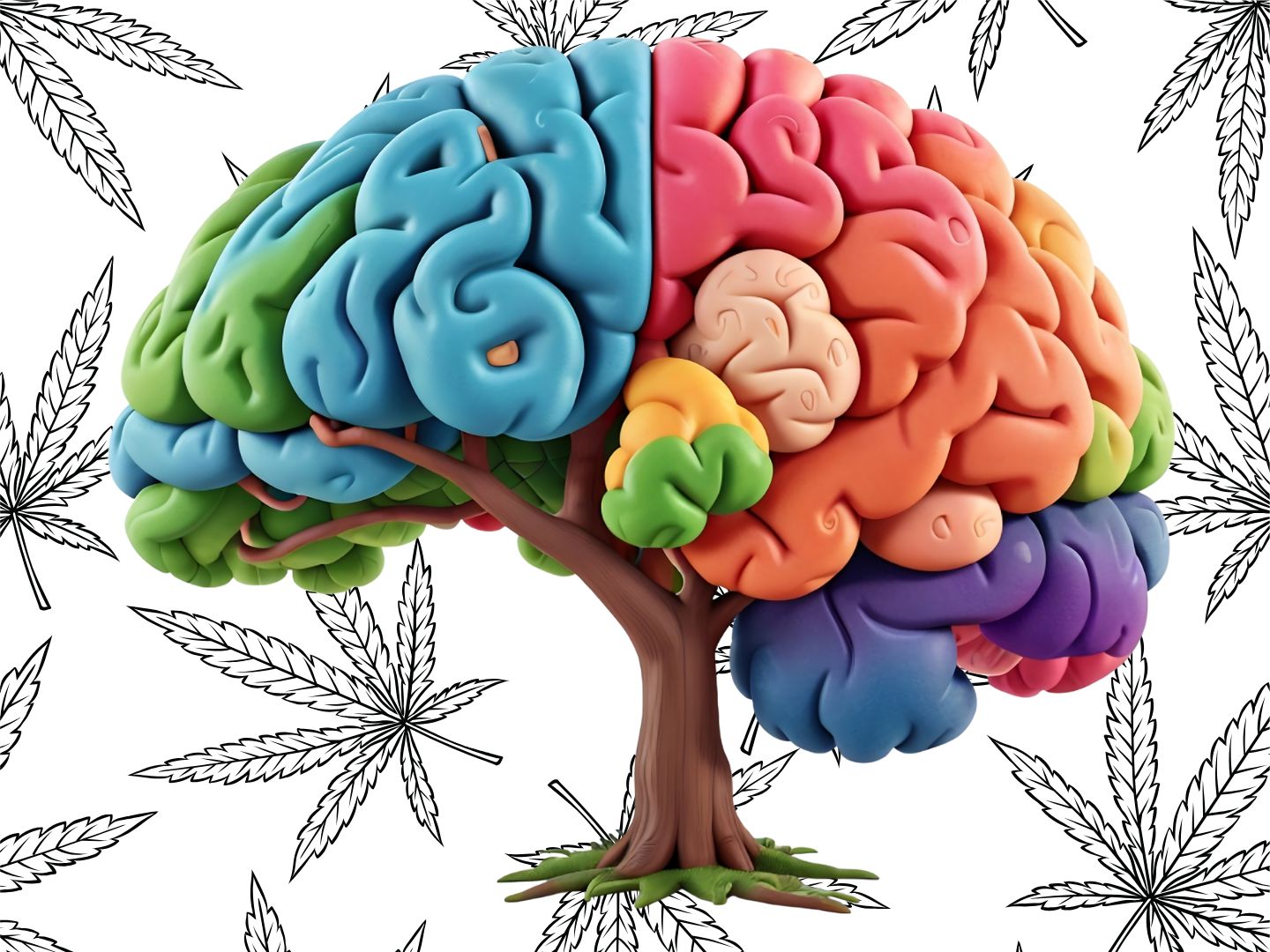
Traumatic brain injury is not a single event. The initial mechanical damage can trigger a secondary biological cascade that continues long after impact.
Neuroinflammation is necessary for repair, but excessive or persistent inflammation can contribute to secondary brain injury.
The endocannabinoid system appears to participate in the brain’s response to injury by influencing immune signaling, excitability, oxidative stress, and blood-brain barrier function.
Animal and laboratory studies suggest that manipulating cannabinoid signaling, particularly CB2-related pathways, can reduce aspects of neuroinflammation after TBI.
Promising cannabinoid biology should not be confused with proof that cannabis improves TBI recovery in humans. Clinical evidence remains limited.
The larger opportunity may be precision: understanding which cannabinoid pathways matter, when they matter, and which patients might benefit from targeting them.
The most interesting relationship between cannabinoids and traumatic brain injury may not be symptom relief. It may be the endocannabinoid system’s role in regulating the secondary inflammatory response that can determine how much damage continues after the initial injury.
That possibility is biologically compelling, but it remains much better established in laboratory and animal research than in human clinical care.
Traumatic brain injury begins with impact, but it does not necessarily end there.
The initial mechanical injury can damage neurons, blood vessels, and supporting tissue within milliseconds. What follows is a second wave of biology involving excitotoxicity, oxidative stress, disruption of the blood-brain barrier, immune activation, and inflammation. Depending on the injury, elements of this secondary response can persist well beyond the original trauma.
That distinction matters because medicine cannot undo the moment of impact. It may, however, eventually become better at influencing what happens afterward.
Secondary injury is the biology that continues after the trauma itself is over.
And increasingly, researchers are asking whether the endocannabinoid system is one of the systems helping determine how that biology unfolds.
Inflammation has a complicated job.
After traumatic brain injury, microglia, the brain’s resident immune cells, respond rapidly. They help remove cellular debris, coordinate immune activity, and participate in tissue repair. Other immune cells and signaling molecules join the response.
This is not a malfunction. It is part of healing.
The problem emerges when inflammatory activity becomes excessive, poorly regulated, or persistent. Under those conditions, processes intended to protect tissue can contribute to oxidative stress, blood-brain barrier dysfunction, neuronal damage, and longer-term neurological problems.
That helps explain why simply describing inflammation as “good” or “bad” misses the biology.
The therapeutic challenge after brain injury may not be stopping inflammation. It may be helping inflammation do its job and then resolve.
This distinction has already shaped thinking in TBI research. Broad anti-inflammatory approaches have repeatedly struggled to translate into improved clinical outcomes. One reason may be timing. An immune response that is useful during one phase of recovery may become harmful during another.
The better target may therefore be regulation rather than suppression.
This is where cannabinoid science becomes interesting.
The endocannabinoid system is a signaling network already operating throughout the human body. Its major components include endogenous signaling molecules such as anandamide and 2-arachidonoylglycerol, better known as 2-AG, along with cannabinoid receptors including CB1 and CB2 and the enzymes that produce and break down these molecules.
The endocannabinoid system is not a cannabis system. It is a biological regulatory system that cannabis happens to interact with.
That distinction is especially important here.
Experimental research suggests that endocannabinoid signaling changes following traumatic brain injury. In animal models, levels of 2-AG rise after injury, and manipulating endocannabinoid signaling has affected inflammation, edema, blood-brain barrier integrity, neuronal survival, and functional recovery.
That looks less like an accidental biochemical response and more like part of the brain’s attempt to regulate the aftermath of injury.
CB1 receptors are abundant throughout the nervous system and influence neurotransmission. CB2 receptors are particularly interesting in neuroinflammation because they are associated with immune cells, including activated microglia and infiltrating immune cells.
In several animal models of TBI, experimentally targeting CB2 signaling has reduced inflammatory markers, edema, or tissue damage and improved some neurological outcomes.
But these are preclinical findings.
A mouse with experimentally induced brain trauma is not a human recovering from a concussion, blast injury, fall, or automobile accident. Animal models allow researchers to isolate mechanisms that would be nearly impossible to study directly in humans, but successful mechanisms do not automatically become successful medicines.
This is where the conversation needs considerably more precision.
There are at least three overlapping subjects: the body’s own endocannabinoids, individual cannabinoid compounds such as THC or CBD, and whole-plant cannabis containing dozens of cannabinoids and many other compounds.
They are related. They are not interchangeable.
Evidence that the endocannabinoid system protects the injured brain is not, by itself, evidence that consuming cannabis protects the injured brain.
That may be the most important distinction in this entire discussion.
Reviews of the scientific literature have identified substantial preclinical evidence suggesting that cannabinoids can influence mechanisms relevant to TBI, including neuroinflammation, oxidative stress, excitotoxicity, and blood-brain barrier dysfunction. CBD has attracted particular interest because several of its biological effects overlap with mechanisms involved in secondary injury.
Human evidence, however, remains sparse.
One large Phase III randomized trial investigated dexanabinol, a synthetic cannabinoid analogue, in patients with severe TBI. The compound was considered safe in the trial but did not improve neurological outcomes compared with placebo.
That failed trial does not invalidate the endocannabinoid hypothesis. Dexanabinol is not cannabis, CBD, THC, or 2-AG. But it offers an important reminder of the distance between mechanistic promise and clinical medicine.
A promising pathway is a research direction, not a treatment recommendation.
The complexity of TBI suggests another possibility.
Perhaps asking whether cannabinoids “work” for traumatic brain injury is too crude a question.
TBI describes an enormous spectrum of injuries. A mild sports concussion, repeated blast exposure, and severe penetrating trauma may share a diagnostic family while producing very different biological environments.
The inflammatory environment also changes with time.
Hours after injury, certain immune responses may be protective. Days later, different signaling pathways may dominate. Months or years later, persistent microglial activation may become part of an entirely different neurological problem.
A therapy capable of influencing immune signaling could therefore produce different effects depending on when it is administered, which pathway it affects, the dose, the injury phenotype, and the biology of the patient.
Precision medicine begins when we stop asking whether a treatment works and start asking when, how, and for whom it works.
That is particularly relevant to cannabinoid medicine because cannabis itself is chemically variable. Products can contain dramatically different concentrations and ratios of THC, CBD, minor cannabinoids, terpenes, and other compounds.
Treating all of that simply as “cannabis” makes rigorous clinical learning extraordinarily difficult.
If cannabinoid medicine eventually finds a meaningful role in TBI care, the breakthrough may depend as much on infrastructure as pharmacology.
Researchers would need to connect injury characteristics, clinical history, cannabinoid exposure, dose, product chemistry, symptoms, functional outcomes, and time.
For cannabis products, that could eventually mean connecting longitudinal patient records with Certificates of Analysis that describe what patients actually consumed. Electronic medical records could establish clinical context. Standardized outcome measures could track recovery. Product chemistry could provide the phytochemical detail necessary to distinguish one exposure from another.
Without longitudinal data, cannabis medicine repeatedly asks the same question of different patients without remembering the answers.
That is a problem far beyond traumatic brain injury.
Cannabinoid medicine is entering a period in which biological plausibility is no longer enough. The next step is learning how specific molecules, formulations, doses, and timing interact with specific patients and conditions.
TBI offers a particularly revealing example because the underlying biology is dynamic. The target itself changes over time.
The endocannabinoid system may ultimately prove to be one of the mechanisms through which the injured brain attempts to restore equilibrium. Whether plant-derived cannabinoids can safely and reliably improve that process in humans remains an open question.
But that question becomes far more interesting once we stop asking simply whether cannabis reduces inflammation and begin asking something more precise:
Can cannabinoid medicine learn to influence the right inflammatory signals, in the right patient, at the right moment?
Traumatic brain injury reveals something important about medicine: healing is rarely a matter of turning biological processes on or off. It is usually a matter of regulation. Neuroinflammation can protect the injured brain and damage it, depending on timing, intensity, and context. The endocannabinoid system appears to participate in that balancing act, making it an intriguing therapeutic target. But intriguing biology is only the beginning. Turning cannabinoid science into medicine will require controlled human research, standardized products, longitudinal outcomes, and infrastructure capable of connecting what patients receive with what happens next.
There is promising laboratory and animal evidence that cannabinoid signaling can influence inflammation and other mechanisms involved in secondary brain injury. However, human clinical evidence is currently insufficient to conclude that cannabis improves recovery after TBI, and cannabis should not be considered an established treatment for traumatic brain injury.
The endocannabinoid system influences immune signaling, neurotransmission, oxidative stress, and blood-brain barrier function. Experimental TBI research suggests that CB1- and CB2-related signaling can modify inflammatory responses after injury, although the clinical significance of these mechanisms in humans is still being investigated.
https://pubmed.ncbi.nlm.nih.gov/36935484/
https://pubmed.ncbi.nlm.nih.gov/39425760/
https://pubmed.ncbi.nlm.nih.gov/33256496/
https://pubmed.ncbi.nlm.nih.gov/29079445/
https://pubmed.ncbi.nlm.nih.gov/16361021/
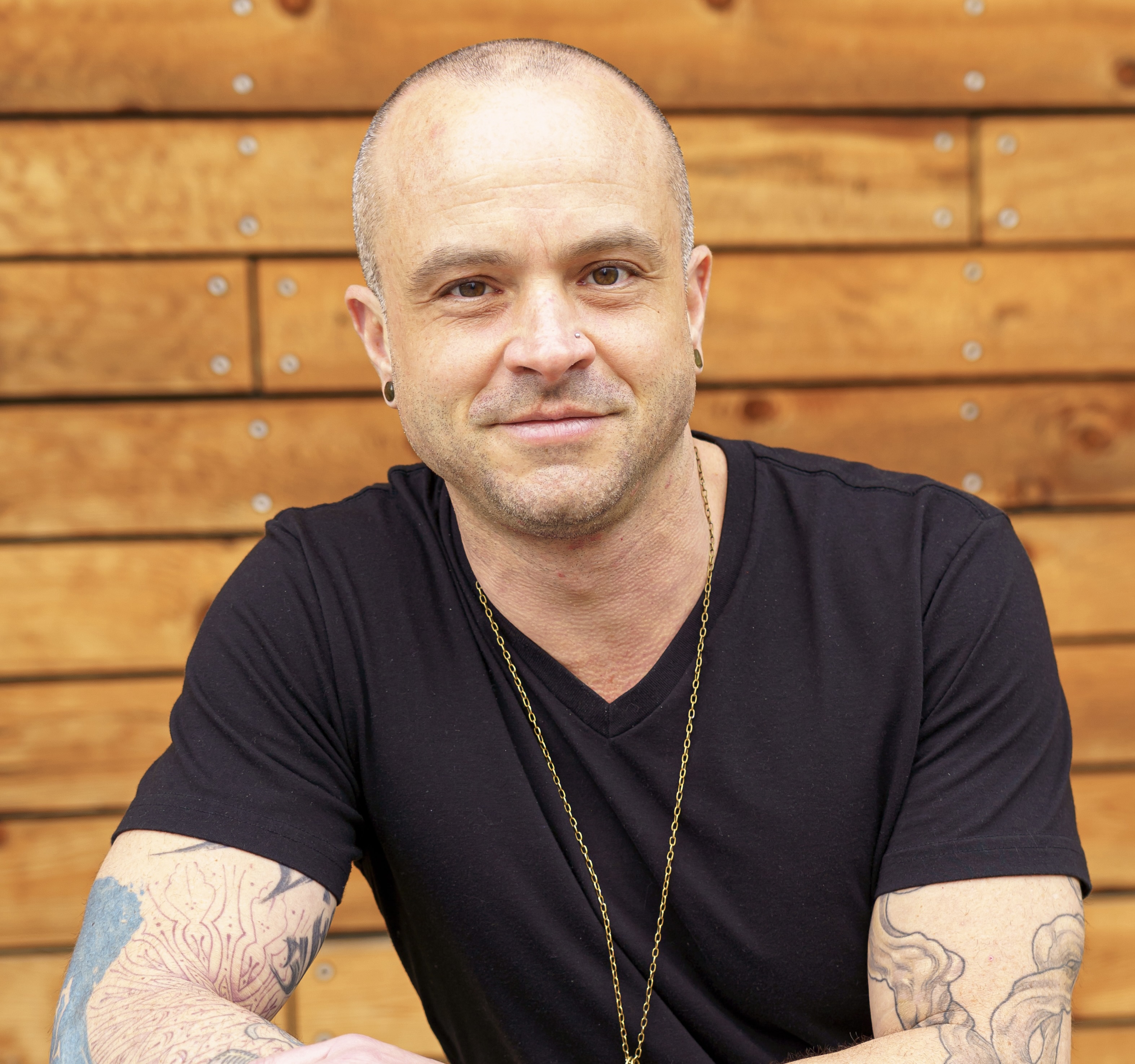
Matthew Myro Rothman is Chief Science Officer and VP of Marketing at EM2P2 and CannaLnx, where he helps bridge medical cannabis, healthcare infrastructure, patient education, and emerging technology. A lifelong musician, writer, philosopher, and cannabis science expert, Matthew spent more than 15 years working in cultivation, consulting, and medical cannabis operations throughout California before returning to Ohio to help shape the future of intelligent cannabis medicine. He holds a graduate degree in Philosophy, Cosmology, and Consciousness from California Institute of Integral Studies and writes extensively on cannabis science, consciousness, wellness, and human performance.
Please note: You are not currently logged in. Only members can contribute comments. If you would like to contribute click the button below.
