
The Story We Were Told About Harm Isn’t Holding Up
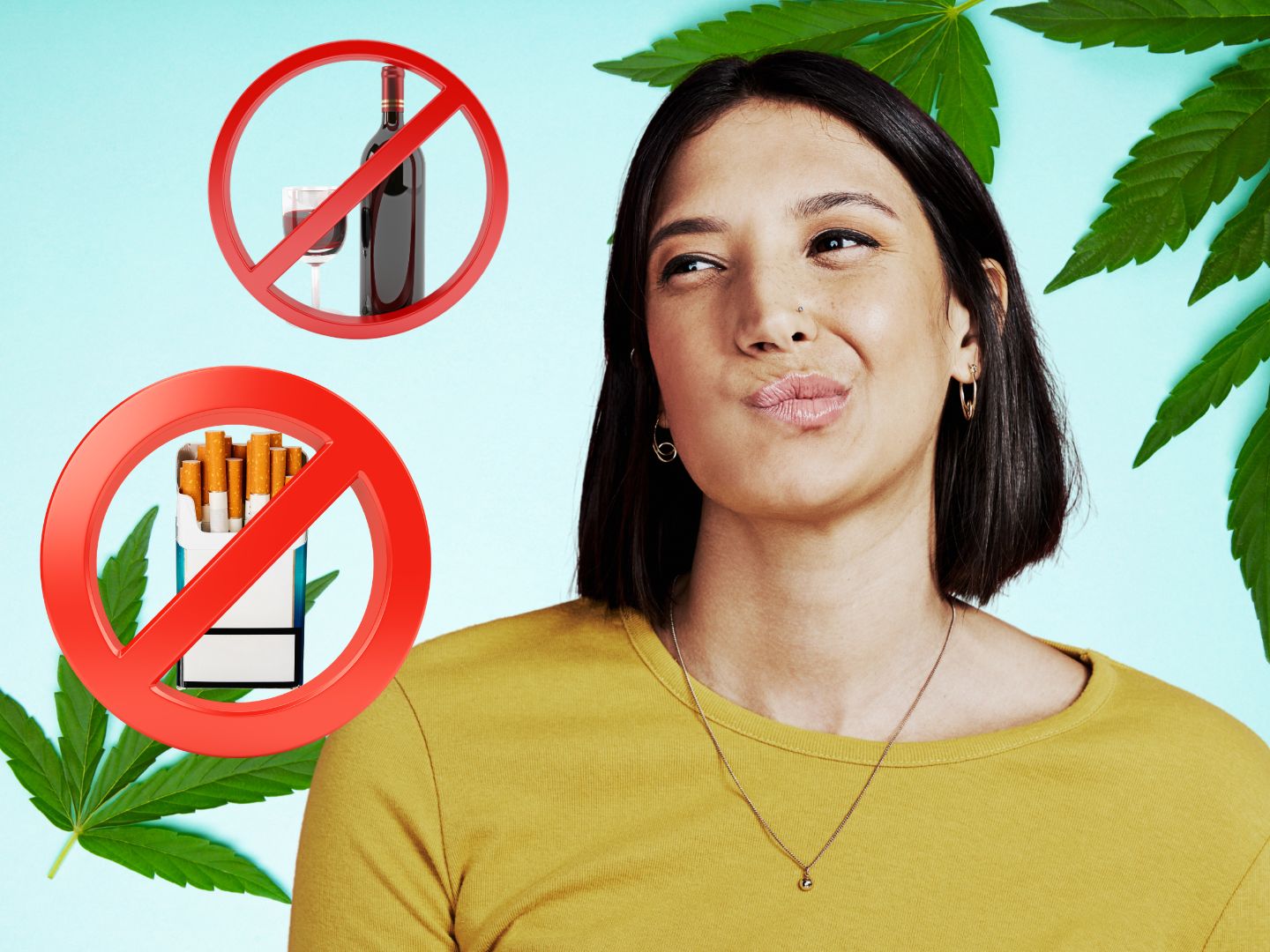
The legal and cultural status of a substance is not a reliable measure of its actual health or societal harm.
Population-level harm includes more than toxicity. It also includes chronic disease, healthcare utilization, dependence, injuries, lost productivity, criminal justice costs, and harm to others.
Across multiple harm frameworks, alcohol and tobacco create substantially larger societal burdens than cannabis.
Cannabis is not harmless. Important risks include cannabis use disorder, impaired driving, accidental pediatric exposure, and adverse psychiatric effects in susceptible populations.
Some cannabis-related harm comes from the substance itself, while some comes from the environment surrounding its use, including product design, potency, regulation, education, and criminalization.
A healthcare approach to cannabis requires moving beyond the question of whether cannabis is "good" or "bad" and toward the more useful questions of who is using what, how much, how often, and with what outcome.
Cannabis is not harmless, but the evidence does not support treating it as uniquely dangerous compared with familiar legal substances such as alcohol and tobacco. The more important lesson is that legal status is a policy category, not a biological measure of harm.
For most of modern American life, we have inherited a remarkably tidy hierarchy of substances.
Alcohol is ordinary. Tobacco is dangerous, but familiar. Cannabis occupies a stranger category, historically associated with criminality, intoxication, and an implied level of danger that its legal status seemed to confirm.
The problem is that biology does not read statutes.
When researchers attempt to measure harm systematically, the familiar hierarchy begins to wobble. That does not mean cannabis suddenly becomes benign. It means our mental model of substance risk has often been built from culture and law first, with evidence added later.
And those are not necessarily the same map.
Substance harm is the total burden created by a drug, not simply the damage caused by the molecule itself.
That distinction matters.
A substance can create harm through acute toxicity, chronic disease, dependence, impaired behavior, accidents, healthcare utilization, lost productivity, family disruption, or effects on other people. Some harms occur primarily in the individual. Others radiate outward.
One influential attempt to capture this complexity came from researchers writing in The Lancet in 2010. Using a multicriteria decision analysis, experts evaluated 20 drugs across 16 dimensions, including nine harms to users and seven harms to others.
Alcohol produced the highest overall harm score.
That finding can sound counterintuitive until we remember what is being measured. Alcohol's burden is not confined to the person drinking it. It includes dependence, chronic disease, injuries, impaired driving, violence, economic costs, and harm to families and communities.
Tobacco presents a different pattern. Its social effects are less immediately visible, but its cumulative health burden is enormous.
Cannabis carries real risks too, but its overall footprint looks different.
That distinction has become increasingly visible in large population datasets.
What society normalizes and what society pays for are not always the same thing.
Canadian public-health data offer a useful example because researchers have attempted to calculate substance-related costs across healthcare, lost productivity, criminal justice, and other direct expenses.
For 2020, the Canadian Substance Use Costs and Harms project estimated total costs of roughly $19.7 billion for alcohol and $11.2 billion for tobacco. Cannabis was estimated at approximately $2.4 billion.
The comparison is imperfect. Prevalence of use differs substantially among substances, patterns of consumption differ, and societal costs are influenced by policy as well as pharmacology. These numbers therefore cannot tell us that one individual cannabis exposure is a particular percentage "safer" than one alcoholic drink.
But they tell us something else that matters.
The culturally familiar substances are responsible for an extraordinary amount of measurable harm.
More recent Canadian healthcare data point in the same direction. In 2024, alcohol and tobacco together accounted for roughly 90 percent of substance-related healthcare costs measured in that analysis.
None of this makes cannabis harmless.
Cannabis-attributable emergency department visits and hospitalizations have increased in Canada, with particular concerns involving high-frequency use, accidental intoxication, cannabis use disorder, neuropsychiatric outcomes, and younger populations.
The intellectually responsible conclusion is therefore not "cannabis is safe."
It is that risk should be measured rather than inherited.
Drug risk is partly pharmacology and partly architecture: the substance matters, but so does the system surrounding its use.
Consider cannabis potency.
A patient using a measured oral formulation containing a known concentration of THC and CBD is not having the same exposure as someone repeatedly inhaling a very high-THC concentrate of uncertain composition.
Yet both experiences may simply be recorded as "cannabis use."
That is scientifically crude.
Route of administration matters. Dose matters. THC concentration matters. CBD content may matter. Frequency matters. Age matters. Concurrent medications matter. Psychiatric vulnerability matters. The chemical composition of the product matters.
Context matters too.
Legalization can reduce certain harms associated with prohibition, particularly criminal justice involvement, while simultaneously creating new public-health challenges if commercialization encourages high-potency products, aggressive marketing, or increased consumption. Recent systematic reviews increasingly suggest that cannabis legalization should be understood not as a single intervention, but as a regulatory process whose outcomes depend heavily on how the market is designed.
That is a far more useful framework than asking whether legalization itself is simply "good" or "bad."
Regulation does not eliminate risk. It determines which risks a system is designed to see, measure, and reduce.
This becomes especially important when cannabis enters healthcare.
Adult-use cannabis and cannabinoid medicine may involve the same plant, but they are not the same system.
Healthcare does not merely ask whether someone consumed cannabis. It asks what product they used, at what dose, for what indication, alongside which medications, and what happened afterward.
That requires data.
Imagine a patient using cannabis for chronic pain. Knowing that the patient "uses cannabis" tells a clinician remarkably little. Knowing the cannabinoid concentrations, product formulation, dose, frequency, route of administration, Certificate of Analysis, concurrent therapies, symptom trajectory, adverse effects, and changes in opioid or other medication use tells us considerably more.
Cannabis becomes medically legible when exposure can be connected to outcome.
That connection is still surprisingly difficult to make at scale.
Product information often lives in one system. Dispensary transactions live in another. clinical records live somewhere else. Laboratory Certificates of Analysis may never follow the product into the patient's health record at all.
The result is a strange information gap.
Millions of real-world cannabis exposures are occurring, but healthcare has limited ability to learn systematically from them.
This may be the most important implication of the evolving harm conversation.
We should not replace decades of cannabis alarmism with cannabis exceptionalism.
We should replace crude categories with better information.
If cannabis is increasingly used for medical purposes, then the goal should be the same one medicine applies elsewhere: characterize the intervention, measure the exposure, track outcomes, identify risk factors, and improve clinical guidance over time.
Personalized cannabinoid medicine is not about finding one perfect cannabis product. It is about learning which chemical profiles, doses, and delivery methods produce which outcomes in which patients.
That requires longitudinal data and interoperability between systems that were never originally designed to communicate with one another.
It also changes the nature of the harm question.
Instead of asking, "Is cannabis dangerous?" we can ask better questions.
Which patients are at greater risk? Which formulations produce fewer adverse effects? How does THC exposure relate to outcomes over time? Do certain cannabinoid or terpene profiles perform differently for particular symptoms? How do age, medications, diagnoses, and frequency of use change the equation?
Those are healthcare questions.
And healthcare has spent decades building infrastructure precisely because good medicine depends on asking questions that can be answered with data.
The larger lesson, then, is not that society got cannabis wrong and should simply reverse the old hierarchy.
It is that hierarchies themselves may be the wrong way to think about drugs.
A mature healthcare system should be able to hold two ideas simultaneously: cannabis can cause meaningful harm, and its historical reputation for danger can still be disproportionate to its measured societal burden.
Once we accept both, the conversation becomes much more interesting.
We can stop asking where cannabis belongs on an inherited ladder of "good drugs" and "bad drugs" and begin asking the question medicine should have been asking all along:
What happens to whom, under what conditions, and what can we learn from it?
The reevaluation of cannabis is ultimately about something larger than cannabis. It exposes the difference between cultural familiarity, legal classification, and measurable harm. Alcohol and tobacco demonstrate that normalization does not guarantee safety, just as cannabis demonstrates that prohibition does not prove exceptional danger. The next generation of substance policy and cannabinoid medicine should therefore be built around measurement rather than mythology. When product composition, dose, patient characteristics, and longitudinal outcomes can be connected, cannabis stops being an abstract cultural argument and becomes something healthcare understands much better: a clinical exposure whose risks and benefits can actually be studied.
It depends on what kind of harm is being measured. Population-level analyses generally find that alcohol creates substantially greater overall societal and healthcare burdens than cannabis, but cannabis still carries meaningful risks including impairment, cannabis use disorder, accidental intoxication, and psychiatric effects in susceptible individuals.
Important risks include impaired driving, cannabis use disorder, acute intoxication, accidental pediatric exposure, and potential psychiatric effects, particularly with frequent use, high-THC products, younger age of initiation, or underlying vulnerability. Risk varies substantially with dose, potency, frequency, route of administration, age, and individual health factors.
https://pubmed.ncbi.nlm.nih.gov/21036393/
https://pubmed.ncbi.nlm.nih.gov/17382831/
https://pmc.ncbi.nlm.nih.gov/articles/PMC7507857/
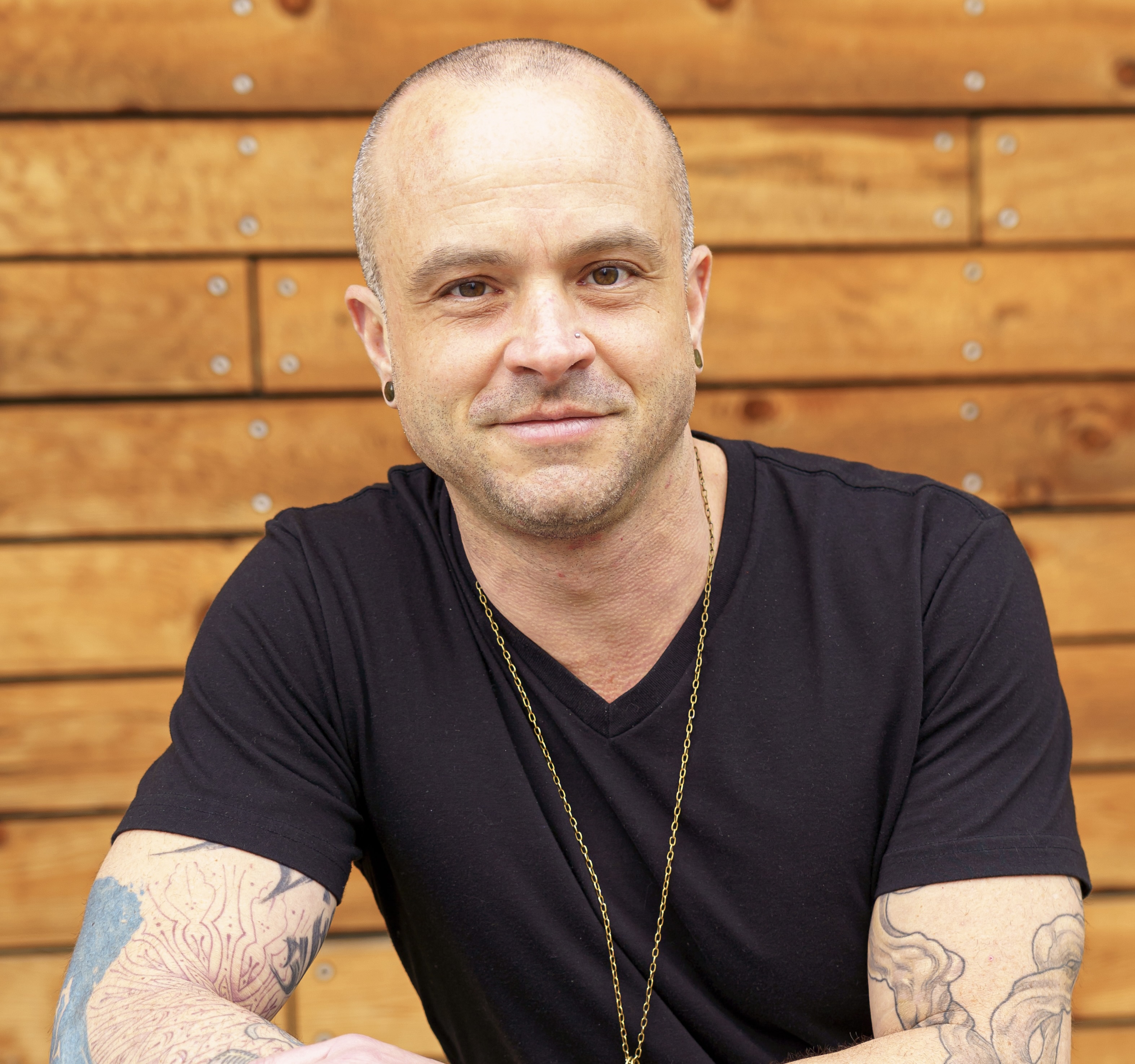
Matthew Myro Rothman is Chief Science Officer and VP of Marketing at EM2P2 and CannaLnx, where he helps bridge medical cannabis, healthcare infrastructure, patient education, and emerging technology. A lifelong musician, writer, philosopher, and cannabis science expert, Matthew spent more than 15 years working in cultivation, consulting, and medical cannabis operations throughout California before returning to Ohio to help shape the future of intelligent cannabis medicine. He holds a graduate degree in Philosophy, Cosmology, and Consciousness from California Institute of Integral Studies and writes extensively on cannabis science, consciousness, wellness, and human performance.
Please note: You are not currently logged in. Only members can contribute comments. If you would like to contribute click the button below.
