
Cannabis As Nutrition: Looking Beyond The Flower
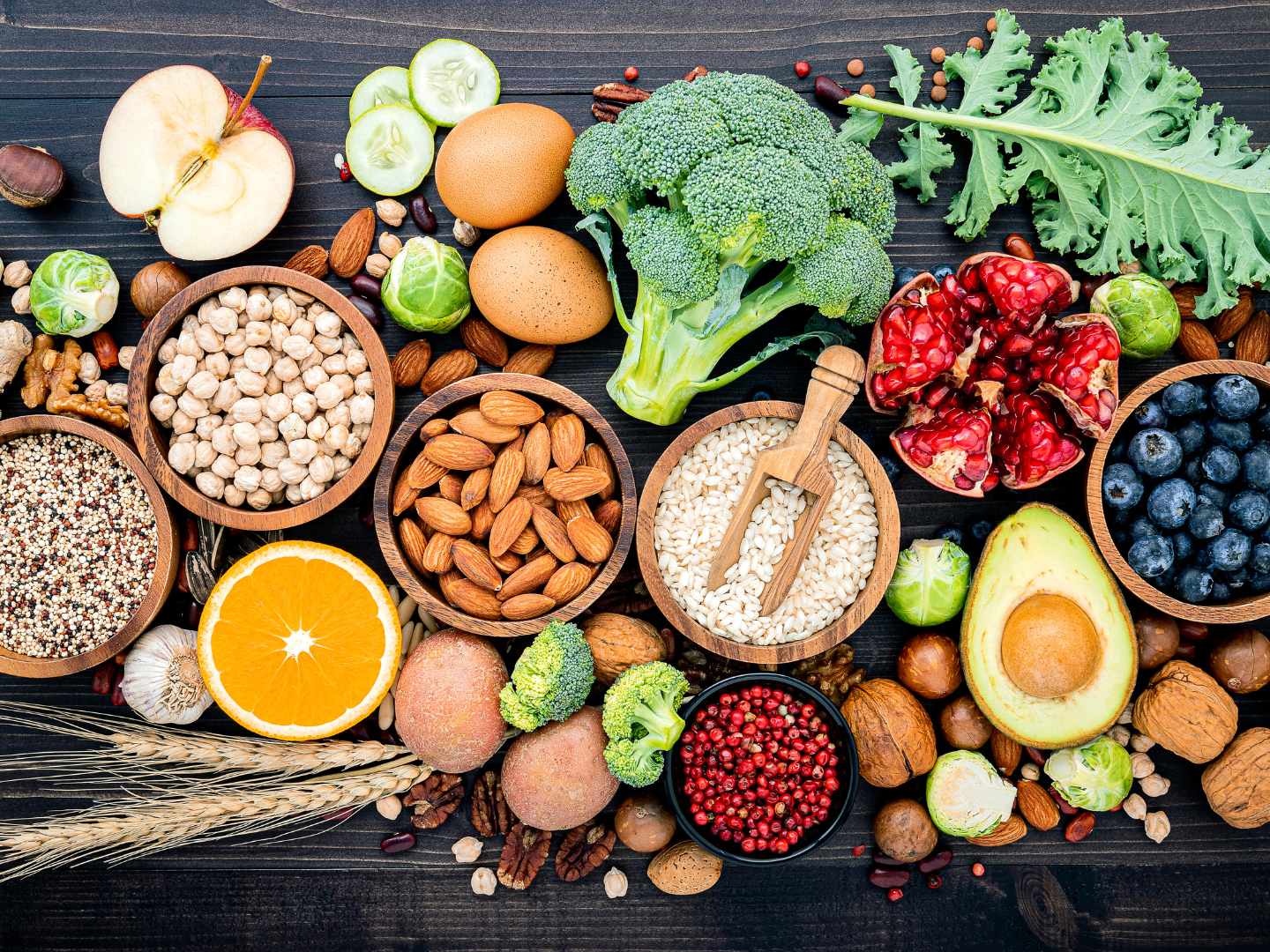
Cannabis is not one nutritional substance. Seeds, leaves, flowers, and extracts have very different compositions, uses, and risks.
Hemp seeds are nutrient-dense foods rich in protein, unsaturated fats, fiber, minerals, and several bioactive compounds.
Cannabis leaves and other plant tissues contain polyphenols, flavonoids, terpenes, and cannabinoids that demonstrate antioxidant activity in laboratory studies.
Antioxidant activity measured in a test tube does not automatically translate into meaningful health benefits when consumed by humans.
Treating cannabis as both food and medicine requires clear product classification, verified composition, and evidence matched to the part of the plant being used.
Parts of the cannabis plant, particularly hemp seeds, have legitimate nutritional value, while leaves and other tissues contain phytochemicals with measurable antioxidant activity. But “cannabis as nutrition” is only useful when we distinguish food from medicine, laboratory potential from human outcomes, and one part of the plant from another.
Most people encounter cannabis through a remarkably narrow frame.
They see flower, THC, CBD, intoxication, symptom relief, or perhaps a row of tinctures arranged beneath excellent lighting. The plant appears mainly as a delivery system for cannabinoids.
Botanically, that is a little like judging an apple tree entirely by its bark.
Cannabis is a complex plant with seeds, leaves, stems, roots, flowers, oils, proteins, fibers, fatty acids, terpenes, flavonoids, and phenolic compounds. Different tissues contain different chemistry, which means they also belong to different conversations.
Some parts can reasonably be discussed as food. Others are better understood as pharmacologically active botanical material. Still others may become ingredients for future nutraceuticals, although the evidence is not yet mature enough to treat every promising compound as a proven health intervention.
Cannabis is not a single ingredient. It is a botanical system whose different parts perform different nutritional and pharmacological roles.
That distinction is where a more intelligent conversation begins.
The strongest nutritional case belongs to the seed.
Hemp seeds contain substantial amounts of fat and protein, along with fiber, minerals, tocopherols, phytosterols, phenolic compounds, and other plant constituents. Their fat content is dominated by polyunsaturated fatty acids, including linoleic acid and alpha-linolenic acid, the essential omega-6 and omega-3 fatty acids humans must obtain from food.
Their major proteins include edestin and albumin. Hemp protein is reasonably digestible, particularly when the hull is removed, although it is not nutritionally perfect. Lysine tends to be the limiting amino acid, which means hemp should be viewed as one useful protein source rather than a magical replacement for dietary variety.
This is an important reality check.
Hemp seeds do not need exotic claims to justify their place in nutrition. They are a nutrient-dense seed with useful fats, plant protein, and a pleasant enough flavor to survive outside a supplement capsule.
A food does not become more nutritious because we describe it as medicine. Sometimes being good food is enough.
The psychoactive reputation of cannabis can make hemp seeds seem more pharmacologically mysterious than they are. Properly produced seeds contain little cannabinoid material because cannabinoids are concentrated mainly in the plant’s glandular tissues, particularly the flowers. Trace contamination can occur during harvesting and processing, but hemp seed nutrition is not primarily a cannabinoid story.
It is a food story.
Cannabis leaves occupy a more complicated space.
Research has identified phenolic compounds, flavonoids, terpenes, chlorophylls, carotenoids, cannabinoids, saponins, alkaloids, and other metabolites in hemp leaves. Laboratory studies have also found that leaf extracts can neutralize free radicals or perform well in chemical assays used to estimate antioxidant capacity.
That sounds impressive, but antioxidant language requires care.
Antioxidant activity is a laboratory measurement before it is a clinical benefit.
A compound may neutralize a reactive molecule in a test tube yet be poorly absorbed, rapidly metabolized, present at an insignificant dietary dose, or unable to reach the relevant human tissue. Food chemistry tells us what a plant contains and what those compounds can do under controlled conditions. Clinical nutrition asks whether consuming them changes health outcomes.
Those are connected questions, but they are not identical.
Current research supports describing cannabis leaves as chemically rich and potentially valuable sources of phytochemicals. It does not yet justify broad claims that consuming cannabis leaves prevents aging, reduces chronic disease, or meaningfully controls oxidative stress in humans.
The plant may contain useful chemistry. The human implications still have to be demonstrated.
Antioxidants are often presented as cellular cleanup crews, racing through the body to eliminate harmful free radicals.
The actual biology is more nuanced.
Reactive oxygen species can damage lipids, proteins, and DNA when their production overwhelms the body’s protective systems. That imbalance is called oxidative stress, and it is associated with aging, inflammation, and many chronic diseases.
But reactive molecules also participate in normal immune defense, cellular communication, exercise adaptation, and tissue repair. The goal is not to eliminate oxidation. It is to maintain regulation.
Oxidative stress is not the presence of reactive molecules. It is the loss of balance between their production and the body’s ability to manage them.
This matters because a plant with high antioxidant capacity is not automatically a universal health intervention. Its effects depend on dose, preparation, absorption, metabolism, nutritional context, and the person consuming it.
Cannabis joins a long list of plants that contain interesting antioxidant compounds. That makes it worthy of investigation, not exemption from ordinary standards of evidence.
The phrase “cannabis nutrition” can become misleading when it collapses the entire plant into one wellness concept.
Hemp seeds can be eaten as food.
Seed oil can provide unsaturated fats but contains little protein or fiber after processing.
Hemp protein powder concentrates the seed’s protein while changing its fat and fiber composition.
Leaves may be consumed raw or processed, but their cannabinoid content can vary according to cultivar, maturity, cultivation conditions, and plant tissue.
Flowers are cannabinoid-rich and pharmacologically active. Once heated, acidic cannabinoids such as THCA can convert into neutral forms such as THC, substantially changing their effects.
Extracts concentrate selected compounds and may no longer resemble the nutritional profile of the original plant at all.
The name of the plant tells us where a product came from. It does not tell us what the product contains or what it will do.
This is why composition matters more than category. Calling something “hemp,” “cannabis,” “full-spectrum,” or “plant-based” provides very little clinical or nutritional precision.
A tablespoon of hemp hearts and a THC-rich edible may come from the same species, but they do not belong in the same physiological conversation.
Cannabis does expose an artificial boundary in how we think about health.
Food is expected to nourish. Medicine is expected to alter physiology. Yet many foods contain compounds that influence inflammation, metabolism, vascular function, microbial activity, and cellular signaling. Many medicines began as plant molecules.
The categories overlap because biology does not recognize the aisles of a grocery store or pharmacy.
Still, the overlap should make us more precise, not less.
A functional food is generally understood as a food that may provide benefits beyond basic nutrition because of its bioactive components. Hemp seeds may fit comfortably within that category because they provide essential nutrients alongside phytosterols, tocopherols, polyphenols, and bioactive peptides.
Cannabinoid-rich flowers and extracts are different. Their pharmacological effects, dose-response relationships, impairment risks, medication interactions, and variability make them closer to botanical therapeutics than ordinary foods.
Food supports physiology through nourishment. Medicine intentionally changes physiology through a controlled intervention. Cannabis can participate in both categories, but not always through the same product.
That distinction protects consumers from two opposite mistakes: dismissing the nutritional value of hemp because it belongs to Cannabis sativa, and treating all cannabis-derived products as wholesome simply because they came from a plant.
The future of cannabis nutrition will depend on measurement.
For foods, that means accurate reporting of protein, fatty acids, fiber, minerals, allergens, contaminants, and processing methods. For cannabinoid-containing products, it also means verified concentrations of THC, CBD, acidic cannabinoids, terpenes, pesticides, heavy metals, microbes, and residual solvents.
Certificates of Analysis can provide part of this information, but laboratory data must be standardized, accessible, and connected to the exact product a person consumes.
The same principle applies to research. Studies must specify the cultivar, plant tissue, extraction method, dose, and chemical profile. Without that information, “cannabis” becomes too vague to produce reproducible knowledge.
Healthcare infrastructure turns plant complexity into usable evidence by connecting what a product contains with what happens after someone uses it.
Over time, that could help distinguish nutritional value, pharmacological activity, marketing language, and clinically meaningful outcomes.
Seeing cannabis as a whole plant expands the conversation, but it also demands greater precision. Hemp seeds have legitimate nutritional value. Leaves and other tissues contain phytochemicals with promising laboratory activity. Cannabinoid-rich products can produce meaningful physiological effects. These truths should not be blended into one vague claim that cannabis is a superfood. The more complex the plant appears, the more carefully we must identify which part is being used, what it contains, how it is prepared, and what evidence supports the promised benefit. A broader view of cannabis should produce clearer categories, not blurrier ones.
Yes. Hemp seeds provide plant protein, polyunsaturated fats, fiber, minerals, tocopherols, phytosterols, and phenolic compounds. They can be part of a balanced diet, although they should not be treated as a cure or complete replacement for dietary variety.
Cannabis leaves contain cannabinoids, flavonoids, phenolic compounds, and other phytochemicals that demonstrate antioxidant activity in laboratory tests. Human clinical evidence is not yet strong enough to conclude that consuming cannabis leaves prevents disease or produces specific antioxidant health benefits.
https://pubmed.ncbi.nlm.nih.gov/33319519/
https://pubmed.ncbi.nlm.nih.gov/32610691/
https://pubmed.ncbi.nlm.nih.gov/33614949/
https://pmc.ncbi.nlm.nih.gov/articles/PMC10376652/
https://pmc.ncbi.nlm.nih.gov/articles/PMC7923270/
https://www.nccih.nih.gov/health/cannabis-marijuana-and-cannabinoids-what-you-need-to-know

Matthew Myro Rothman is Chief Science Officer and VP of Marketing at EM2P2 and CannaLnx, where he helps bridge medical cannabis, healthcare infrastructure, patient education, and emerging technology. A lifelong musician, writer, philosopher, and cannabis science expert, Matthew spent more than 15 years working in cultivation, consulting, and medical cannabis operations throughout California before returning to Ohio to help shape the future of intelligent cannabis medicine. He holds a graduate degree in Philosophy, Cosmology, and Consciousness from California Institute of Integral Studies and writes extensively on cannabis science, consciousness, wellness, and human performance.
Please note: You are not currently logged in. Only members can contribute comments. If you would like to contribute click the button below.
