
The Medical Cannabis Patient Didn't Disappear. We Simply Stopped Giving Them a Reason to Stay Medical.
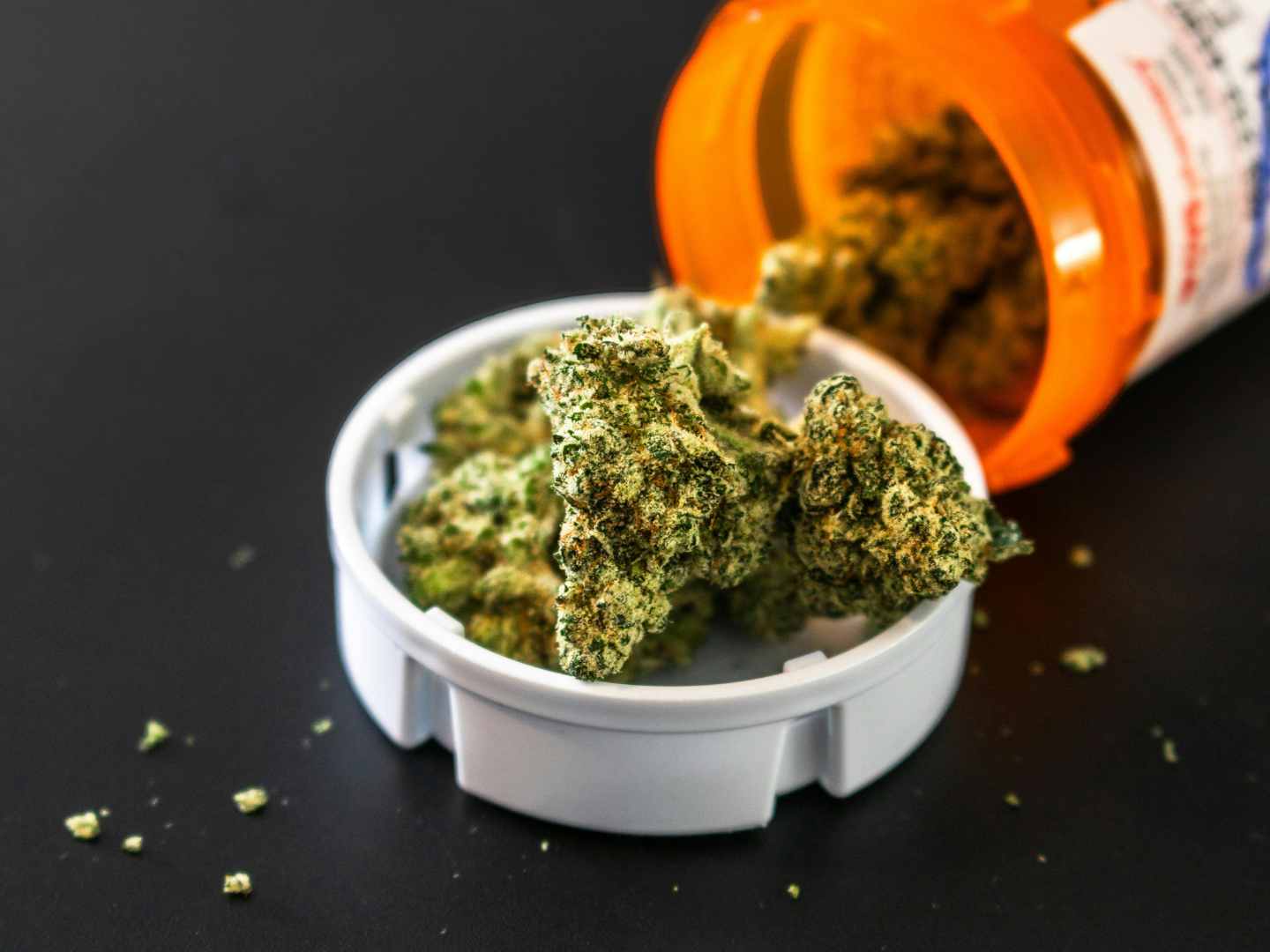
Adult-use legalization did not eliminate demand for medical cannabis. It reduced participation in formal medical programs while overall cannabis use remained stable.
A new California study suggests recreational legalization changed how people access cannabis more than why they use it.
Healthcare is not defined by access alone. It requires clinical guidance, documented outcomes, and continuity of care.
Reimbursement benefits have the potential to restore value to medical cannabis by reconnecting patients with clinicians rather than forcing them to choose between affordability and oversight.
The future of cannabinoid medicine will depend less on legalization and more on the healthcare infrastructure built around it.
Has adult-use cannabis replaced medical cannabis? The latest evidence suggests the answer is no. Instead, recreational legalization appears to have shifted many consumers away from physician-guided programs while leaving overall cannabis use largely unchanged, revealing a new opportunity to rethink how cannabinoid medicine fits into modern healthcare.
One of the most common narratives in cannabis today is that adult-use legalization killed medical cannabis.
It certainly looks that way on the surface.
A new California study found that doctor-recommended cannabis use among past-month cannabis users declined from 18.5% in 2019 to just 8.5% in 2024. During that same period, overall past-month cannabis use remained essentially unchanged at roughly 16%.
Many will read those numbers and conclude that medical cannabis is dying.
I don't think that's what the data are telling us.
I think they're telling us something far more interesting.
Adult-use legalization increased access. It did not automatically create healthcare.
That distinction matters because the study itself stops well short of claiming that medically motivated cannabis use disappeared. In fact, the authors explicitly acknowledge that doctor-recommended use represents only one subset of medical cannabis use and that self-directed medical use is not captured by their analysis. They also note that declining physician-guided participation does not necessarily mean people stopped using cannabis for medical purposes.
That is an important nuance.
For decades, obtaining a physician recommendation was often the only legal path to cannabis. Once recreational access became available, many consumers no longer needed a medical recommendation to purchase the same products. The legal requirement disappeared, but the reasons many people consume cannabis may not have.
People don't suddenly stop experiencing chronic pain because a dispensary changes its sign from "medical" to "adult-use."
Insomnia doesn't disappear.
Anxiety doesn't disappear.
Neuropathy doesn't disappear.
The easier explanation is that the incentive structure changed.
People generally follow incentives before they follow systems.
When recreational cannabis offers similar products with fewer administrative hurdles, many consumers will understandably choose convenience over paperwork. That decision says very little about whether they still view cannabis as part of their personal health strategy.
The California researchers arrive at a similar practical concern. They note that declining physician oversight raises the possibility that individuals with complex medical conditions may increasingly obtain cannabis through the recreational marketplace without adequate clinical guidance.
That observation may prove more consequential than the decline itself.
Healthcare has never been defined by the product.
Healthcare is not the product being consumed. It is the system that surrounds the product with clinical judgment, documentation, and continuous learning.
Whether the intervention is aspirin, insulin, physical therapy, or cannabinoid medicine, healthcare creates value by connecting patients with clinicians, documenting outcomes, identifying adverse effects, and improving future care through accumulated evidence.
Cannabis should be no different.
The conversation surrounding medical cannabis has often focused on legalization.
That conversation was necessary.
The next conversation is infrastructure.
Healthcare infrastructure is not treatment. It is the framework that makes treatment measurable, interoperable, and reimbursable.
That framework includes clinician recommendations, laboratory validation, standardized product information, electronic medical records, reimbursement systems, patient-reported outcomes, and longitudinal evidence generation.
Without those pieces working together, cannabis remains largely a retail product regardless of how medically it is being used.
With them, cannabinoid medicine begins to function like every other modern therapeutic discipline.
That distinction becomes even more important as scientific evidence continues to expand. The National Academies concluded that substantial evidence supports cannabis or cannabinoids for chronic pain in adults, chemotherapy-induced nausea and vomiting, and patient-reported spasticity in multiple sclerosis while emphasizing the need for continued research across many additional conditions. https://nap.nationalacademies.org/catalog/24625/the-health-effects-of-cannabis-and-cannabinoids-the-current-state-of
Likewise, clinicians continue to identify important knowledge gaps involving dosing, delivery methods, contraindications, adverse effects, and drug interactions. Practical guidance continues to evolve as evidence accumulates. https://pubmed.ncbi.nlm.nih.gov/29307505/
This is precisely why physician involvement remains valuable.
Evidence does not emerge from isolated experiences. Evidence emerges when individual experiences become connected through data.
Every documented recommendation.
Every validated purchase.
Every laboratory-tested product.
Every patient outcome.
Together they become something larger than any single patient encounter.
They become evidence.
This is where reimbursement enters the conversation.
Most discussions about reimbursement focus on cost.
That is understandable.
Patients appreciate lower out-of-pocket expenses.
Employers appreciate healthier workforces.
Health plans appreciate interventions that may reduce downstream healthcare utilization.
But reimbursement may accomplish something even more fundamental.
It creates a meaningful reason for patients to re-engage with a medical ecosystem.
If participating in physician-guided cannabinoid care means better affordability, better documentation, better clinical oversight, and better long-term health management, the medical pathway begins offering something that recreational access alone cannot.
Convenience brought many consumers into the adult-use marketplace.
Value may bring many of them back into healthcare.
This isn't about replacing adult-use cannabis.
Adult-use legalization solved an important problem by expanding access and reducing criminalization.
Those gains should not be dismissed.
But legalization and healthcare were never the same objective.
One removes barriers to purchase.
The other improves patient care.
Those goals complement each other rather than compete.
The California study may ultimately be remembered for documenting a decline in physician-guided cannabis participation.
I suspect its greater contribution is the question it forces us to ask.
If millions of consumers continue using cannabis while fewer participate in medical programs, how do we build a healthcare system compelling enough that patients choose to reconnect with it?
That answer probably isn't more bureaucracy.
It isn't additional forms.
It isn't simply issuing more medical cards.
It is creating a healthcare experience that offers tangible value through clinical guidance, validated products, interoperable health data, measurable outcomes, and reimbursement that recognizes cannabinoid medicine as part of comprehensive patient care.
The future of medical cannabis will not be determined by legalization alone. It will be determined by whether we build the infrastructure that makes cannabinoid medicine worthy of modern healthcare.
Did this California study prove that most adult-use cannabis consumers are self-medicating?
No. The researchers did not measure why people used cannabis. They found that doctor-recommended cannabis use declined significantly while overall cannabis use remained stable and acknowledged that self-directed medical use was outside the scope of the study.
How could reimbursement strengthen medical cannabis programs?
Reimbursement changes the value proposition of participating in a medical cannabis program. By reducing out-of-pocket costs while encouraging clinician involvement, documented outcomes, and continuity of care, reimbursement can make medical participation beneficial beyond simply providing legal access.
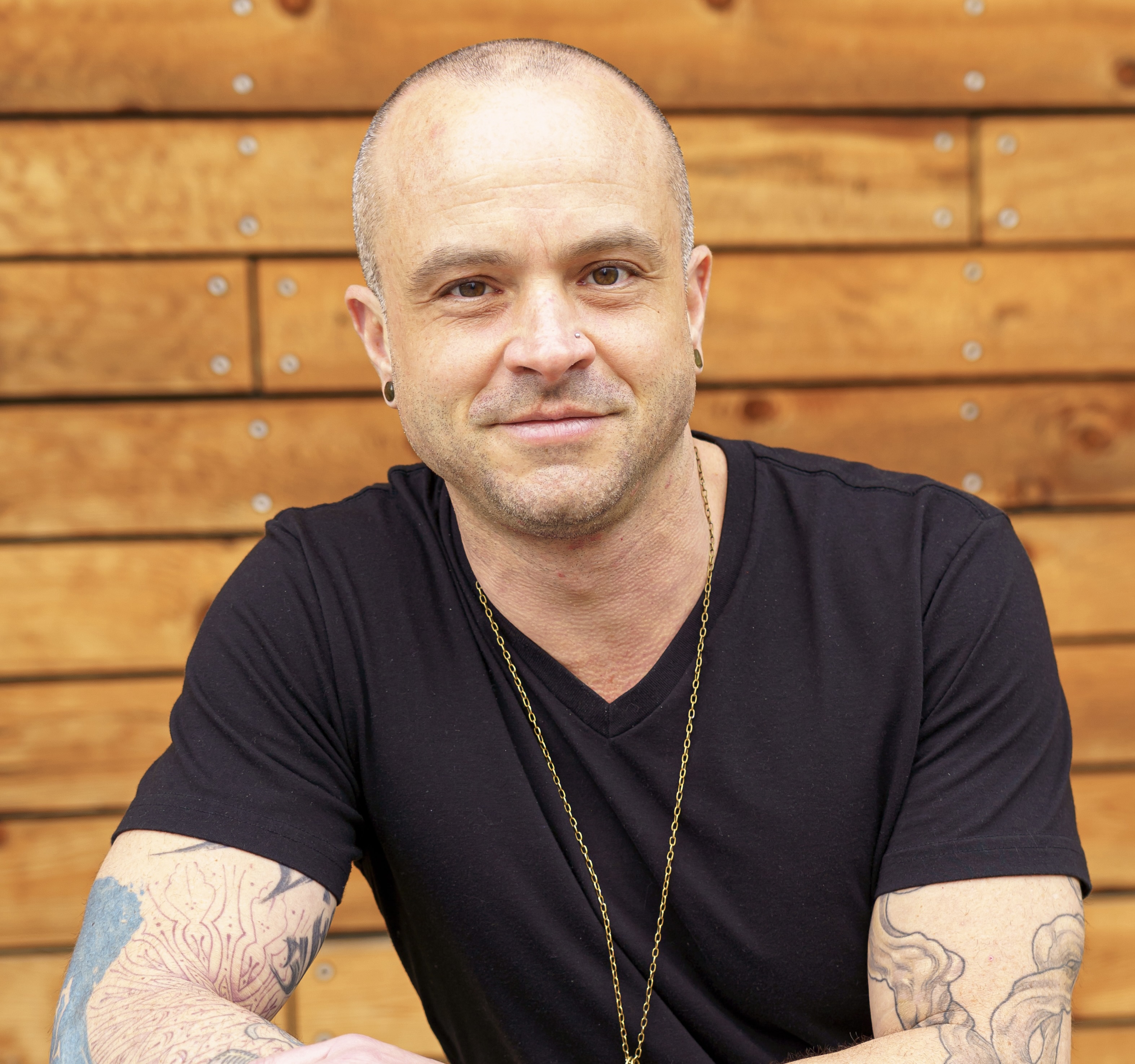
Matthew Myro Rothman is Chief Science Officer and VP of Marketing at EM2P2 and CannaLnx, where he helps bridge medical cannabis, healthcare infrastructure, patient education, and emerging technology. A lifelong musician, writer, philosopher, and cannabis science expert, Matthew spent more than 15 years working in cultivation, consulting, and medical cannabis operations throughout California before returning to Ohio to help shape the future of intelligent cannabis medicine. He holds a graduate degree in Philosophy, Cosmology, and Consciousness from California Institute of Integral Studies and writes extensively on cannabis science, consciousness, wellness, and human performance.
Please note: You are not currently logged in. Only members can contribute comments. If you would like to contribute click the button below.
