
When One Medicine Replaces Many: What Cannabis Reveals About the Body’s Search for Balance
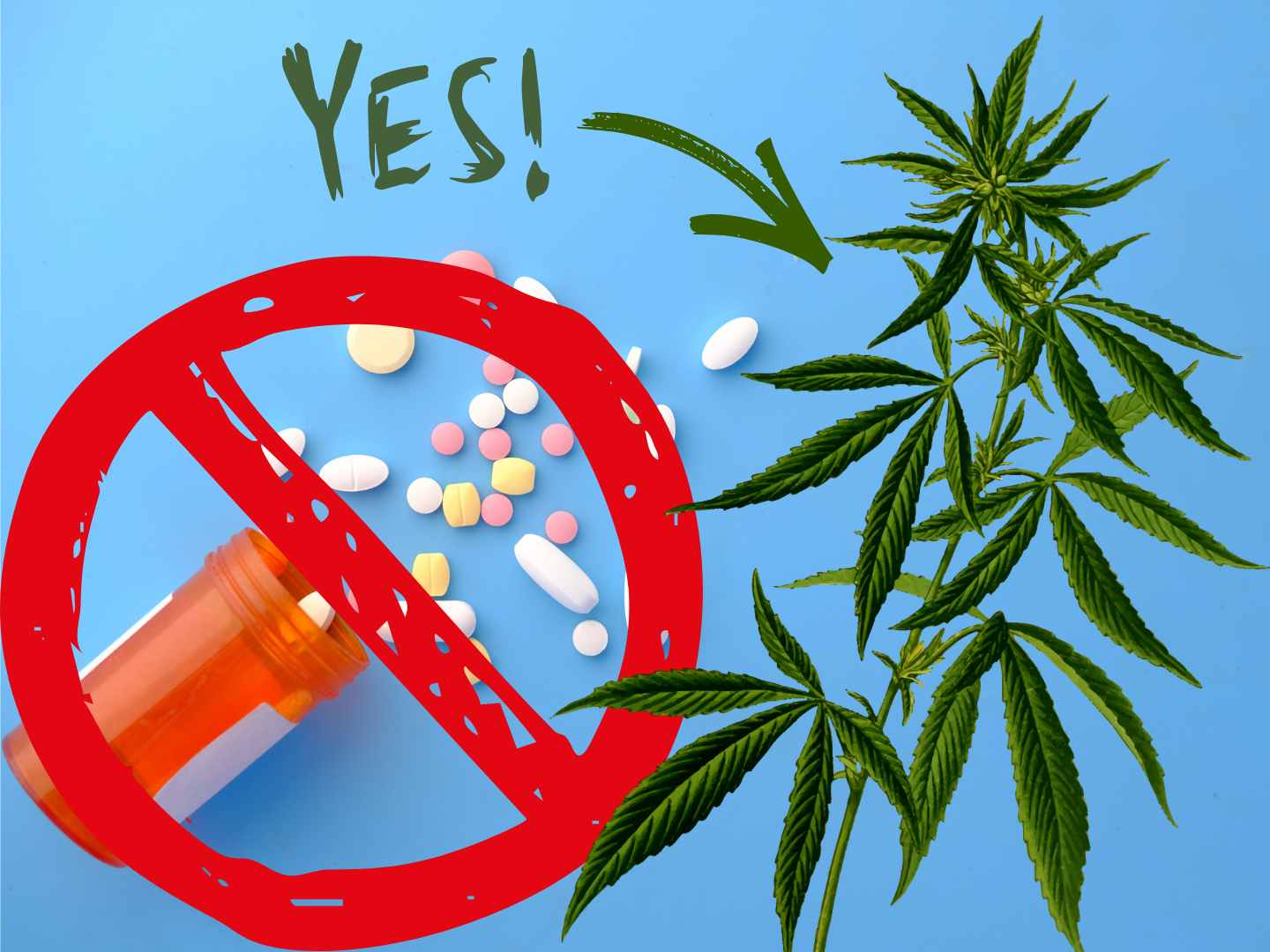
Medical cannabis is increasingly being used as a substitute for certain prescription medications, particularly opioids, sleep aids, anti-anxiety medications, and antidepressants.
The substitution effect appears to occur because cannabis influences multiple interconnected physiological systems simultaneously rather than targeting isolated symptoms.
The endocannabinoid system helps regulate pain, stress response, mood, and sleep, creating the potential for broader symptom management through a single intervention.
Research suggests some patients are able to reduce prescription medication use when cannabis provides sufficient symptom relief, though outcomes vary significantly between individuals.
Cannabis is not a universal replacement for prescription drugs. Its effectiveness depends on factors such as dosage, cannabinoid profile, medical condition, and individual biology.
The most important takeaway is not that cannabis replaces medications, but that it may help some patients simplify complex treatment regimens.
Research and patient surveys consistently show that some medical cannabis patients reduce or discontinue prescription medications, particularly opioids, sleep aids, and anxiety medications. This trend appears to be driven by cannabis's ability to influence multiple interconnected systems involved in pain, stress, mood, and sleep rather than addressing each symptom separately.
There is a quiet pattern unfolding in medicine, one that rarely makes headlines but shows up clearly in patient behavior. People are not just adding cannabis to their routines. In many cases, they are replacing something else with it.
Not out of ideology. Out of experience.
The question worth asking is not whether this is happening. It is why.
Recent findings show a consistent trend among patients using medical cannabis. Many report reducing or completely stopping the use of certain prescription medications, particularly opioids, sleep aids, antidepressants, and anti-anxiety drugs. Multiple patient surveys have documented this substitution effect, including large observational studies showing reductions in prescription drug use among medical cannabis patients (https://pubmed.ncbi.nlm.nih.gov/28847455/).
This is not a small shift. These are some of the most commonly prescribed medications in modern healthcare, often used to manage chronic pain, insomnia, and mood-related conditions.
What stands out is not just the reduction itself, but the pattern. Patients are not replacing one medication with another in the traditional sense. They are moving toward a single intervention that appears to influence multiple symptoms at once.
Cannabis is not simply targeting symptoms. It is interacting with the systems that connect those symptoms.
That alone invites a deeper look.
The body does not experience pain, sleep disruption, and anxiety as separate categories. These states overlap, reinforce one another, and often originate from shared physiological mechanisms.
Traditional treatment approaches tend to isolate symptoms. One medication for pain. Another for sleep. Another for mood. Over time, this can create a layered treatment strategy that becomes difficult to navigate and even harder to step away from.
Cannabis interacts differently. Through the endocannabinoid system, it influences a broad range of physiological processes, including pain signaling, stress response, inflammation, emotional regulation, and sleep architecture. The endocannabinoid system itself is a regulatory network responsible for maintaining physiological balance across multiple organ systems (https://www.ncbi.nlm.nih.gov/pmc/articles/PMC5877694/).
The endocannabinoid system is not a pain system or a sleep system. It is a regulatory system that helps coordinate both.
This creates a kind of convergence. Instead of targeting isolated symptoms, cannabis engages with the biological networks that connect them.
For some patients, that shift makes it possible to simplify.
The relationship between cannabis and opioid use deserves particular attention. Opioids are effective for pain, but they come with well-documented risks, including dependence, tolerance, and overdose potential.
What we are seeing in patient reports is a willingness to reduce or discontinue opioids when cannabis provides sufficient relief. Several studies have found that medical cannabis patients frequently report decreased opioid consumption and improved quality of life after initiating cannabis therapy (https://pubmed.ncbi.nlm.nih.gov/31301100/).
The significance is not that cannabis eliminates pain. The significance is that some patients require less medication to manage it.
This does not mean cannabis replaces opioids in every case. It means that for some individuals, the balance between relief and side effects shifts enough to reconsider what is necessary.
This is not just a pharmacological change. It is a behavioral one. Patients are actively choosing a different path when they feel supported enough to do so.
Sleep and anxiety form one of the most persistent feedback loops in human physiology. Poor sleep increases anxiety. Anxiety disrupts sleep. Each reinforces the other.
Medications often address one side of the equation, sometimes at the expense of the other.
Cannabis appears to influence both simultaneously for some users. Cannabinoids interact with brain regions involved in stress regulation, emotional processing, and sleep-wake cycles, creating the potential for broader effects across these interconnected systems (https://www.ncbi.nlm.nih.gov/books/NBK425767/).
Sleep and anxiety are not separate problems. They are often different expressions of the same dysregulated system.
By easing nervous system activation and supporting healthier sleep patterns, cannabis may reduce the need for multiple interventions in some individuals.
Again, the theme is not replacement for its own sake. It is consolidation. Fewer moving parts, with a broader impact.
It is important to remain grounded here. Not every patient reduces their medication use. Not every experience is positive or consistent.
Cannabis is not a universal substitute. It is a variable tool that interacts with a highly individualized system. Factors such as dosage, cannabinoid ratios, terpene composition, genetics, tolerance, and underlying health conditions all influence outcomes.
Medical cannabis is not a replacement strategy. It is an individualized therapeutic option.
What the data shows is possibility, not certainty.
That distinction matters, especially in a space where oversimplification is common.
There is something quietly compelling about the idea of needing less. Fewer prescriptions. Fewer side effects. Fewer layers between a person and their own experience.
Cannabis, in this context, is not just another option. It represents a different approach. One that leans into the body's ability to regulate itself when given the right kind of support.
The goal is not necessarily more treatment. Sometimes the goal is more effective regulation.
For some patients, that support is enough to step away from medications they once depended on. Not abruptly, not recklessly, but gradually and with awareness.
Medicine often moves in the direction of addition. More tools, more interventions, more complexity. But sometimes progress looks like subtraction.
Not as loss, but as refinement.
When patients begin to rely less on multiple medications and more on something that works across systems, it suggests that the body is being met in a more integrated way.
Cannabis does not solve everything. But in certain cases, it appears to help the body do more with less.
The future of personalized medicine may be measured not only by what we add, but by what patients no longer need.
And in a healthcare landscape defined by complexity, that kind of simplicity carries its own intelligence.
Research and patient surveys suggest that some medical cannabis patients reduce opioid consumption after starting cannabis therapy. However, results vary considerably, and patients should never discontinue opioids without guidance from a qualified healthcare professional.
Cannabis interacts with the endocannabinoid system, which helps regulate pain, stress response, mood, and sleep. Because these systems are interconnected, some patients find that a single cannabis-based intervention addresses multiple symptoms simultaneously.
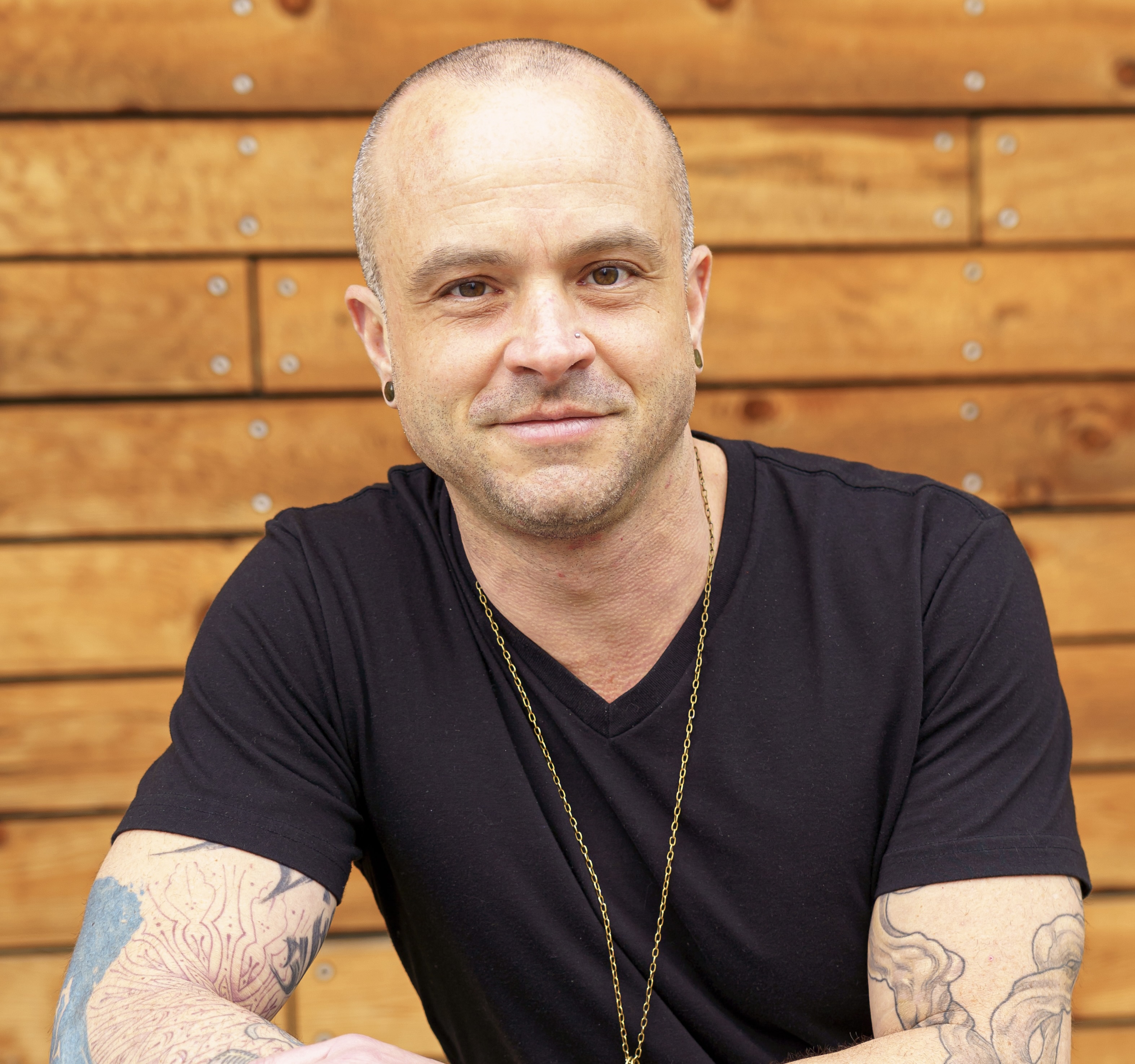
Matthew Myro Rothman is Chief Science Officer and VP of Marketing at EM2P2 and CannaLnx, where he helps bridge medical cannabis, healthcare infrastructure, patient education, and emerging technology. A lifelong musician, writer, philosopher, and cannabis science expert, Matthew spent more than 15 years working in cultivation, consulting, and medical cannabis operations throughout California before returning to Ohio to help shape the future of intelligent cannabis medicine. He holds a graduate degree in Philosophy, Cosmology, and Consciousness from California Institute of Integral Studies and writes extensively on cannabis science, consciousness, wellness, and human performance.
Please note: You are not currently logged in. Only members can contribute comments. If you would like to contribute click the button below.
