
When Policy Meets the Bedside: Cannabis, Dignity, and the Final Chapter of Care
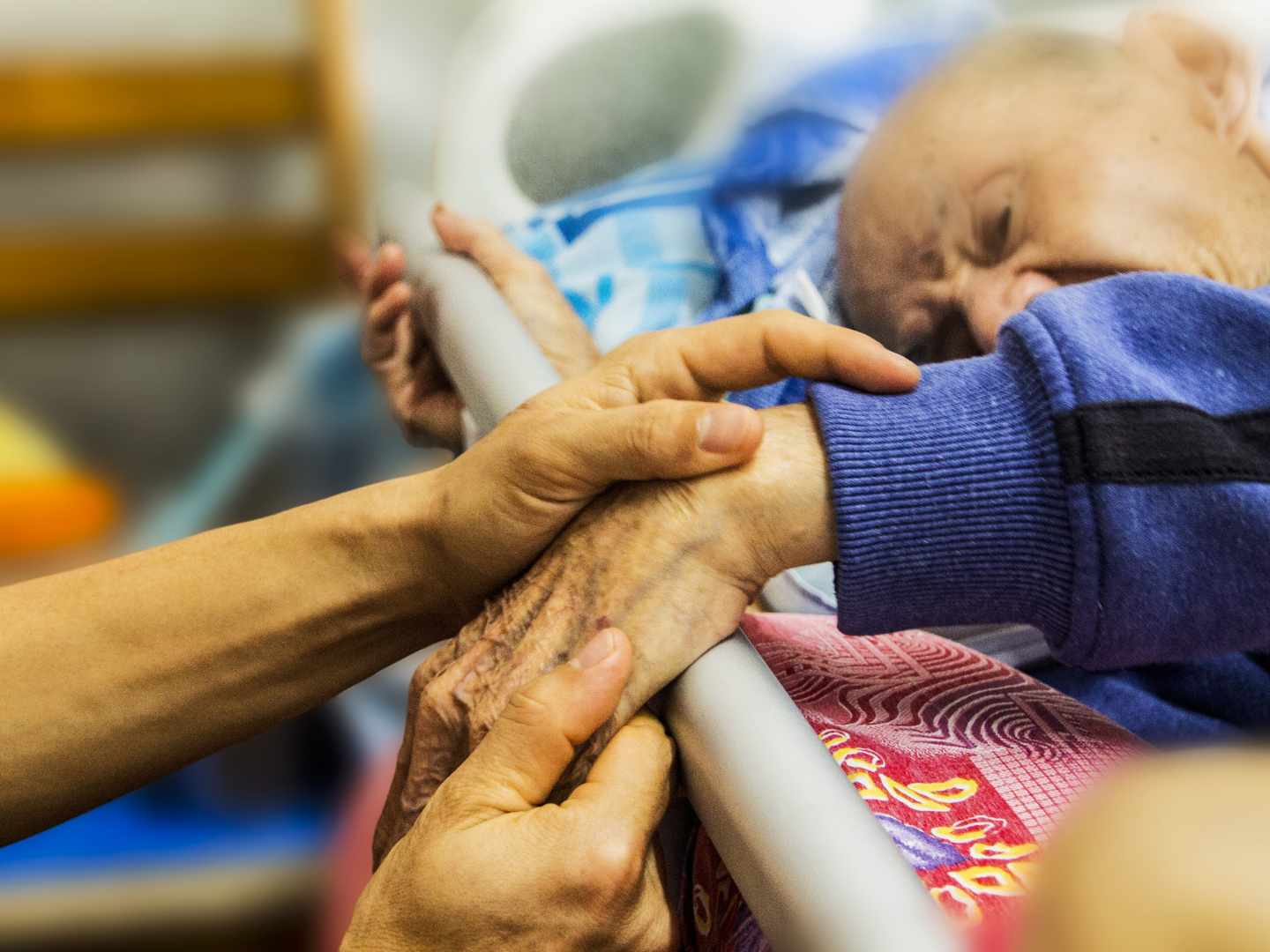
Pennsylvania’s proposed legislation would allow terminally ill patients to use medical cannabis within certain healthcare facilities under regulated clinical guidelines.
Restricting cannabis access during hospice or hospital care can remove an important symptom-management tool for pain, anxiety, nausea, and sleep disruption.
Patient-centered end-of-life care is not just about extending life. It is about preserving dignity, comfort, clarity, and personal agency.
Structured cannabis policies inside healthcare systems create accountability, documentation standards, and safer integration into treatment plans.
The legislation reflects a broader shift in medicine toward recognizing cannabis as a legitimate therapeutic option rather than an institutional outlier.
End-of-life cannabis access is increasingly becoming a healthcare ethics conversation, not merely a cannabis policy debate.
Pennsylvania lawmakers are advancing legislation that would allow terminally ill patients to use medical cannabis inside certain healthcare facilities under clinical oversight. The move represents a significant shift toward more compassionate, patient-centered end-of-life care that prioritizes comfort, autonomy, and symptom relief.
There is a moment in medicine when the objective quietly changes.
The focus shifts away from fighting for more time at any cost and toward something more intimate and human: comfort, clarity, presence, and dignity. For patients facing terminal illness, that transition is not philosophical. It is lived in real time, often day by day.
That is why Pennsylvania’s recent legislative movement around medical cannabis matters far beyond cannabis policy itself.
Lawmakers have approved a bill that would require certain healthcare facilities to permit terminally ill patients to use medical cannabis on-site under structured clinical guidelines. If enacted, hospitals, hospice programs, and long-term care facilities would need to establish policies governing safe administration, documentation, and physician oversight.
At first glance, this may sound procedural.
It is not.
For years, many legally certified medical cannabis patients have been forced to discontinue cannabis use the moment they entered institutional care settings. The issue was rarely about therapeutic failure. It was about policy infrastructure lagging behind patient reality.
“Patient-centered care loses meaning when institutions remove therapies patients already rely on.”
That disconnect has had real consequences.
Cannabis is commonly used by terminally ill patients to help manage pain, nausea, appetite loss, insomnia, anxiety, and emotional distress. Research from the National Cancer Institute acknowledges cannabinoids may help improve chemotherapy-related nausea, appetite stimulation, and cancer-related symptom burden in some patients (https://www.cancer.gov/about-cancer/treatment/cam/hp/cannabis-pdq).
“Palliative care is not just symptom reduction. It is the preservation of quality of life.”
When cannabis access disappears during hospitalization or hospice admission, patients are often left with fewer therapeutic options. In many cases, replacement medications involve heavier sedation, greater cognitive dulling, or more substantial side-effect burdens.
That does not mean conventional pharmaceuticals lack value. They absolutely do.
But comfort is multidimensional.
Some patients prioritize pain reduction above all else. Others prioritize staying mentally present with family members. Some seek better sleep. Others want reduced anxiety without feeling emotionally disconnected.
“Comfort is not a universal formula. It is an individualized experience.”
This is where structured cannabis access becomes important.
The Pennsylvania legislation does not create a free-for-all environment. Facilities would still operate under defined protocols involving physician authorization, documentation requirements, administration policies, and safety oversight.
That distinction matters clinically and culturally.
Cannabis moves from the margins of care into the care model itself.
And that changes the conversation.
Instead of patients and families navigating cannabis quietly or unofficially, healthcare providers become active participants in monitoring outcomes, discussing risks, and integrating cannabinoid therapy into broader treatment planning.
“The medicalization of cannabis is ultimately about transparency, not normalization.”
There is also a deeper ethical layer here that extends beyond symptom management.
End-of-life care is fundamentally tied to autonomy.
Patients facing terminal illness often experience shrinking control over nearly every aspect of daily life: mobility, appetite, sleep, independence, and physical comfort. The ability to make decisions about symptom management carries psychological weight far beyond the intervention itself.
Allowing patients continued access to medical cannabis when it provides relief reinforces the idea that they remain participants in their care, not passive recipients of institutional policy.
“Dignity in medicine often lives inside small choices.”
That principle aligns closely with broader palliative care philosophy. According to the World Health Organization, palliative care aims to improve quality of life through prevention and relief of suffering while addressing physical, psychosocial, and emotional distress (https://www.who.int/news-room/fact-sheets/detail/palliative-care).
Cannabis increasingly fits within that framework.
There is already emerging evidence supporting cannabinoids in symptom management settings involving chronic pain, cancer-related nausea, sleep disturbances, and anxiety regulation (https://www.ncbi.nlm.nih.gov/pmc/articles/PMC7388229/).
The endocannabinoid system itself plays a role in pain signaling, emotional regulation, stress response, appetite, and homeostasis throughout the body (https://pubmed.ncbi.nlm.nih.gov/18404144/).
“The endocannabinoid system does not create comfort. It regulates many of the biological systems involved in it.”
Of course, this legislation does not solve every issue surrounding cannabis in healthcare.
Questions remain involving dosing standards, staff training, liability protections, federal-state conflicts, and consistency between institutions. Some clinicians remain cautious due to limited large-scale randomized trials in palliative settings.
Those concerns are legitimate.
But caution and compassion do not have to oppose one another.
What Pennsylvania’s policy shift signals most clearly is that healthcare systems are beginning to recognize cannabis as something more clinically relevant than a cultural controversy.
And that shift matters because institutional recognition often precedes broader medical integration.
“The conversation around cannabis is slowly moving from ideology toward individualized clinical utility.”
That evolution is especially meaningful inside hospitals and hospice systems, environments historically defined by strict protocol and evidence-based conservatism.
When those institutions begin building pathways for cannabis access, it suggests the therapeutic conversation itself is maturing.
Not because cannabis is a miracle.
Not because it replaces conventional medicine.
But because compassionate care sometimes requires expanding the available toolkit.
And at the end of life, even small expansions in comfort, agency, and presence can profoundly change the human experience.
Many healthcare facilities prohibit cannabis because of federal legal conflicts, institutional policies, liability concerns, and lack of standardized administration guidelines. Even patients legally certified under state medical cannabis programs have often lost access after entering inpatient or hospice care.
Cannabis may help some terminally ill patients manage pain, nausea, appetite loss, anxiety, insomnia, and emotional distress. While it is not a cure for terminal illness, cannabinoids are increasingly being explored as part of broader palliative and supportive care strategies.
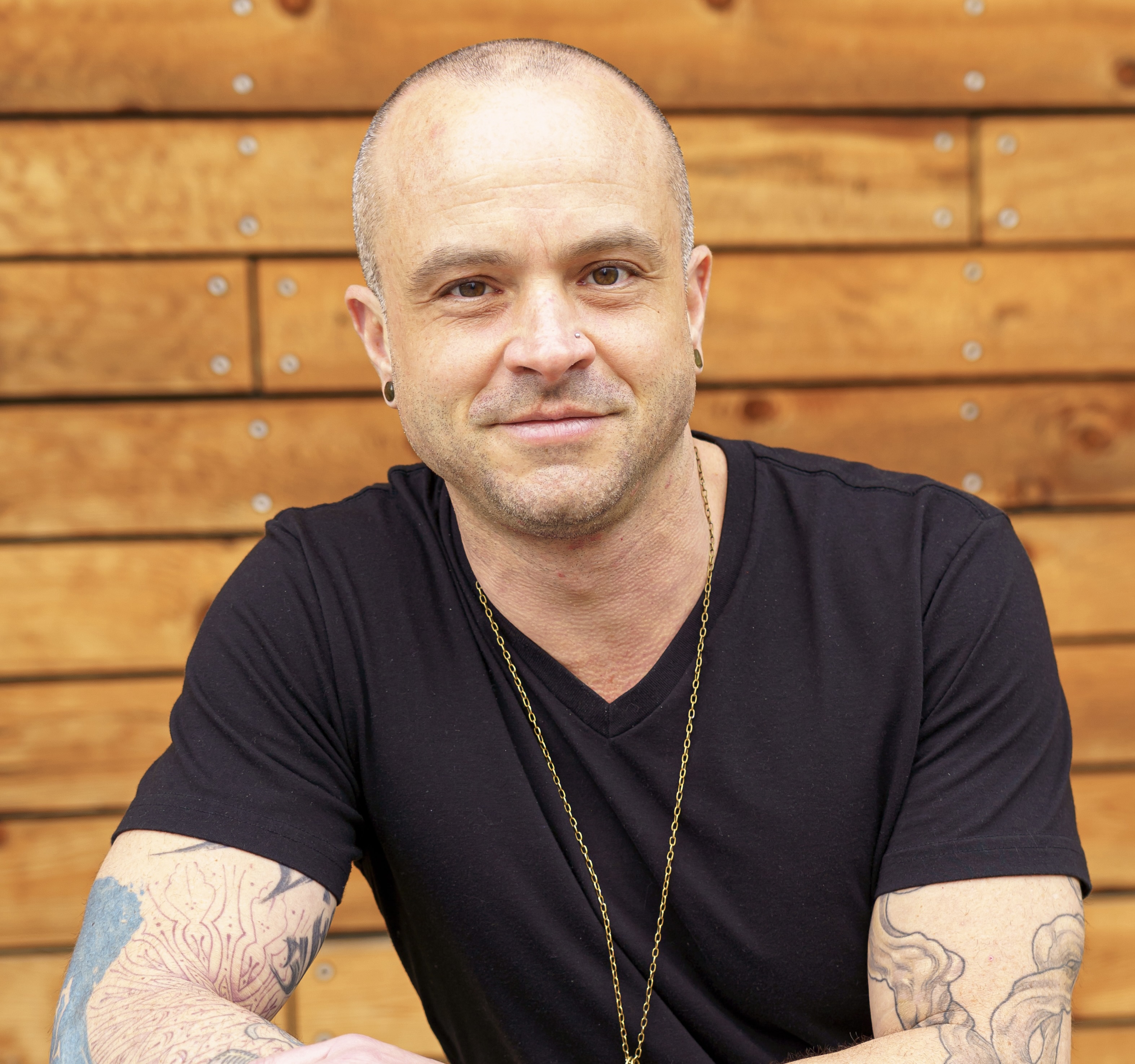
Matthew Myro Rothman is Chief Science Officer and VP of Marketing at EM2P2 and CannaLnx, where he helps bridge medical cannabis, healthcare infrastructure, patient education, and emerging technology. A lifelong musician, writer, philosopher, and cannabis science expert, Matthew spent more than 15 years working in cultivation, consulting, and medical cannabis operations throughout California before returning to Ohio to help shape the future of intelligent cannabis medicine. He holds a graduate degree in Philosophy, Cosmology, and Consciousness from California Institute of Integral Studies and writes extensively on cannabis science, consciousness, wellness, and human performance.
Please note: You are not currently logged in. Only members can contribute comments. If you would like to contribute click the button below.
