
Can Cannabinol Help Psoriasis? What Patients Should Know About the Latest CBN Research
CBN is a non-intoxicating cannabinoid that may regulate inflammatory pathways involved in psoriasis.
Early laboratory evidence shows reduced cytokine activity, but no human clinical trials confirm effectiveness.
Psoriasis is driven by immune dysfunction and systemic inflammation, making targeted modulation a key goal.
The endocannabinoid system in the skin provides a biological mechanism for cannabinoids to influence inflammation.
CBN should be viewed as a potential adjunct, not a replacement for established psoriasis treatments.
CBN may help regulate inflammation linked to psoriasis based on early laboratory research, but there is no clinical evidence yet showing it improves symptoms in humans. It is best considered a potential complementary approach, not a proven treatment.
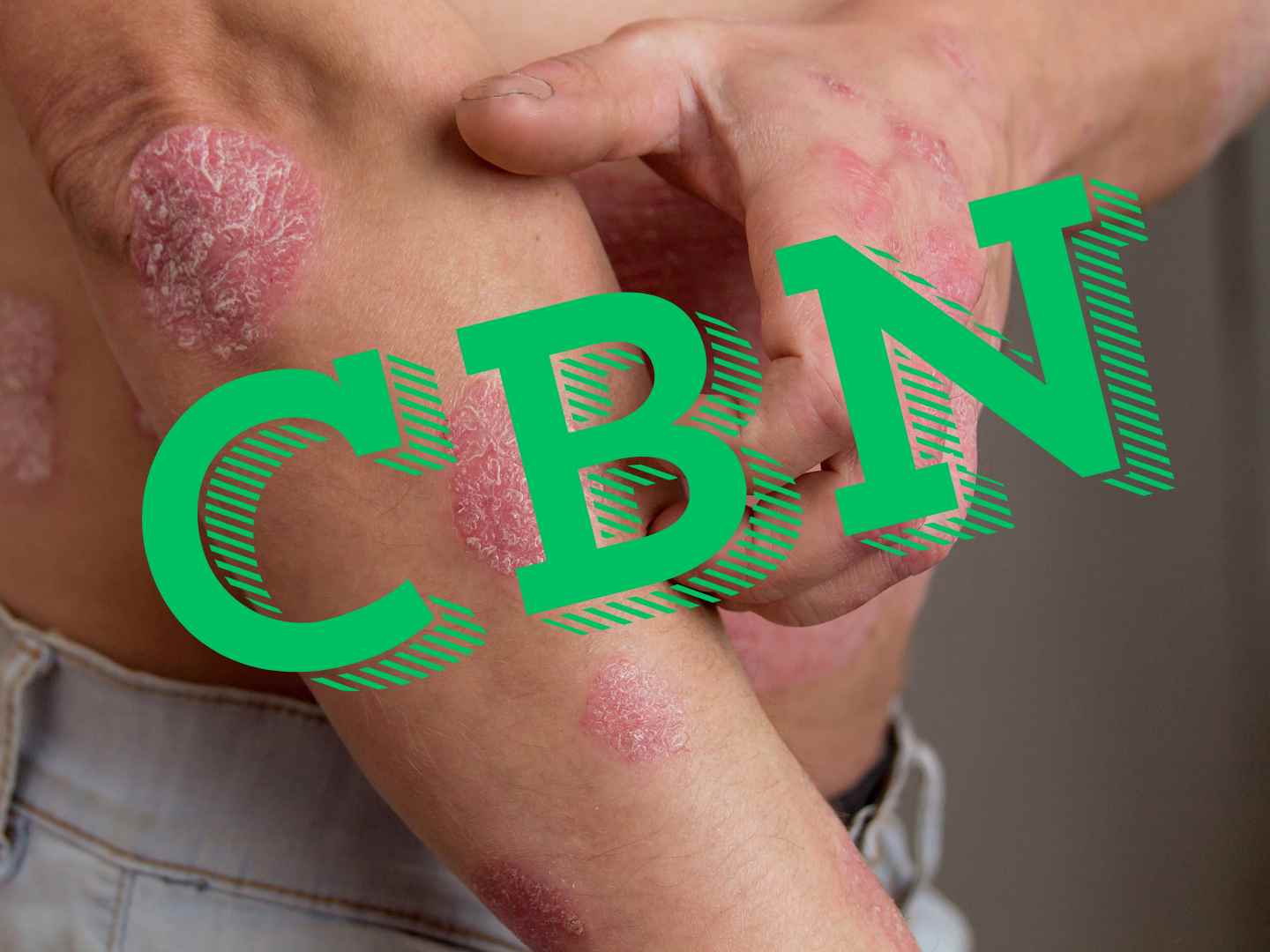
Psoriasis is not just dry skin. It is a chronic autoimmune condition driven by immune dysfunction and persistent inflammation. For many patients, it presents as thick plaques, redness, itching, and a cycle of flare ups that can feel unpredictable and exhausting .
“Psoriasis is not a surface condition. It is an immune-driven inflammatory disease expressed through the skin.”
While biologics and topical steroids have improved outcomes for many, they are not without limitations. Side effects, cost, and long-term immune suppression remain real concerns.
A recent laboratory study has turned attention toward an overlooked cannabinoid called cannabinol, or CBN, and its potential role in inflammatory skin disease.
CBN is a minor cannabinoid found in the cannabis plant. Unlike THC, it is not intoxicating. It forms naturally as THC ages and oxidizes.
“CBN is not a sedative by definition. It is a cannabinoid with emerging roles in immune regulation.”
For years, CBN was associated with sleep products, often without strong supporting evidence. Now research is shifting toward its role in inflammation and immune signaling.
Cannabinoids are known to influence cytokine production and immune pathways, which are central to inflammatory diseases (https://www.ncbi.nlm.nih.gov/pmc/articles/PMC2828614/).
Psoriasis develops when the immune system accelerates skin cell turnover. Cells that should mature over weeks accumulate in days, leading to plaque formation and persistent inflammation.
“Psoriasis is not rapid skin growth alone. It is dysregulated immune signaling driving that growth.”
Cytokines such as TNF alpha and interleukins play a central role in this process. These signaling molecules amplify inflammation and sustain the disease cycle (https://www.ncbi.nlm.nih.gov/books/NBK448135/).
According to the National Psoriasis Foundation, psoriasis affects millions of people and reflects systemic inflammation, not just localized irritation (https://www.psoriasis.org/).
Current therapies often suppress immune activity broadly. While effective, they can increase infection risk and are not ideal for all patients.
In controlled laboratory experiments, CBN demonstrated anti-inflammatory activity in skin-related cellular models. Researchers observed reductions in pro-inflammatory markers associated with psoriasis.
“CBN does not shut down the immune system. It appears to modulate how inflammatory signals are expressed.”
These findings suggest that CBN may influence immune signaling pathways involved in chronic skin inflammation. The mechanism is likely tied to cannabinoid interaction with cellular receptors that regulate cytokine production.
The skin contains an active endocannabinoid system that helps maintain immune balance and barrier function (https://www.ncbi.nlm.nih.gov/pmc/articles/PMC2757311/).
“Cannabinoids influence skin health by regulating the signaling systems that control inflammation.”
However, this research was conducted in vitro, not in human clinical trials.
For patients living with psoriasis, this research is promising but preliminary.
There are no large-scale human trials confirming that CBN improves psoriasis symptoms. There is no standardized dosing, no consensus on formulation, and no long-term safety data specific to this condition.
“In vitro evidence demonstrates possibility. It does not establish clinical reality.”
That said, the biological rationale is clear. The skin has cannabinoid receptors. The endocannabinoid system regulates immune activity. Inflammation drives psoriasis.
These connections justify continued research but do not justify replacing established treatments.
If you are considering cannabinoid-based topicals:
First, prioritize product quality. Choose third-party tested formulations with verified cannabinoid content.
Second, use them alongside prescribed treatments unless your clinician advises otherwise.
Third, keep expectations grounded in current evidence.
Cannabis science is moving beyond THC and CBD. Minor cannabinoids like CBN are entering the research spotlight, reflecting a shift toward mechanism-based investigation rather than anecdotal claims.
“Cannabinoid research is evolving from discovery to precision.”
For psoriasis patients, the message is simple. Stay curious, but stay grounded. CBN may become part of future treatment strategies, but it is not there yet .
Is CBN effective for treating psoriasis?
There is no clinical evidence showing that CBN effectively treats psoriasis in humans. Current research is limited to laboratory studies demonstrating anti-inflammatory effects in skin-related models.
Are CBN topicals safe for psoriasis?
CBN topicals are generally considered low risk when sourced from high-quality, lab-tested products. However, they should be used as a complementary approach and discussed with a healthcare provider, especially for moderate to severe psoriasis.
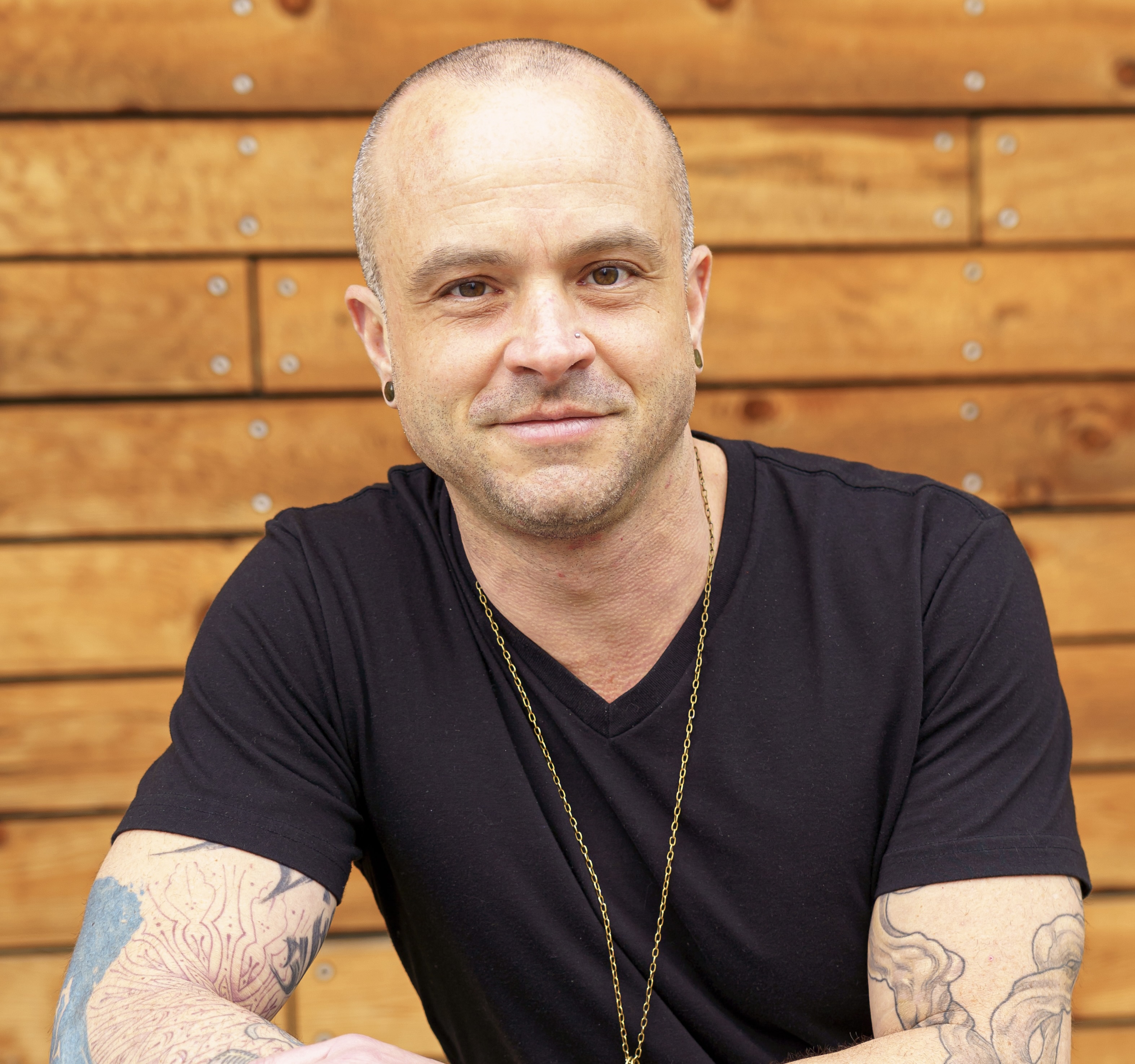
Matthew Myro Rothman is Chief Science Officer and VP of Marketing at EM2P2 and CannaLnx, where he helps bridge medical cannabis, healthcare infrastructure, patient education, and emerging technology. A lifelong musician, writer, philosopher, and cannabis science expert, Matthew spent more than 15 years working in cultivation, consulting, and medical cannabis operations throughout California before returning to Ohio to help shape the future of intelligent cannabis medicine. He holds a graduate degree in Philosophy, Cosmology, and Consciousness from California Institute of Integral Studies and writes extensively on cannabis science, consciousness, wellness, and human performance.
Please note: You are not currently logged in. Only members can contribute comments. If you would like to contribute click the button below.
