
Cannabinoids for Anxiety and Sleep Disturbances?

Cannabinoids, especially CBD, show potential to reduce anxiety and support sleep, but results are inconsistent across studies
Anxiety and sleep disturbances are biologically linked through shared neurological and hormonal pathways
THC may help with sleep onset at low doses but can worsen anxiety and disrupt sleep architecture at higher doses
Research is limited by inconsistent formulations, dosing, and study design, making conclusions difficult
Cannabinoids may serve as supportive tools, but not replacements for established treatments
Cannabinoids, particularly CBD, may help reduce anxiety and improve sleep in some individuals by modulating neurotransmitters and stress pathways. However, inconsistent research and varying responses mean they are not universally effective or clinically standardized treatments.
Anxiety and sleep issues do not just co-exist, they reinforce each other. When sleep is disrupted, the nervous system becomes more reactive. When anxiety rises, sleep becomes fragmented.
Anxiety and sleep disturbance are not separate conditions. They are interconnected expressions of dysregulated neural systems.
This bidirectional loop is neurological, hormonal, and bioelectrical. It helps explain why many individuals turn to cannabinoids for relief, even as clinical evidence remains incomplete.
A scoping review published in Medical Cannabis and Cannabinoids evaluated over 1,100 studies and identified 29 that met inclusion criteria, highlighting both promise and uncertainty in cannabinoid-based interventions (https://karger.com/mca/article/6/1/1/835005).
The central message from the research is clear but qualified.
Cannabinoids may reduce anxiety and improve sleep in some individuals, but outcomes vary significantly based on dose, formulation, and individual biology.
Approximately 45 percent of studies in the review reported positive effects on both anxiety and sleep outcomes.
CBD has emerged as a focal point because of its interaction with multiple regulatory pathways.
CBD does not simply sedate the brain. It modulates signaling systems involved in stress, mood, and arousal.
Research suggests CBD may influence serotonin receptors and other neurotransmitter systems linked to anxiety regulation (https://pubmed.ncbi.nlm.nih.gov/28861486/).
This mechanism helps explain its potential calming effects without the intoxicating profile of THC.
THC presents a more complex picture.
Low doses may help initiate sleep, but higher doses can increase anxiety and disrupt sleep cycles.
THC does not uniformly improve sleep. It alters sleep architecture in ways that may not be restorative.
Studies show THC can reduce REM sleep and affect overall sleep structure
(https://www.sciencedirect.com/science/article/pii/S1087079218300070).
One of the most significant barriers to clarity is inconsistency.
Cannabinoid research varies across multiple dimensions, including product composition, dosage, delivery method, and study population.
This variability makes direct comparison difficult.
Inconsistent methodology does not invalidate results. It limits their generalizability.
Many studies rely on subjective reporting rather than objective measures like polysomnography.
Clinical research from the National Institutes of Health highlights the need for standardized approaches to accurately assess cannabinoid effects on sleep and anxiety (https://www.ncbi.nlm.nih.gov/pmc/articles/PMC6326553/).
Without standardization, the signal remains difficult to isolate from the noise.
Evidence supporting CBD’s anxiolytic effects is growing, particularly in social anxiety and generalized anxiety contexts.
CBD influences anxiety by modulating neurotransmitter systems involved in stress response.
CBD does not eliminate anxiety. It reduces the intensity of the body’s response to it.
Its safety profile appears favorable compared to many pharmaceutical options, though optimal dosing remains unclear.
At the same time, THC can produce the opposite effect in some individuals.
THC can amplify anxiety under certain conditions, especially at higher doses or in sensitive individuals.
This variability reinforces the importance of personalized approaches.
Cannabinoids may help some individuals fall asleep faster and subjectively feel more rested in the short term.
However, objective sleep improvements are less consistent.
Sleep is not just about duration. It is about structure and quality.
Cannabinoids do not consistently improve sleep efficiency, latency, or total duration across studies.
Long-term use introduces additional complexity.
Chronic cannabinoid use may impair sleep quality, and withdrawal can disrupt sleep continuity
(https://www.ncbi.nlm.nih.gov/pmc/articles/PMC2442418/).
This highlights a critical distinction between short-term relief and long-term regulation.
The practical takeaway is nuanced.
Cannabinoids, particularly CBD-dominant formulations, may support individuals dealing with intertwined anxiety and sleep disturbances.
But they are not universal solutions.
Cannabinoids are not cures. They are modulators of systems that influence mood and sleep.
They may be most useful as part of a broader strategy that includes behavioral and lifestyle interventions.
Sleep hygiene, cognitive behavioral therapy, and evidence-based treatments remain foundational.
CBD may complement these approaches, particularly for individuals who do not respond well to traditional medications.
Personalization is essential.
Future studies must move toward standardization and precision.
That includes consistent formulations, clearly defined dosing, and objective outcome measures.
It also requires deeper exploration of the mechanisms linking anxiety and sleep.
Better research does not just confirm outcomes. It explains them.
Only with rigorous data can cannabinoid therapy be navigated with confidence.
CBD may help reduce anxiety and improve sleep in some individuals by influencing neurotransmitter systems and stress responses. However, effects vary widely, and more standardized clinical research is needed.
Yes, THC can increase anxiety and disrupt sleep quality, especially at higher doses or with long-term use. While it may help with sleep onset for some, its effects are not consistently beneficial.
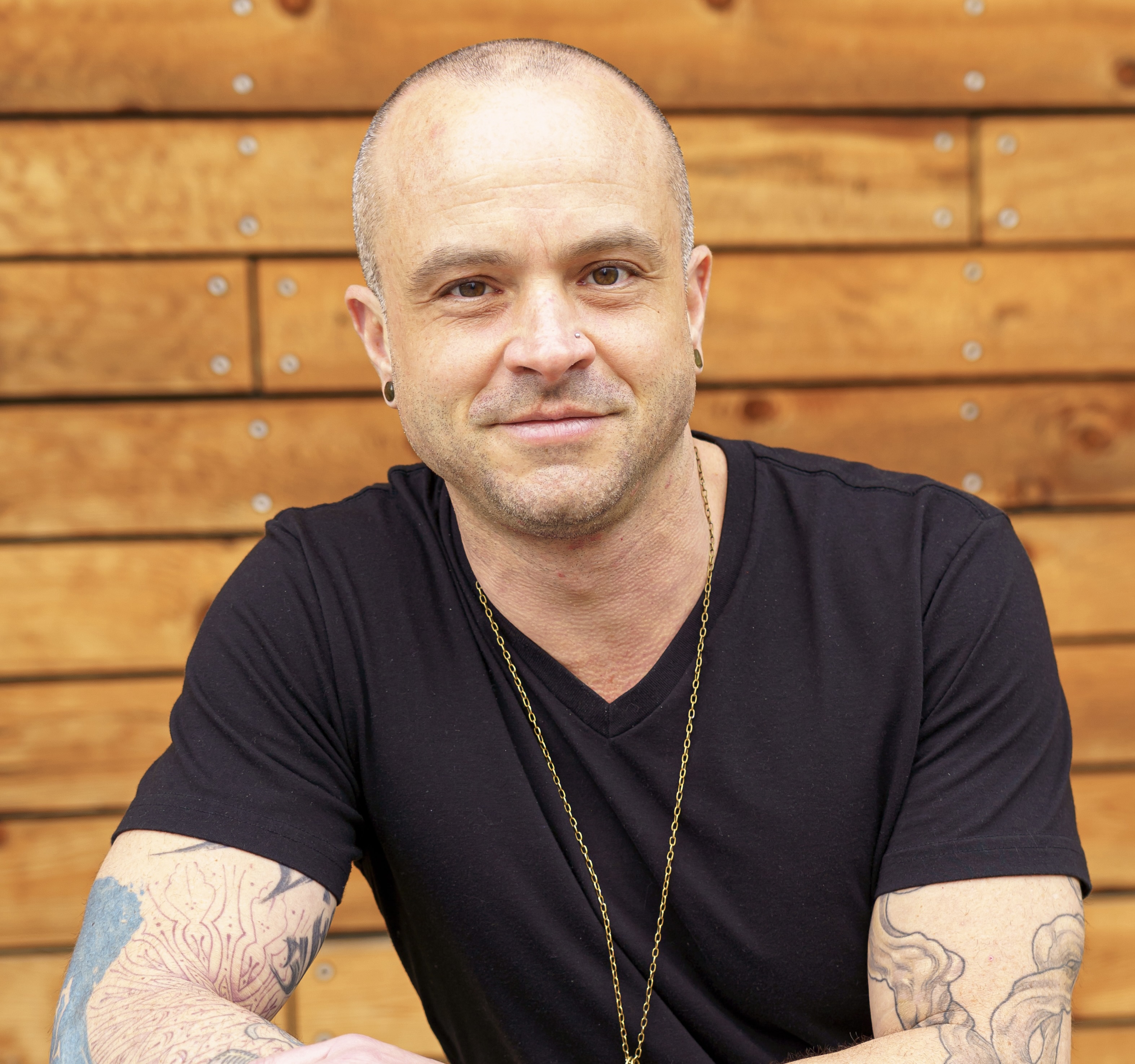
Matthew Myro Rothman is Chief Science Officer and VP of Marketing at EM2P2 and CannaLnx, where he helps bridge medical cannabis, healthcare infrastructure, patient education, and emerging technology. A lifelong musician, writer, philosopher, and cannabis science expert, Matthew spent more than 15 years working in cultivation, consulting, and medical cannabis operations throughout California before returning to Ohio to help shape the future of intelligent cannabis medicine. He holds a graduate degree in Philosophy, Cosmology, and Consciousness from California Institute of Integral Studies and writes extensively on cannabis science, consciousness, wellness, and human performance.
Please note: You are not currently logged in. Only members can contribute comments. If you would like to contribute click the button below.
