
Rare Cannabinoids and Cancer Research: What a New Study Actually Means for Patients

Rare cannabinoids show early anticancer activity in laboratory studies, but this evidence is strictly preclinical
Cell line results do not translate directly into safe or effective human cancer treatments
The endocannabinoid system plays a role in cell signaling and immune regulation, making cannabinoid research biologically plausible
Most cancer therapies fail between early lab findings and human trials due to complexity in living systems
Cannabis currently has a validated role in symptom management, not as a standalone cancer treatment
Rare cannabinoids have shown the ability to inhibit cancer cell growth in laboratory studies, but there is no clinical evidence that they treat cancer in humans. These findings represent early-stage research, not established therapy.
The cannabis plant contains far more than THC and CBD. Researchers have identified more than one hundred cannabinoids, many present only in trace amounts.
Cannabis is not a single compound. It is a chemically diverse system with multiple biologically active molecules.
A recent laboratory study published in Natural Product Research explored how to engineer and isolate rare cannabinoids from Cannabis sativa and evaluate their potential anticancer activity.
Headlines that combine cannabis and cancer tend to move quickly. But patients need clarity more than momentum.
Most cannabis products focus on THC and CBD because they are abundant and well studied. Rare cannabinoids such as CBN, CBC, and CBT exist in much smaller concentrations.
Rare cannabinoids are low-abundance compounds that may have distinct biological effects compared to THC and CBD.
In this study, researchers used chemical transformation techniques to convert common cannabinoids into rarer analogues. The goal was pharmacological exploration, not product development.
Scientists are trying to determine whether these lesser-known cannabinoids interact with biological systems in unique ways that could be therapeutically relevant.
Research on cannabinoid diversity shows these compounds interact with multiple receptor systems involved in inflammation and cell signaling (https://www.ncbi.nlm.nih.gov/pmc/articles/PMC5877694/).
This research was conducted entirely in laboratory conditions.
The investigators tested synthesized cannabinoid compounds against cancer cell lines. These models are commonly used in early-stage oncology research to identify compounds that may inhibit tumor growth.
Cell line studies are not treatments. They are screening tools used to identify biological activity.
Some of the rare cannabinoid analogues demonstrated cytotoxic effects, meaning they inhibited cancer cell growth under controlled conditions.
That is scientifically meaningful, but limited.
Many compounds show cytotoxic effects in vitro. Very few demonstrate safety and effectiveness in humans.
Research from the National Cancer Institute highlights that most anticancer agents fail during the transition from laboratory to clinical trials (https://www.cancer.gov/about-cancer/treatment/research/drug-development).
Cell line studies do not replicate the complexity of the human body.
They do not account for metabolism, immune response, tumor microenvironment, or long-term safety.
A compound that works in a petri dish may fail in a living organism or require unsafe dosing levels.
Cancer biology is not defined by isolated cells. It is shaped by interactions across systems.
This study identifies candidates for further research. It does not establish clinical efficacy or treatment protocols.
Despite limitations, this work is important.
Many modern medicines originated from plant-derived compounds. Paclitaxel, a chemotherapy drug, was developed from the Pacific yew tree. Aspirin traces back to willow bark.
Drug discovery often begins with natural compounds that show biological activity.
The endocannabinoid system plays a role in regulating inflammation, immune function, and cell signaling.
The endocannabinoid system influences tumor-related pathways by regulating cell signaling, inflammation, and immune response.
Foundational research from the National Institutes of Health supports the ECS as a key regulator of physiological balance and cellular communication (https://www.ncbi.nlm.nih.gov/pmc/articles/PMC3997295/).
This makes cannabinoid research biologically plausible, even if it remains early.
For patients, clarity matters.
This study adds to early evidence that cannabinoids may influence cancer-related pathways. It does not demonstrate that cannabis treats cancer.
Cannabis is not an anticancer therapy. It is currently a supportive tool in oncology care.
Clinical evidence supports cannabis for managing symptoms such as nausea, appetite loss, pain, and sleep disturbances in cancer patients
(https://www.cancer.gov/about-cancer/treatment/cam/patient/cannabis-pdq).
Direct anticancer effects remain under investigation.
Patients should not replace evidence-based oncology treatments with unproven cannabinoid therapies.
At the same time, it is reasonable to remain informed and cautiously optimistic as research evolves.
Hope is grounded in evidence. Hype is built on extrapolation.
Some rare cannabinoids have shown the ability to inhibit cancer cell growth in laboratory studies. However, these findings are preclinical and do not demonstrate effectiveness or safety in humans.
No, cannabis should not replace standard cancer treatments such as chemotherapy or radiation. It is currently used to manage symptoms, not to treat or cure cancer itself.
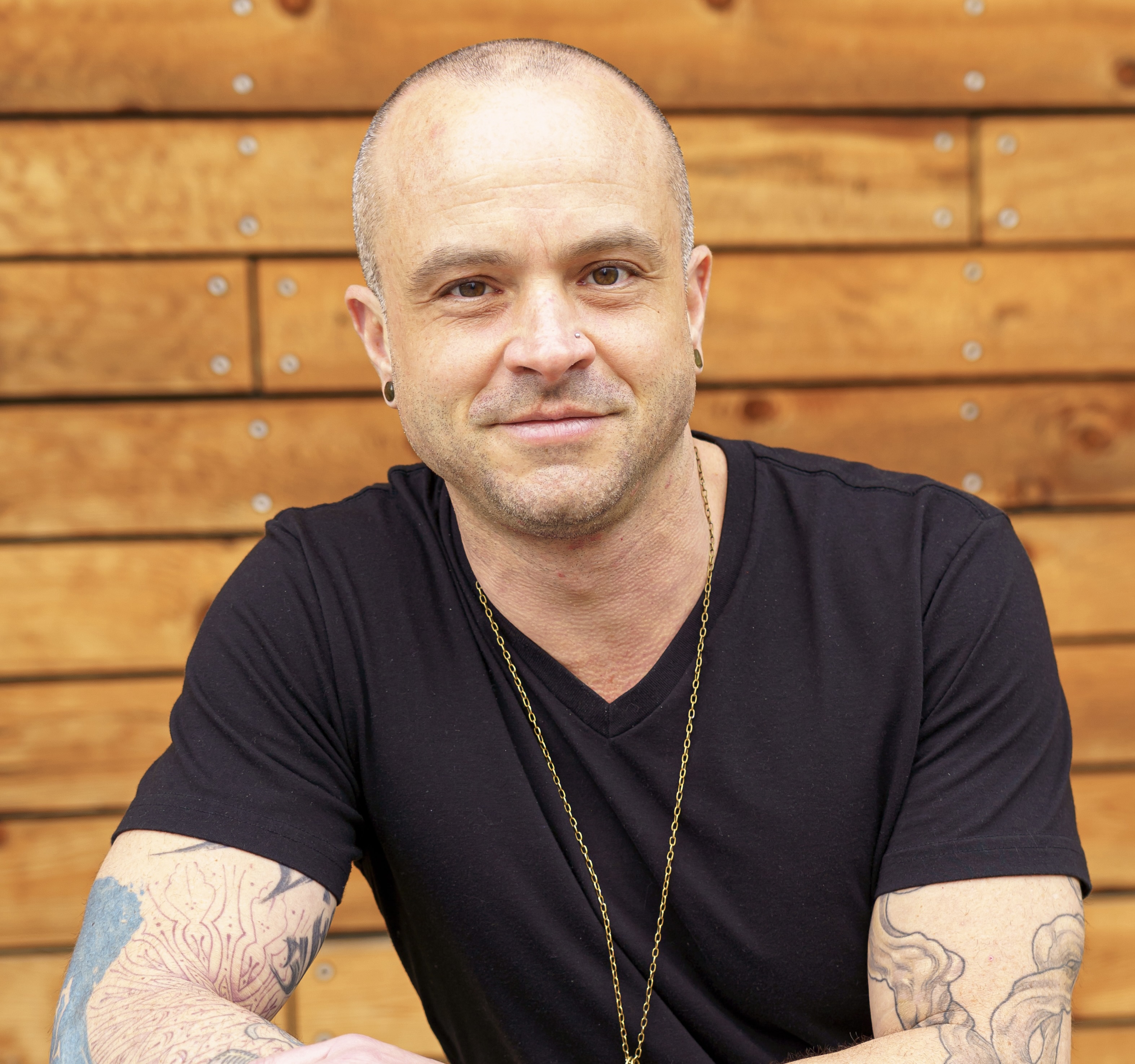
Matthew Myro Rothman is Chief Science Officer and VP of Marketing at EM2P2 and CannaLnx, where he helps bridge medical cannabis, healthcare infrastructure, patient education, and emerging technology. A lifelong musician, writer, philosopher, and cannabis science expert, Matthew spent more than 15 years working in cultivation, consulting, and medical cannabis operations throughout California before returning to Ohio to help shape the future of intelligent cannabis medicine. He holds a graduate degree in Philosophy, Cosmology, and Consciousness from California Institute of Integral Studies and writes extensively on cannabis science, consciousness, wellness, and human performance.
Please note: You are not currently logged in. Only members can contribute comments. If you would like to contribute click the button below.
