
How Hemp Flower Oil Works as a Natural Anti-Inflammatory for Acne Management
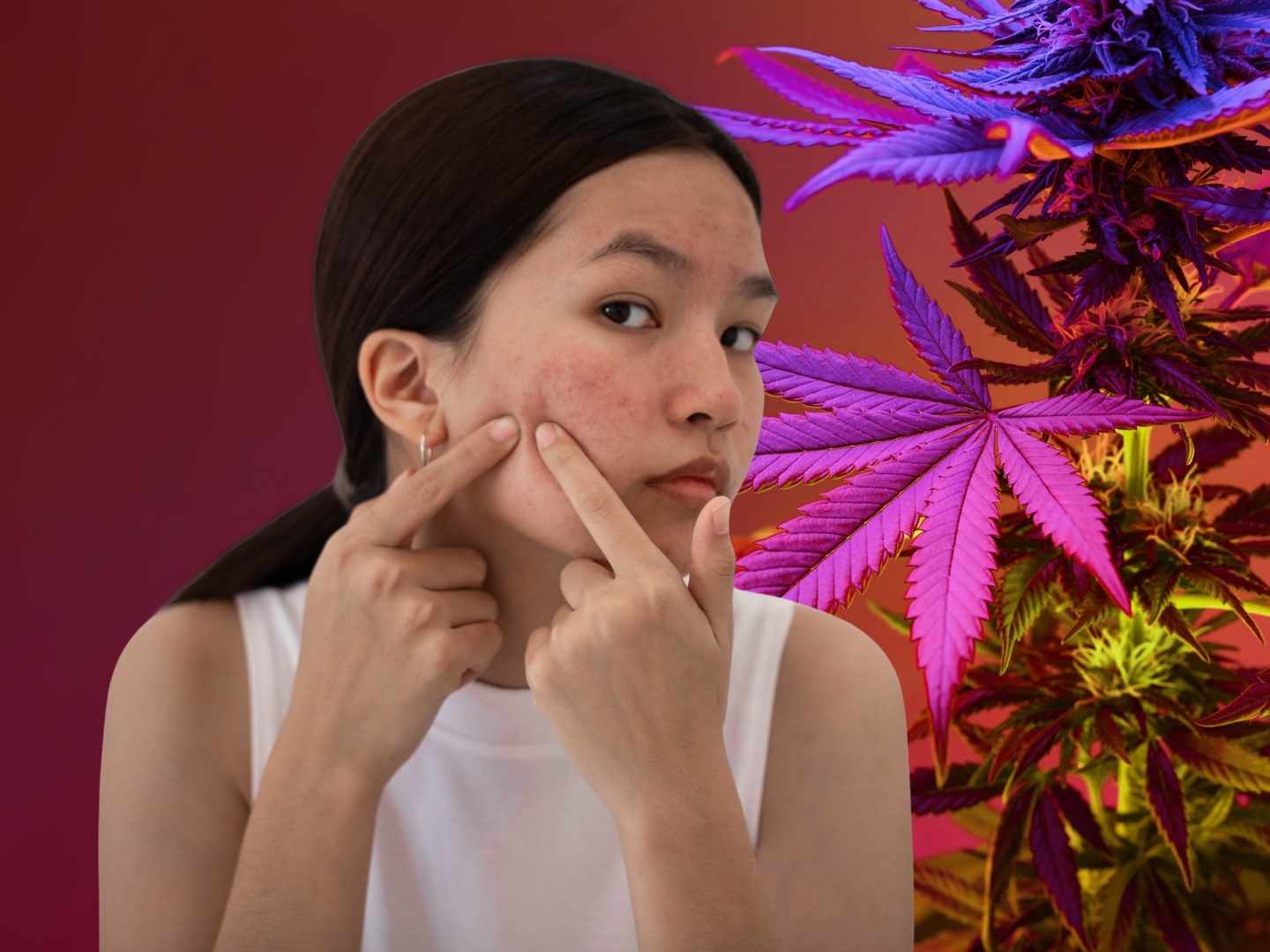
Hemp flower oil targets acne by modulating inflammation, regulating sebum, and influencing microbial activity at the skin level.
CBD does not just soothe irritation. It regulates cytokine signaling and sebocyte behavior linked to acne formation.
Early evidence shows reduced lesion counts and improved skin balance, but large-scale clinical trials are still lacking.
Hemp oil’s fatty acid profile supports the skin barrier without clogging pores, making it suitable for acne-prone skin.
Current use should be viewed as complementary, not a replacement for established dermatological treatments.
Hemp flower oil may help manage acne by reducing inflammation, balancing sebum production, and inhibiting acne-related bacteria like Cutibacterium acnes. However, current evidence is mostly preclinical and early clinical, meaning it supports potential benefits but does not yet establish hemp oil as a definitive acne treatment.
A Clear Look at the Evidence
Acne vulgaris is one of the most common skin conditions worldwide. It is driven by inflammation, excess sebum, microbial overgrowth, and disrupted skin barriers. Conventional treatments like antibiotics and retinoids help some patients, but they also bring side effects and questions about long-term safety and resistance. As demand grows for plant-based skin care backed by solid science, industrial hemp flower oil has emerged as a topical nutraceutical with potential anti-inflammatory and antimicrobial benefits .
“Acne is not just a surface condition. It is a localized inflammatory disorder driven by immune signaling, lipid imbalance, and microbial interaction.”
This article synthesizes the current evidence on hemp-derived compounds, especially cannabidiol (CBD) and essential fatty acids, and how they may support acne-prone skin.
Hemp flower oil is derived from the blossoms of Cannabis sativa and contains a spectrum of bioactive compounds. Unlike high-THC cannabis products, hemp flower oil used in topical applications is chosen for its non-psychoactive phytochemicals, particularly CBD, and a profile of fatty acids that interact with the skin’s biology without systemic intoxication.
“Hemp flower oil is not a cosmetic trend. It is a biologically active extract that interfaces directly with skin signaling systems.”
In acne, the goal is not to alter consciousness. It is to reduce inflammation, normalize sebum production, and support the skin’s barrier. Hemp flower oil contains multiple molecular players that act within those specific pathways.
One of the key drivers of acne is inflammation around hair follicles and sebaceous glands. Pro-inflammatory cytokines like interleukin-1β (IL-1β), interleukin-8 (IL-8), and tumor necrosis factor-alpha (TNF-α) play major roles in lesion formation. CBD has been shown to reduce inflammatory cytokine production in human skin cells, indicating a direct regulatory effect on inflammation (https://pubmed.ncbi.nlm.nih.gov/25969405/).
“CBD does not simply reduce redness. It regulates the cytokine signals that create it.”
This modulation occurs through interaction with the skin’s endocannabinoid system and related receptors involved in immune response. The endocannabinoid system regulates skin homeostasis, including inflammation and sebaceous gland activity (https://www.ncbi.nlm.nih.gov/pmc/articles/PMC2757311/).
“Inflammation in acne is not random. It is orchestrated through signaling pathways that cannabinoids can influence.”
Unlike medications that suppress inflammation broadly, hemp extracts appear to act more selectively within pathways relevant to acne lesions.
Sebum overproduction is a hallmark of acne. CBD has been shown to exert sebostatic effects by inhibiting lipid synthesis in sebocytes and normalizing oil production (https://www.ncbi.nlm.nih.gov/pmc/articles/PMC4110203/).
“Sebum is not the problem by itself. Dysregulated sebum production is what drives acne formation.”
Hemp oil is also rich in omega-3 and omega-6 fatty acids, which play roles in lipid metabolism and anti-inflammatory pathways. These fatty acids help strengthen the skin’s hydrolipidic barrier, support sebum balance, and reduce the likelihood of clogged pores.
Unlike heavier oils that can worsen breakouts, hemp oil’s fatty acid profile is non-comedogenic while still nourishing the skin.
A central microbial contributor to acne is Cutibacterium acnes. Some research indicates that cannabinoids exhibit antimicrobial activity against gram-positive bacteria, including strains associated with acne (https://www.ncbi.nlm.nih.gov/pmc/articles/PMC3763649/).
“Acne bacteria do not just exist on the skin. They interact with inflammation to amplify disease.”
Hemp flower oil may also interfere with bacterial biofilm formation, which can reduce microbial persistence and inflammatory signaling. If confirmed in larger studies, this suggests a dual mechanism where hemp compounds reduce both inflammation and microbial triggers.
Across a range of in vitro and early clinical studies, topical CBD-containing formulations have been associated with reduced inflammatory lesion counts, decreased redness, improved sebum balance, and favorable tolerability .
However, the current literature does not yet include large-scale, randomized controlled trials with standardized outcomes.
“Early clinical signals are promising, but they are not the same as definitive evidence.”
This distinction is critical for both patients and clinicians evaluating emerging therapies.
Most topical hemp-based products show good short-term tolerability, with mild irritation being uncommon. However, product quality, extraction methods, and cannabinoid concentrations vary widely across manufacturers.
Cannabinoids can also influence skin and systemic enzyme pathways, which may affect how other compounds are processed (https://www.ncbi.nlm.nih.gov/pmc/articles/PMC7055953/).
“Natural does not mean standardized. Variability is one of the biggest challenges in hemp-based therapeutics.”
Long-term safety data and standardized dosing protocols are still needed, particularly for consistent clinical use.
Hemp flower oil and CBD-based topicals show promise as anti-inflammatory and sebostatic agents in acne management. Their molecular actions align with known acne-related pathways, and early evidence suggests they improve key markers of skin health.
“Hemp-derived compounds align with acne biology. Clinical validation is still catching up.”
But because large, high-quality clinical trials are not yet available, hemp-based topical products should be viewed as complementary options rather than replacements for evidence-based acne therapies when those are needed .
Does hemp oil actually help acne?
Hemp oil may help reduce acne by lowering inflammation, balancing sebum production, and inhibiting acne-related bacteria. However, most evidence is early-stage, so results can vary and it should not replace proven treatments when those are required.
Is hemp oil safe for acne-prone skin?
Hemp oil is generally considered non-comedogenic and well-tolerated, meaning it is unlikely to clog pores. Still, product quality varies, so choosing well-formulated, tested products is important.

Matthew Myro Rothman is Chief Science Officer and VP of Marketing at EM2P2 and CannaLnx, where he helps bridge medical cannabis, healthcare infrastructure, patient education, and emerging technology. A lifelong musician, writer, philosopher, and cannabis science expert, Matthew spent more than 15 years working in cultivation, consulting, and medical cannabis operations throughout California before returning to Ohio to help shape the future of intelligent cannabis medicine. He holds a graduate degree in Philosophy, Cosmology, and Consciousness from California Institute of Integral Studies and writes extensively on cannabis science, consciousness, wellness, and human performance.
Please note: You are not currently logged in. Only members can contribute comments. If you would like to contribute click the button below.
