
A Very Cannabis Christmas
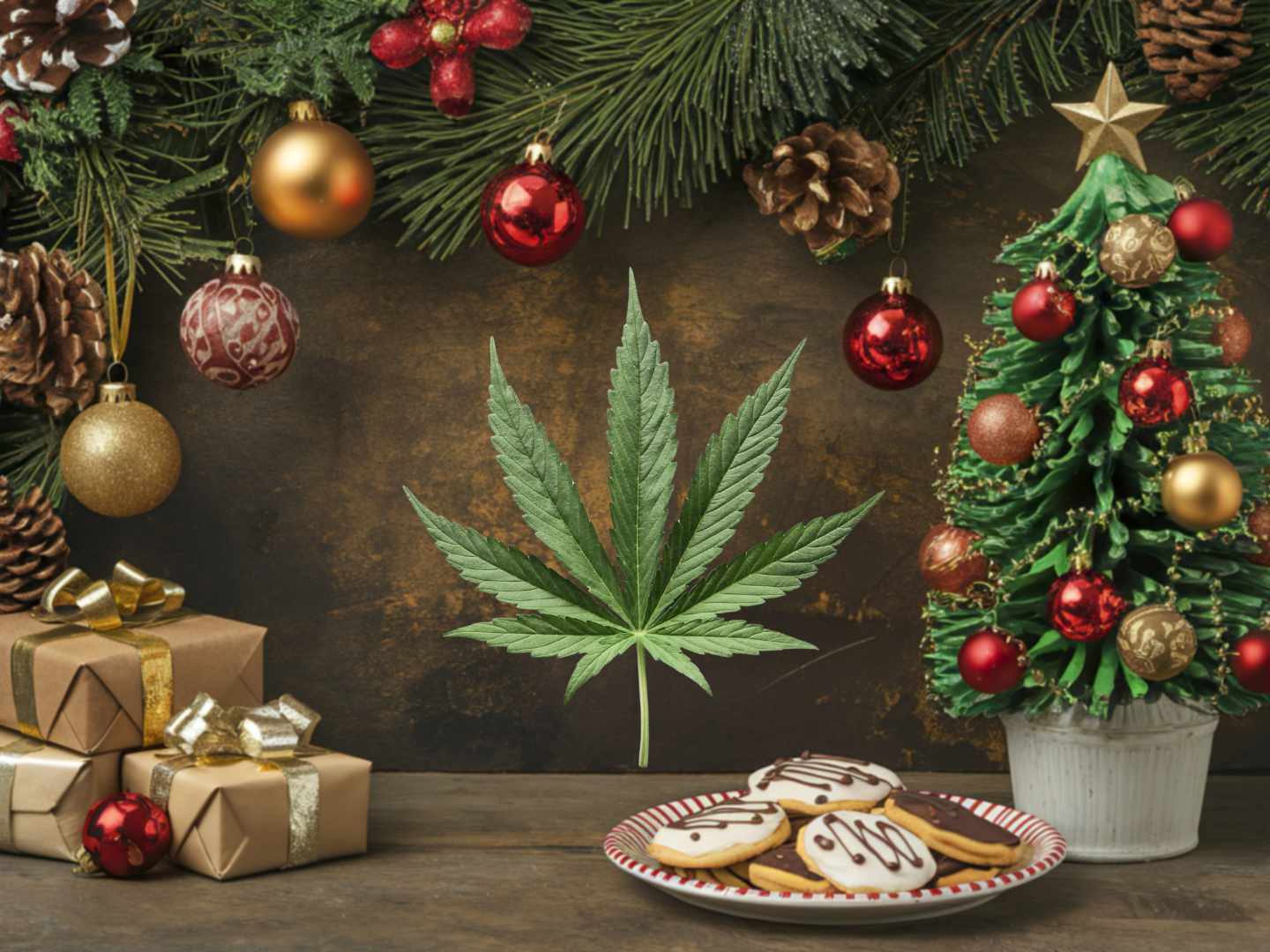
Holiday stress amplifies pain, anxiety, sleep disruption, and inflammation, especially in patients with chronic conditions.
Medical cannabis interacts with the endocannabinoid system, which regulates mood, pain, sleep, and stress response.
CBD and THC can support nervous system balance when used intentionally and at appropriate doses.
Cannabis may enhance presence and emotional regulation rather than promote avoidance or sedation.
Thoughtful use can replace less effective coping tools like excess alcohol or poor sleep habits.
Medical cannabis may help patients manage holiday stress, pain, and sleep disruption by regulating the nervous system through the endocannabinoid system. When used thoughtfully, it supports presence and balance rather than escape.
Christmas has a way of turning even the most grounded people into stressed-out versions of themselves. Airports become pressure chambers. Family dynamics intensify. Sleep routines unravel. For many patients, the holidays quietly amplify pain, anxiety, insomnia, inflammation, and unresolved physical strain.
“Holiday stress is not just emotional. It is physiological.”
This is where medical cannabis enters the conversation, not as novelty, but as a functional tool grounded in biology.
Cold weather increases muscle stiffness and joint discomfort. Travel disrupts circadian rhythms. Social stress elevates cortisol and sympathetic nervous system activity (https://www.ncbi.nlm.nih.gov/pmc/articles/PMC5579396/).
“The nervous system does not distinguish between emotional stress and physical strain. It responds to both the same way.”
For patients with chronic pain, autoimmune conditions, PTSD, anxiety, or sleep disorders, these stressors compound. The result is a system pushed out of balance.
Medical cannabis interacts with the endocannabinoid system, which regulates mood, pain perception, inflammation, sleep, appetite, and stress response (https://www.ncbi.nlm.nih.gov/pmc/articles/PMC3997295/).
“The endocannabinoid system is not optional. It is a central regulator of physiological balance.”
A targeted cannabinoid profile may help reduce inflammatory signaling, calm neural overactivity, and support more stable sleep patterns.
There is a persistent misconception that cannabis is about disconnection. In medical use, the opposite is often true.
“Cannabis is not about tuning out. It is about restoring the ability to stay engaged.”
Appropriate dosing may help patients feel more regulated, less reactive, and more capable of navigating emotionally charged environments. CBD can reduce anxiety through interaction with serotonin receptors, particularly 5-HT1A pathways (https://pubmed.ncbi.nlm.nih.gov/30155635/).
“CBD does not sedate the mind. It modulates the systems that generate anxiety.”
Low-dose THC, when paired with CBD, may reduce pain and tension without impairing awareness. This balance allows patients to remain present rather than overwhelmed.
The holidays already revolve around ritual. Meals, music, shared time. Cannabis can fit into this structure when used with intention.
Low-dose formulations taken earlier in the evening may support digestion and reduce discomfort. Cannabinoids have been shown to influence gastrointestinal motility and inflammation (https://www.ncbi.nlm.nih.gov/pmc/articles/PMC6150799/).
“Ritual is not what you do. It is how consistently you support your system.”
Topicals can ease muscle soreness after long days. Vaporized products with calming terpene profiles may offer an alternative to alcohol, which is known to disrupt sleep architecture and recovery (https://www.ncbi.nlm.nih.gov/pmc/articles/PMC5821259/).
“Alcohol fragments sleep. Regulation requires stability, not sedation.”
For some patients, this becomes a more sustainable way to move through the season.
Christmas is often loud, both externally and internally. Noise, obligation, expectation.
“Joy does not come from intensity. It comes from regulation.”
Medical cannabis, when used intentionally and under appropriate guidance, may help reduce the physiological noise. It can lower the volume on pain and stress, allowing quieter experiences to emerge.
That might look like better sleep, reduced reactivity, or simply the ability to sit comfortably through a long dinner.
As medical cannabis becomes more integrated into healthcare, the conversation is shifting. It is no longer about whether it works, but how to use it intelligently.
“Health is not theoretical. It is experienced in moments.”
The holidays reveal where systems are strained. They also reveal what helps restore balance.
A very cannabis Christmas is not about indulgence or escape. It is about regulation, presence, and relief.
Can medical cannabis help with holiday stress and anxiety?
Medical cannabis may help reduce stress and anxiety by regulating the nervous system through the endocannabinoid system. Effects vary depending on dose, cannabinoid profile, and individual response.
Is cannabis better than alcohol for relaxation during the holidays?
Cannabis may support relaxation without the same degree of sleep disruption associated with alcohol. However, effects depend on dosage and product type, and both should be used responsibly.
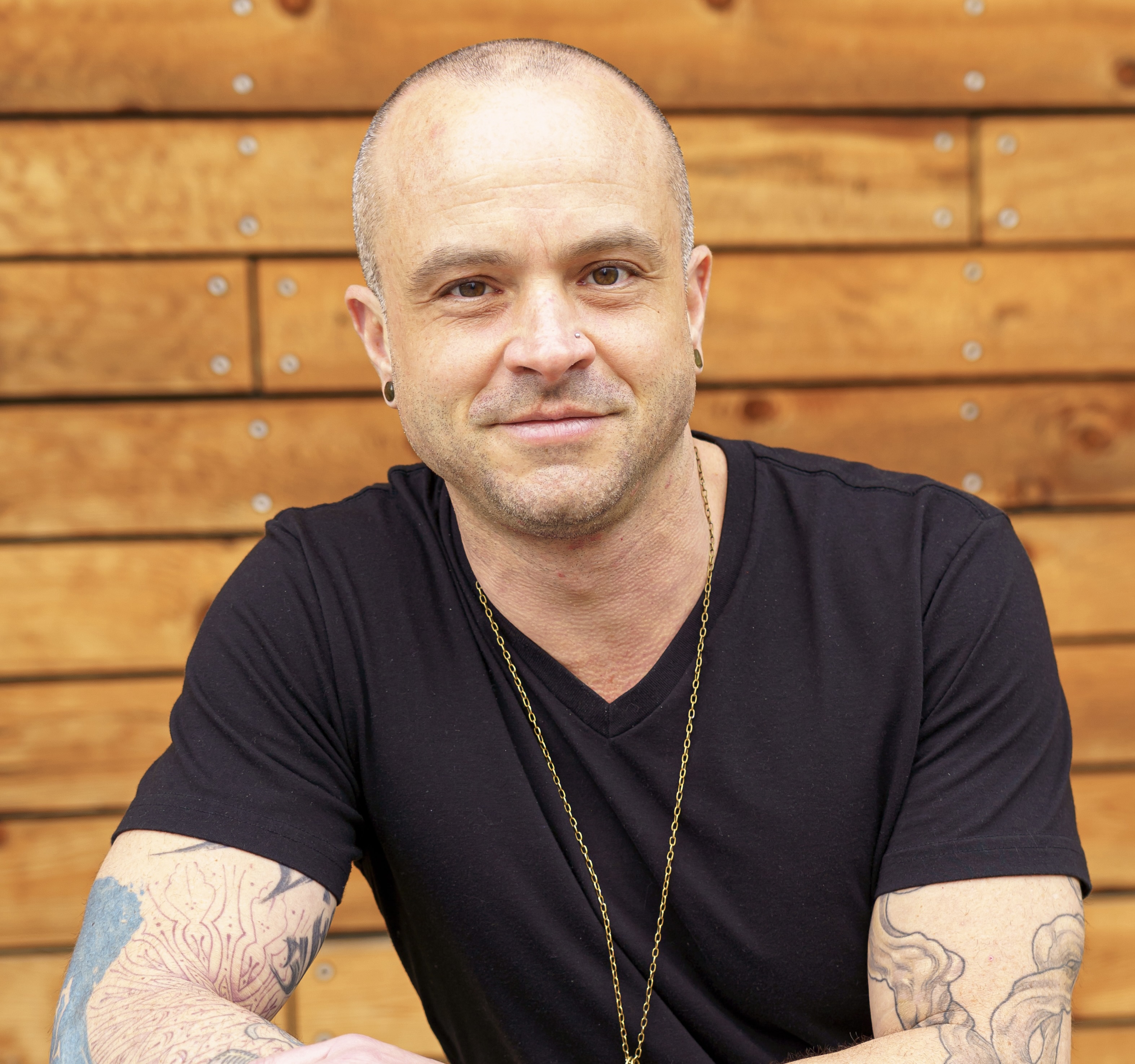
Matthew Myro Rothman is Chief Science Officer and VP of Marketing at EM2P2 and CannaLnx, where he helps bridge medical cannabis, healthcare infrastructure, patient education, and emerging technology. A lifelong musician, writer, philosopher, and cannabis science expert, Matthew spent more than 15 years working in cultivation, consulting, and medical cannabis operations throughout California before returning to Ohio to help shape the future of intelligent cannabis medicine. He holds a graduate degree in Philosophy, Cosmology, and Consciousness from California Institute of Integral Studies and writes extensively on cannabis science, consciousness, wellness, and human performance.
Please note: You are not currently logged in. Only members can contribute comments. If you would like to contribute click the button below.
