
New York Study Shows Medical Cannabis Linked to Lower Opioid Use

Patients in a regulated medical cannabis program showed a 22 percent reduction in opioid dosing over 18 months.
Cannabis use was associated with incremental monthly decreases in opioid exposure, suggesting a substitution pattern.
The effect appears linked to cannabinoids modulating pain and stress pathways rather than replacing opioids directly.
Even modest dose reductions can meaningfully lower long-term risk in chronic pain management.
This is observational evidence, not proof of causation, but it reflects real-world clinical patterns worth further study.
Medical cannabis use was associated with reduced opioid prescribing in chronic pain patients over time, with a 22 percent drop in average daily dose. While not definitive proof of causation, the data suggest cannabis may help some patients reduce reliance on opioids in a supervised clinical setting.
A federally funded study published in JAMA Internal Medicine examined how participation in New York’s medical cannabis program influenced opioid use over time. The findings add to a growing body of real-world evidence suggesting cannabis may play a role in reshaping pain management strategies.
“Cannabis is not replacing opioids. It may be reducing the need for them.”
This distinction is subtle but important.
The study followed 204 adults with chronic pain who were newly enrolled in the New York State Medical Cannabis Program between 2018 and 2023. Researchers tracked both cannabis and opioid prescriptions using the state’s Prescription Monitoring Program over an 18-month period.
At baseline, participants were using relatively high opioid doses, averaging 73.3 milligrams of morphine equivalents per day. By month 18, that number dropped to approximately 57 milligrams per day.
“A 22 percent reduction in opioid dosing represents a meaningful shift in long-term risk exposure.”
During months when patients received a 30-day supply of medical cannabis, they used about 3.5 fewer milligrams of morphine equivalents per day compared to months without cannabis.
Chronic pain and opioid dependency remain deeply intertwined public health challenges. Long-term opioid use carries risks including tolerance, dependence, and overdose (https://www.ncbi.nlm.nih.gov/books/NBK448203/).
“Opioids reduce pain signals. They do not resolve the underlying drivers of chronic pain.”
Even small reductions in opioid exposure can translate into meaningful decreases in long-term harm. Gradual tapering is often safer than abrupt discontinuation, allowing patients to adapt without severe withdrawal.
“Safer pain management is not about elimination. It is about reduction and regulation.”
This study reflects a pattern of gradual change rather than sudden substitution.
Cannabis and opioids act on different but overlapping systems in the body. Opioids bind directly to opioid receptors to blunt pain signaling. Cannabinoids interact with the endocannabinoid system, which regulates pain perception, inflammation, and stress response.
“Cannabinoids do not block pain directly. They regulate the systems that shape how pain is experienced.”
The endocannabinoid system influences nociception, or the perception of pain, through modulation of neural and immune pathways (https://www.ncbi.nlm.nih.gov/pmc/articles/PMC2503660/).
THC and CBD may provide enough analgesic and regulatory effect to reduce the need for higher opioid doses in some patients. This does not eliminate pain, but it may change how it is managed.
“Pain management is not binary. It is a balance of inputs across multiple systems.”
This study aligns with broader research suggesting a relationship between cannabis access and reduced opioid prescribing. Population-level analyses have found associations between cannabis legalization and declines in opioid prescriptions and related harms (https://www.ncbi.nlm.nih.gov/pmc/articles/PMC6135562/).
Surveys also indicate that some patients substitute cannabis for prescription medications when given access.
“Substitution does not mean replacement. It reflects a shift in how patients manage symptoms.”
However, these patterns remain complex and influenced by factors such as access, formulation, and individual patient response.
This study is observational. It tracks real-world behavior but does not establish causation.
“Association is not causation. It is a signal that requires deeper investigation.”
Prescription data shows what was dispensed, not how patients felt or functioned. Pain relief, quality of life, and functional outcomes were not directly measured.
Additionally, participants were enrolled in a regulated medical program with clinical oversight. These conditions may not reflect broader or unregulated use.
This research provides measurable evidence that medical cannabis use is associated with reduced opioid prescribing over time in a controlled program.
“The significance is not in dramatic change. It is in consistent directional movement.”
A 22 percent reduction in opioid dosing is not a cure for chronic pain, but it represents a shift toward lower-risk management strategies.
Cannabis may not replace opioids, but it may help recalibrate how pain is treated.
Can cannabis replace opioids for chronic pain?
Cannabis may help some patients reduce opioid use, but it does not universally replace opioids. Its role appears to be supportive, helping lower reliance rather than eliminate the need entirely.
Is medical cannabis proven to reduce opioid use?
Observational studies show associations between cannabis use and reduced opioid prescribing. However, randomized clinical trials are needed to confirm causation and determine best practices.
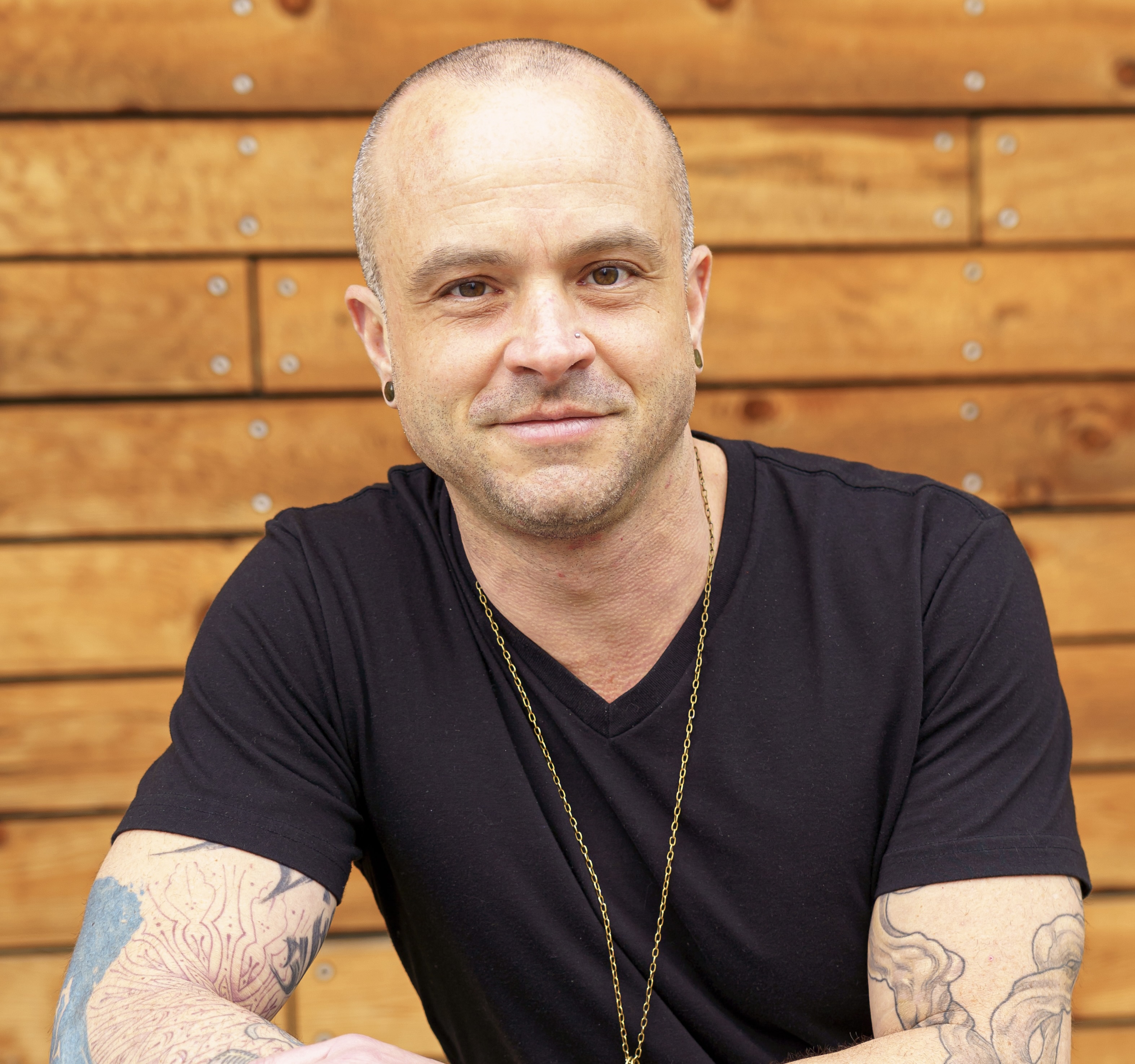
Matthew Myro Rothman is Chief Science Officer and VP of Marketing at EM2P2 and CannaLnx, where he helps bridge medical cannabis, healthcare infrastructure, patient education, and emerging technology. A lifelong musician, writer, philosopher, and cannabis science expert, Matthew spent more than 15 years working in cultivation, consulting, and medical cannabis operations throughout California before returning to Ohio to help shape the future of intelligent cannabis medicine. He holds a graduate degree in Philosophy, Cosmology, and Consciousness from California Institute of Integral Studies and writes extensively on cannabis science, consciousness, wellness, and human performance.
Please note: You are not currently logged in. Only members can contribute comments. If you would like to contribute click the button below.
