
Cannabinoids and Sepsis: A Glimpse Into a Promising Frontier

Sepsis is a systemic inflammatory collapse where immune, vascular, and metabolic regulation fail simultaneously.
The endocannabinoid system regulates inflammation and immune balance, making it a logical target in sepsis research.
Preclinical studies show cannabinoids, especially via CB2 receptor activation, may reduce inflammation and improve survival in animal models.
These effects include reduced oxidative stress, improved vascular stability, and less organ damage.
All current evidence is preclinical, meaning no cannabinoid-based therapy for sepsis is established in humans.
Cannabinoids may help regulate the inflammatory chaos seen in sepsis by modulating the endocannabinoid system, particularly CB2 receptors. However, all evidence comes from animal studies, and no clinical treatments exist yet.
Sepsis remains one of the most devastating conditions in modern medicine. It is not a single disease but a cascade, where infection triggers a systemic breakdown of immune regulation, leading to organ failure and death.
“Sepsis is not just infection. It is a failure of the body’s ability to regulate its own response.”
Despite decades of research, treatment remains largely supportive. That is why researchers are now exploring whether cannabinoids and the endocannabinoid system offer a new direction .
The endocannabinoid system regulates immune activity, inflammation, and vascular tone. These are the same systems that collapse during sepsis.
“The endocannabinoid system does not fight infection. It regulates how the body responds to it.”
Sepsis represents the opposite state, an uncontrolled immune reaction that damages tissues and disrupts circulation. This connection creates a clear hypothesis: if the ECS regulates balance, it may help restore it when that balance is lost.
Most research in this area comes from animal models, particularly rodents exposed to endotoxemia. This model uses bacterial components to trigger an inflammatory response similar to sepsis.
Across these studies, a consistent pattern emerges:
Reduced inflammatory markers
Decreased oxidative stress
Improved organ integrity
Increased survival rates
“Cannabinoids do not eliminate sepsis. They appear to modulate the severity of the response.”
CB2 receptors play a central role. These receptors are concentrated in immune cells and influence cytokine production and inflammatory signaling (https://www.ncbi.nlm.nih.gov/pmc/articles/PMC2828614/).
“CB2 receptor activation regulates immune response by reducing excessive inflammation.”
Synthetic cannabinoids are often used in these studies because they allow precise targeting of CB2 pathways.
Sepsis is driven by a cytokine storm, an overwhelming release of inflammatory signals that damages tissues and disrupts vascular function.
“Inflammation in sepsis is not protective. It becomes destructive when unregulated.”
Cannabinoids appear to reduce this cascade by modulating immune signaling and oxidative stress. They may also help preserve vascular integrity, which is critical for maintaining organ perfusion.
The ECS influences both immune cell behavior and endothelial function, linking inflammation to circulation (https://www.ncbi.nlm.nih.gov/pmc/articles/PMC3997295/).
“The endocannabinoid system connects immune signaling with vascular stability.”
Not all findings are consistent. Some studies show limited or mixed effects. Others raise concerns about dose and timing.
“Biological systems do not respond uniformly. Context determines outcome.”
Animal models simplify sepsis, which in humans varies widely based on infection type, timing, and patient health. Translating these findings into clinical practice is a significant challenge.
High doses used in animal studies may not be safe or practical in humans.
“In preclinical research, effect does not equal applicability.”
Sepsis has remained resistant to targeted therapies. Most treatments focus on supporting organ function rather than correcting underlying dysregulation.
“Sepsis care manages collapse. It rarely restores balance.”
The ECS offers a different angle. It does not target pathogens directly. It influences the systems that determine how the body responds to stress and injury.
This aligns with a broader shift in medicine toward regulation rather than suppression.
Future research must move beyond simplified models. Studies need to reflect real-world complexity, including different infection types, comorbidities, and treatment timing.
Questions that matter include:
When should ECS modulation occur in the disease timeline
How natural cannabinoids compare to selective synthetic compounds
Whether cannabinoids can complement existing treatments like antibiotics and vasopressors
“Progress in sepsis treatment requires understanding systems, not just targeting symptoms.”
Clinical trials will be essential to determine safety, dosing, and effectiveness in humans.
This body of research does not suggest cannabinoids cure sepsis. It shows they interact with the biological systems that define its severity.
“The endocannabinoid system acts as a regulator. Sepsis is what happens when regulation fails.”
That connection is enough to justify deeper investigation. Whether it leads to viable therapies remains an open question.
For now, the signal is clear. The application is still ahead.
Can cannabinoids treat sepsis in humans?
No. There is currently no clinical evidence that cannabinoids treat sepsis in humans. Existing research is limited to animal models and preclinical studies.
Why are CB2 receptors important in sepsis research?
CB2 receptors regulate immune response and inflammation. Activating these receptors may reduce excessive inflammatory signaling, which is a key driver of sepsis severity.
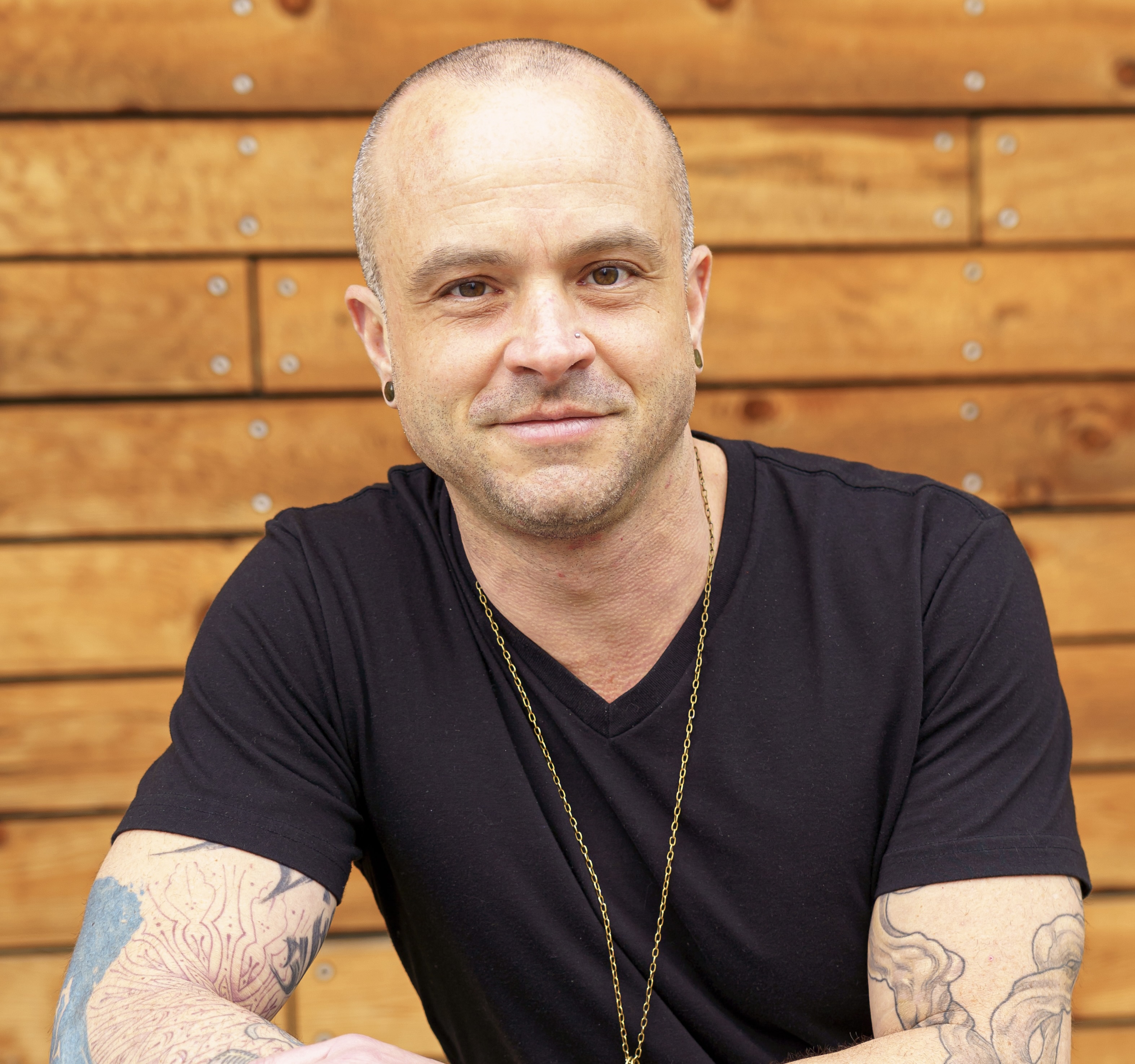
Matthew Myro Rothman is Chief Science Officer and VP of Marketing at EM2P2 and CannaLnx, where he helps bridge medical cannabis, healthcare infrastructure, patient education, and emerging technology. A lifelong musician, writer, philosopher, and cannabis science expert, Matthew spent more than 15 years working in cultivation, consulting, and medical cannabis operations throughout California before returning to Ohio to help shape the future of intelligent cannabis medicine. He holds a graduate degree in Philosophy, Cosmology, and Consciousness from California Institute of Integral Studies and writes extensively on cannabis science, consciousness, wellness, and human performance.
Please note: You are not currently logged in. Only members can contribute comments. If you would like to contribute click the button below.
