
Surveying Cannabis in Therapeutic and Research Contexts: A Fresh Look
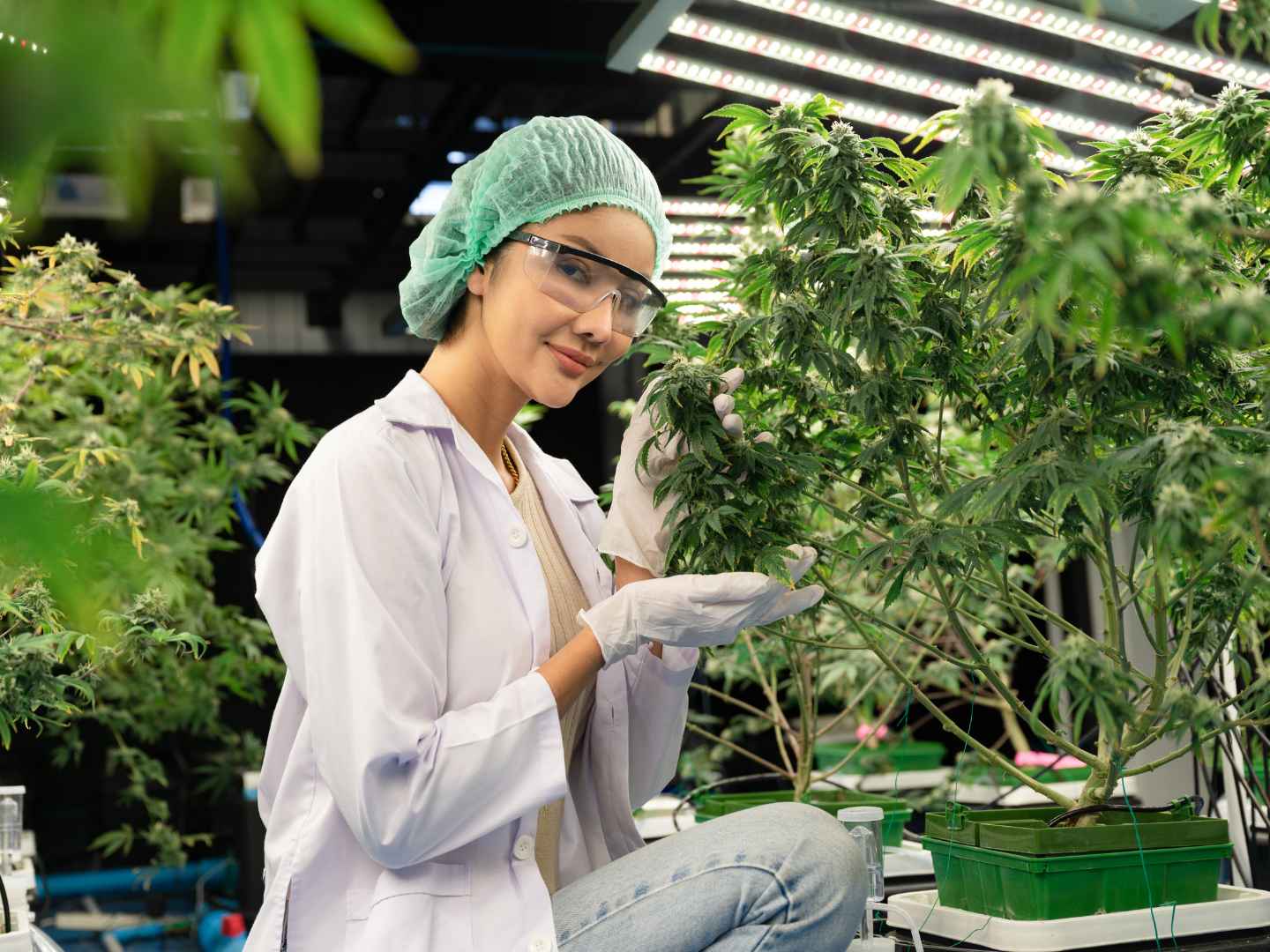
Survey-based research reveals how cannabis is actually used in therapeutic settings, offering real-world context often missing from clinical trials.
Cannabis use appears linked with lifestyle variables such as physical activity, suggesting effects depend on context, not just chemistry.
Self-reported data shows meaningful engagement with cannabis for perceived therapeutic benefit, but does not establish causation.
The lack of standardized dosing and product clarity remains a major barrier to translating patterns into clinical guidance.
Future research must integrate real-world behavior with controlled trials to produce actionable, evidence-based insights.
Survey data shows cannabis is widely used for perceived therapeutic purposes, often alongside active lifestyles. However, these patterns reflect real-world behavior, not proven clinical outcomes, and require controlled studies to establish effectiveness.
The shifting landscape of cannabis research has often been shaped more by anecdote than by structured data. That is why survey-based studies matter. They do not test molecules in isolation. They map how cannabis actually exists in people’s lives.
“Real-world data does not prove efficacy. It reveals context.”
A recent survey study by Spanish researchers takes this approach, examining how cannabis is used therapeutically across a diverse population. The goal was not to validate a specific intervention, but to understand patterns of use, motivations, and behavioral context.
The researchers gathered standardized questionnaires assessing demographics, cannabis use patterns, and physical activity. This approach shifts the lens away from isolated pharmacology and toward lived experience.
“Therapeutic cannabis is not just a compound. It is a behavior embedded in lifestyle.”
This matters because health outcomes are rarely driven by a single variable. Cannabis use intersects with diet, exercise, stress levels, and existing conditions.
Physical activity itself influences endocannabinoid signaling, increasing circulating endocannabinoids like anandamide, which are linked to mood and stress regulation (https://www.ncbi.nlm.nih.gov/pmc/articles/PMC3951958/).
“The endocannabinoid system responds to lifestyle inputs, not just external cannabinoids.”
The survey revealed significant engagement with cannabis for therapeutic purposes, particularly among individuals who are physically active. This dual lens introduces an important shift in thinking.
“We are no longer asking if cannabis works. We are asking who uses it and under what conditions.”
This reframing moves the field toward precision. It acknowledges that outcomes may vary depending on user context rather than assuming uniform effects.
“Context is not noise. It is the signal.”
Survey studies provide breadth. They capture diverse populations, real behaviors, and complex motivations. This makes them valuable for identifying trends that controlled trials might miss.
“Surveys map the terrain. They do not define the destination.”
However, they come with clear limitations. Self-reported data introduces bias. Participants define their own therapeutic use. There is no randomization, no control group, and no standardized intervention.
Without precise information on product composition, dosage, and duration, interpretation becomes constrained.
“Without standardization, data describes patterns but cannot establish causality.”
Cannabis research is evolving beyond simple efficacy questions. The field is beginning to recognize that therapeutic outcomes depend on multiple interacting systems.
“The future of cannabis science is not molecule-centric. It is system-aware.”
This survey reinforces that direction. It highlights the need to understand not just pharmacology, but behavior, environment, and physiology.
The endocannabinoid system itself reflects this complexity. It regulates mood, stress, inflammation, and energy balance, integrating signals across multiple biological domains (https://www.ncbi.nlm.nih.gov/pmc/articles/PMC3997295/).
“The endocannabinoid system is a regulatory network, not a single pathway.”
The logical next step is integration. Survey data must be paired with objective measures such as:
Verified cannabinoid composition
Dose and duration tracking
Biomarkers of response
Clinical outcome measures
This kind of mixed-methods approach can bridge the gap between lived experience and controlled science.
“Progress requires linking behavior with biology.”
Stratifying participants by variables such as physical activity, comorbidities, and prior cannabis exposure will also improve precision.
This study reinforces a central idea: cannabis is already embedded in real-world health behavior. The question is not whether people are using it. It is how and why.
“Cannabis is not just a therapy. It is part of a broader health ecosystem.”
Understanding that ecosystem requires both rigor and humility. Data must be interpreted carefully, without overreaching conclusions.
The field is moving forward. But it is moving through complexity, not around it.
What does survey research tell us about cannabis use?
Survey research shows how people use cannabis in real-world settings, including motivations and patterns. It does not prove effectiveness or establish clinical outcomes.
Why is context important in cannabis research?
Context shapes how cannabis interacts with the body. Factors like lifestyle, activity level, and overall health influence outcomes, making effects variable across individuals.
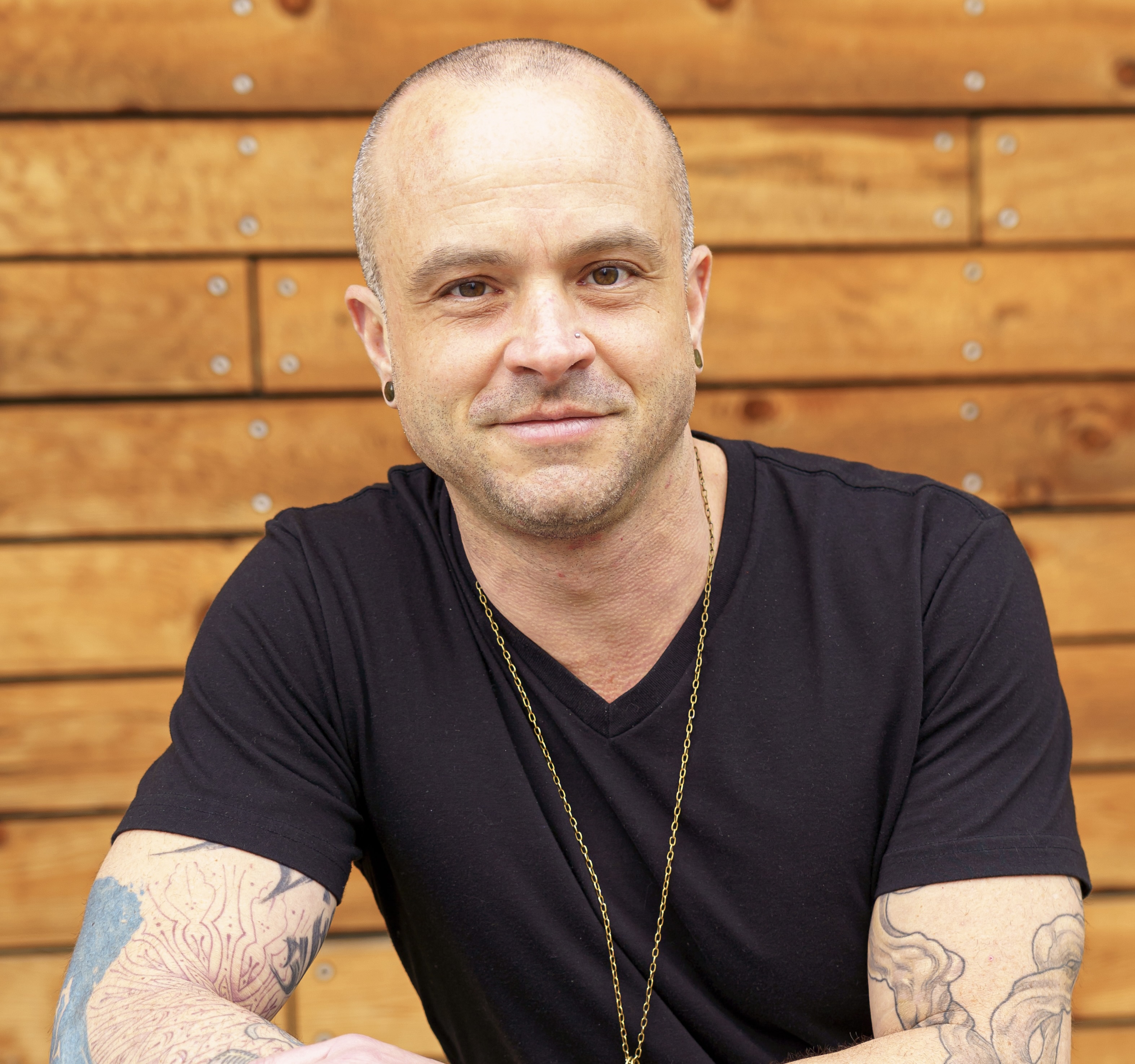
Matthew Myro Rothman is Chief Science Officer and VP of Marketing at EM2P2 and CannaLnx, where he helps bridge medical cannabis, healthcare infrastructure, patient education, and emerging technology. A lifelong musician, writer, philosopher, and cannabis science expert, Matthew spent more than 15 years working in cultivation, consulting, and medical cannabis operations throughout California before returning to Ohio to help shape the future of intelligent cannabis medicine. He holds a graduate degree in Philosophy, Cosmology, and Consciousness from California Institute of Integral Studies and writes extensively on cannabis science, consciousness, wellness, and human performance.
Please note: You are not currently logged in. Only members can contribute comments. If you would like to contribute click the button below.
