
Cannabis Extract in the Treatment of Narcolepsy: A Case Study Worth Noting

A single case report suggests a cannabis extract may improve narcolepsy symptoms and reduce reliance on other medications.
The observed benefit may involve modulation of sleep-wake regulation, mood, or sleep fragmentation rather than a single direct mechanism.
Narcolepsy reflects dysfunction in orexin signaling and sleep architecture, systems that cannabinoids may indirectly influence.
Case reports provide signals, not proof, and cannot establish safety or efficacy across populations.
Controlled clinical trials are required to determine whether cannabinoids have a meaningful role in narcolepsy treatment.
A case report suggests a cannabis extract may improve narcolepsy symptoms and reduce medication burden, but this is early evidence from a single patient. Cannabinoids may influence sleep regulation systems, but no clinical treatment guidelines exist.
Narcolepsy is not simply excessive sleepiness. It is a disorder of disrupted wakefulness, unstable sleep architecture, and impaired neurological regulation.
“Narcolepsy is not just sleep loss. It is a failure of the systems that stabilize wakefulness.”
A recent case report describes a patient with narcolepsy who experienced meaningful improvement after introducing a standardized cannabis extract . The patient reduced reliance on other medications and regained some control over symptoms.
This is a small observation, but it opens a door.
The report suggests the cannabis extract did more than blunt symptoms. It may have altered the pattern of sleep disruption itself.
“A case report does not establish treatment. It identifies possibility.”
In clinical science, that distinction matters. One patient’s experience cannot be generalized, but it can highlight pathways worth investigating.
Narcolepsy is typically treated with stimulants, wake-promoting agents, and sodium oxybate. These approaches manage symptoms but often come with trade-offs.
“Treatment for narcolepsy manages symptoms. It does not restore normal regulation.”
This is why alternative mechanisms draw attention.
Case reports occupy a specific role in research. They are not definitive, but they can reveal unexpected therapeutic signals.
“Evidence begins with observation. It becomes knowledge through replication.”
The cannabis extract’s effect in this case suggests cannabinoids may interact with systems involved in sleep-wake balance. That alone justifies deeper study.
Narcolepsy is strongly associated with dysfunction in orexin, also known as hypocretin, a neuropeptide that stabilizes wakefulness (https://www.ncbi.nlm.nih.gov/books/NBK459236/).
“Orexin signaling maintains wakefulness by stabilizing transitions between sleep and alertness.”
Cannabinoids do not directly replace orexin, but they interact with regulatory systems that influence sleep, mood, and neural signaling. The endocannabinoid system modulates circadian rhythms, stress response, and neurotransmitter balance (https://www.ncbi.nlm.nih.gov/pmc/articles/PMC3997295/).
“The endocannabinoid system does not induce sleep. It regulates the systems that control sleep and wake cycles.”
This creates several plausible explanations for the observed benefit:
Reduction in anxiety or stress that worsens symptoms
Improvement in sleep continuity and architecture
Interaction with neurotransmitter systems involved in alertness
Decreased side effects from other medications
“Clinical effects often emerge from system-level shifts, not single targets.”
For patients, this case offers a signal, not a solution.
“A signal invites investigation. It does not justify immediate adoption.”
There are no clinical guidelines supporting cannabis for narcolepsy. Safety, dosing, and long-term effects remain unclear. Individual responses may vary widely.
At the same time, the case reflects a broader truth. When standard therapies are limited, new approaches deserve careful, rigorous exploration.
To move from possibility to practice, the field needs structured research:
Studies with larger patient populations
Objective sleep measures such as polysomnography
Tracking of daytime function and quality of life
Comparison with standard therapies
Long-term safety data
“Clinical progress requires moving from anecdote to controlled evidence.”
Understanding mechanism will also be critical. Whether cannabinoids influence orexin pathways, inflammatory signaling, or downstream sleep effects remains an open question.
This case report does not redefine narcolepsy treatment. It reframes the conversation.
“Progress in medicine often begins with a single deviation from expectation.”
The cannabis extract did not cure narcolepsy. It shifted the trajectory for one patient. That shift is small, but it is not insignificant.
In a condition where incremental gains matter, even a subtle change can point toward something larger.
“The role of early evidence is not to conclude. It is to direct attention.”
Can cannabis treat narcolepsy?
There is no clinical evidence that cannabis treats narcolepsy. Current data comes from a single case report, which suggests potential but does not establish efficacy or safety.
How might cannabinoids affect sleep disorders like narcolepsy?
Cannabinoids may influence sleep by modulating the endocannabinoid system, which regulates stress, circadian rhythms, and neurotransmitter signaling. These effects could indirectly impact sleep-wake stability.
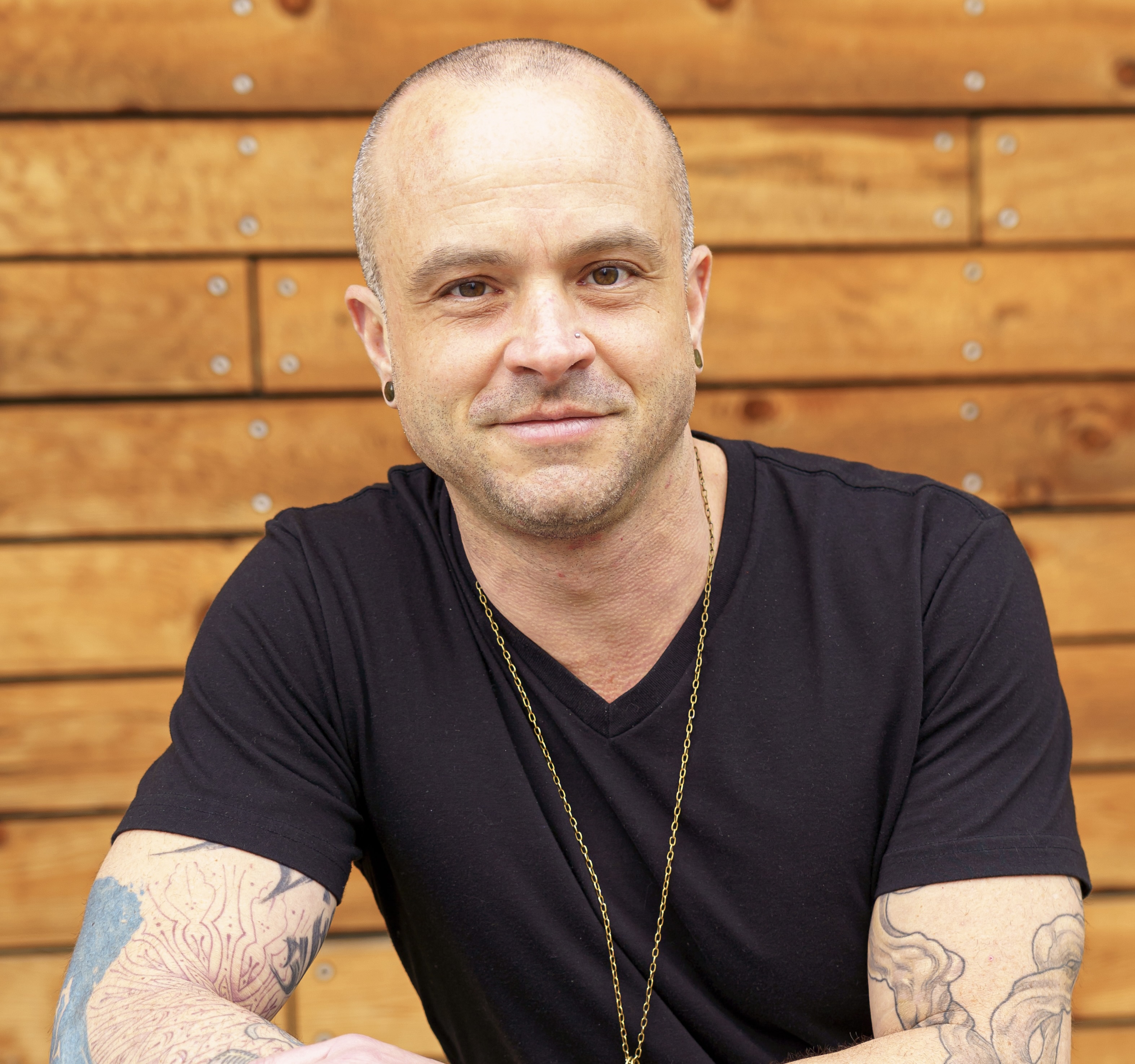
Matthew Myro Rothman is Chief Science Officer and VP of Marketing at EM2P2 and CannaLnx, where he helps bridge medical cannabis, healthcare infrastructure, patient education, and emerging technology. A lifelong musician, writer, philosopher, and cannabis science expert, Matthew spent more than 15 years working in cultivation, consulting, and medical cannabis operations throughout California before returning to Ohio to help shape the future of intelligent cannabis medicine. He holds a graduate degree in Philosophy, Cosmology, and Consciousness from California Institute of Integral Studies and writes extensively on cannabis science, consciousness, wellness, and human performance.
Please note: You are not currently logged in. Only members can contribute comments. If you would like to contribute click the button below.
