
CBD in Skincare: From Hype to Hard Science on Acne, Psoriasis, and Beyond
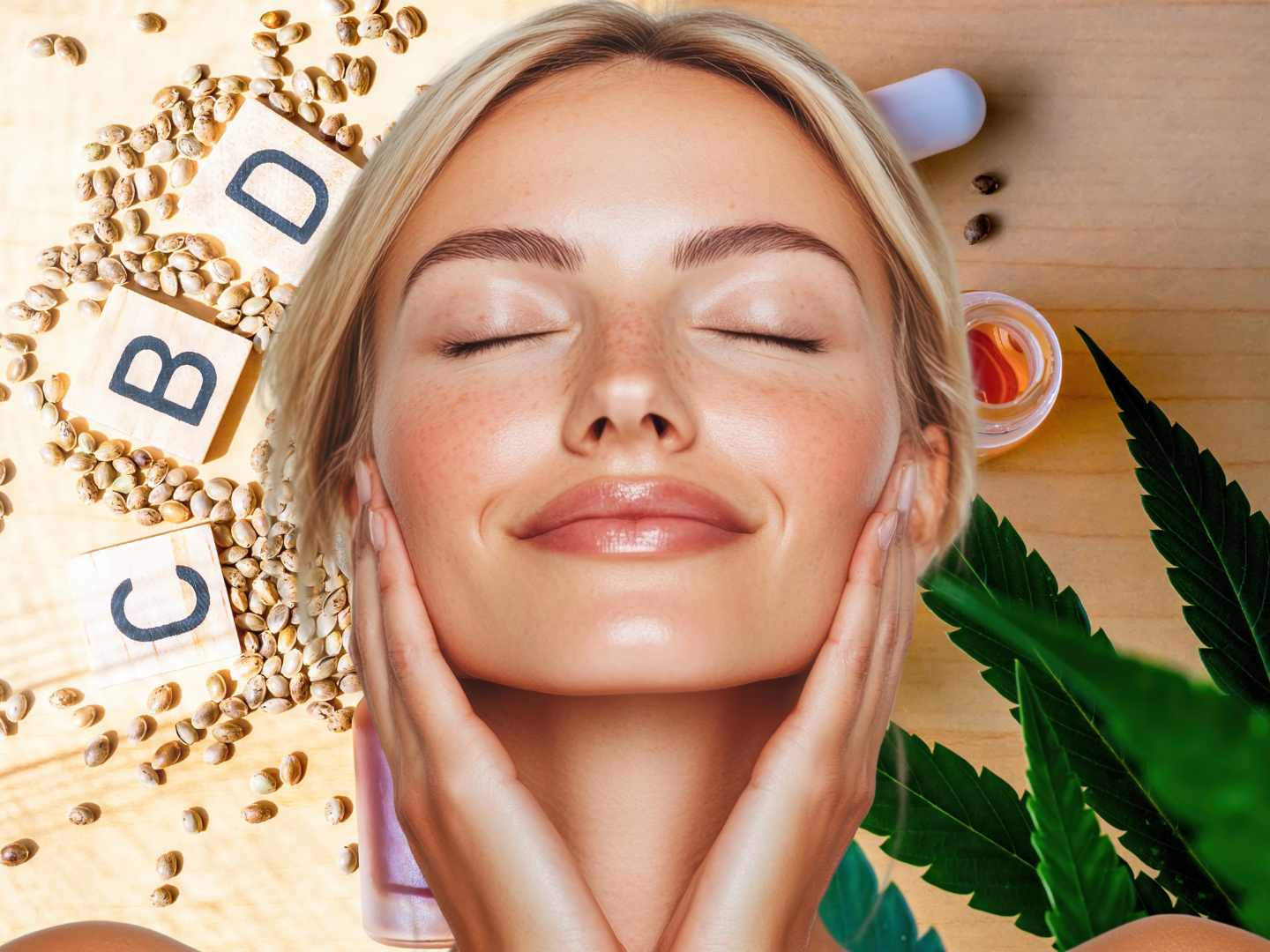
CBD shows real dermatological potential through anti-inflammatory, antioxidant, and sebum-regulating effects.
Evidence suggests benefits for acne, psoriasis, dermatitis, and skin aging, but most data remain early or small-scale.
The endocannabinoid system in the skin regulates inflammation, oil production, and cell turnover, providing a biological basis for CBD’s effects.
Bioavailability remains a key limitation, meaning not all topical CBD products deliver meaningful results.
Lack of regulatory clarity leads to inconsistent product quality and dosing across the skincare market.
CBD may help with acne, inflammation, and skin aging by regulating the skin’s endocannabinoid system and reducing oxidative stress. However, effectiveness depends heavily on formulation, delivery, and product quality, and clinical evidence is still developing.
CBD’s journey into skincare has often sounded more like marketing than medicine. That is starting to change.
“CBD is not just a cosmetic additive. It is a biologically active compound with measurable effects on skin physiology.”
A growing body of research, including a review published in Biomolecules, suggests cannabidiol may play a meaningful role in dermatology, particularly in conditions like acne, psoriasis, and inflammatory skin disorders.
What makes CBD compelling is its multi-layered mechanism of action.
“CBD does not target a single pathway. It regulates multiple processes that drive skin dysfunction.”
CBD exhibits anti-inflammatory, antioxidant, antibacterial, analgesic, and anti-proliferative effects. In practical terms, this means it can:
Reduce inflammatory signaling
Limit bacterial overgrowth linked to acne
Soothe irritation and itching
Slow excessive skin cell turnover
Protect against oxidative stress
These effects are grounded in biology. CBD interacts with the skin’s endocannabinoid system, which regulates inflammation, sebum production, and cellular balance (https://www.ncbi.nlm.nih.gov/pmc/articles/PMC2757311/).
“The skin is not just a barrier. It is an active neuro-immunological organ regulated in part by the endocannabinoid system.”
In acne specifically, CBD has been shown to reduce sebocyte lipid production and inflammation, two core drivers of lesion formation (https://www.ncbi.nlm.nih.gov/pmc/articles/PMC4604171/).
“CBD influences acne by regulating sebum production and inflammatory signaling at the cellular level.”
Another reason CBD is gaining traction is its safety profile.
“Topical CBD is not harsh. It appears to be well tolerated across short-term studies.”
Available clinical data suggest that topical CBD is generally well tolerated, with minimal reports of irritation or allergic reaction. This stands in contrast to many conventional dermatologic treatments that can disrupt the skin barrier.
However, long-term safety data remain limited.
Despite its promise, CBD faces a fundamental challenge.
“CBD in a cream does not guarantee CBD in the skin.”
CBD is lipophilic and poorly water-soluble, which limits its ability to penetrate the skin barrier effectively. Without advanced delivery systems, much of the compound may remain on the surface.
Researchers are addressing this through:
Nanoencapsulation
Liposomal delivery
Microemulsion systems
These approaches aim to improve absorption, stability, and sustained release.
“Delivery is not a detail. It determines whether CBD is active or inert.”
The science is evolving faster than regulation.
“CBD skincare exists in a regulatory gray zone, where labeling does not always reflect biology.”
While hemp-derived CBD is federally legal under the 2018 Farm Bill, the FDA has not established clear guidelines for its use in cosmetics. This leads to wide variability in product quality, concentration, and accuracy of claims.
For consumers, this creates uncertainty. Some products contain clinically relevant doses. Others contain negligible amounts.
Beyond the Biomolecules review, additional research supports CBD’s dermatologic potential.
CBD interacts with CB1 and CB2 receptors, TRPV channels, and PPAR pathways, all of which influence inflammation, sebum production, and cell turnover (https://www.ncbi.nlm.nih.gov/pmc/articles/PMC6770351/).
“The breadth of CBD’s receptor activity explains its wide range of observed skin effects.”
In psoriasis, its anti-proliferative properties may help slow excessive keratinocyte growth. In aging skin, its antioxidant effects counter oxidative stress from UV exposure (https://pubmed.ncbi.nlm.nih.gov/30993303/).
“Oxidative stress accelerates aging. CBD counters it by neutralizing reactive oxygen species.”
Emerging research also points to potential roles in wound healing and pigmentation, though these areas remain exploratory.
CBD is no longer just a buzzword in skincare. It is an emerging therapeutic candidate.
“CBD is not a miracle cure. It is a multi-target modulator with clinical potential.”
To move forward, the field needs:
Larger, controlled human trials
Standardized dosing and formulations
Improved delivery technologies
Regulatory clarity
Consumers should prioritize transparency. Products with third-party testing, clear cannabinoid concentrations, and advanced delivery systems are more likely to be effective.
The gap between hype and evidence is narrowing.
“Skincare is shifting from marketing narratives to molecular understanding.”
CBD may not replace established dermatologic therapies, but it offers a new layer of modulation, one that aligns with how the skin actually functions.
“Effective skincare does not override biology. It works with it.”
Does CBD actually help acne?
CBD may help reduce acne by decreasing sebum production and inflammation in skin cells. Early studies show promising results, but more large-scale clinical trials are needed.
Is CBD skincare safe to use daily?
Short-term studies suggest topical CBD is well tolerated with minimal irritation. However, long-term safety and consistent dosing standards are still being established.
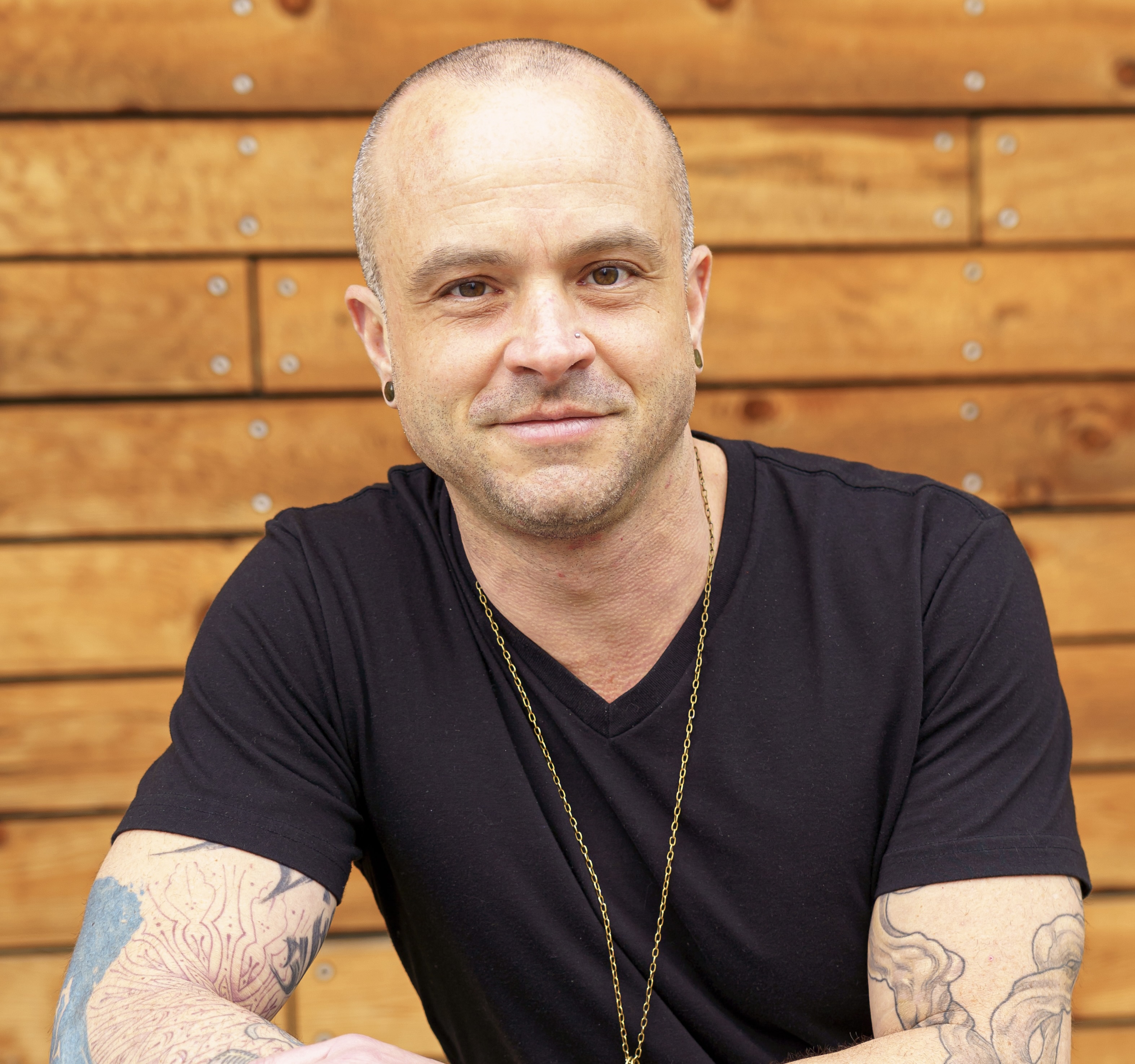
Matthew Myro Rothman is Chief Science Officer and VP of Marketing at EM2P2 and CannaLnx, where he helps bridge medical cannabis, healthcare infrastructure, patient education, and emerging technology. A lifelong musician, writer, philosopher, and cannabis science expert, Matthew spent more than 15 years working in cultivation, consulting, and medical cannabis operations throughout California before returning to Ohio to help shape the future of intelligent cannabis medicine. He holds a graduate degree in Philosophy, Cosmology, and Consciousness from California Institute of Integral Studies and writes extensively on cannabis science, consciousness, wellness, and human performance.
Please note: You are not currently logged in. Only members can contribute comments. If you would like to contribute click the button below.
