
A New Frontier in Pain Treatment: Cannabis-Derived Therapy Shows Promise in Back Pain
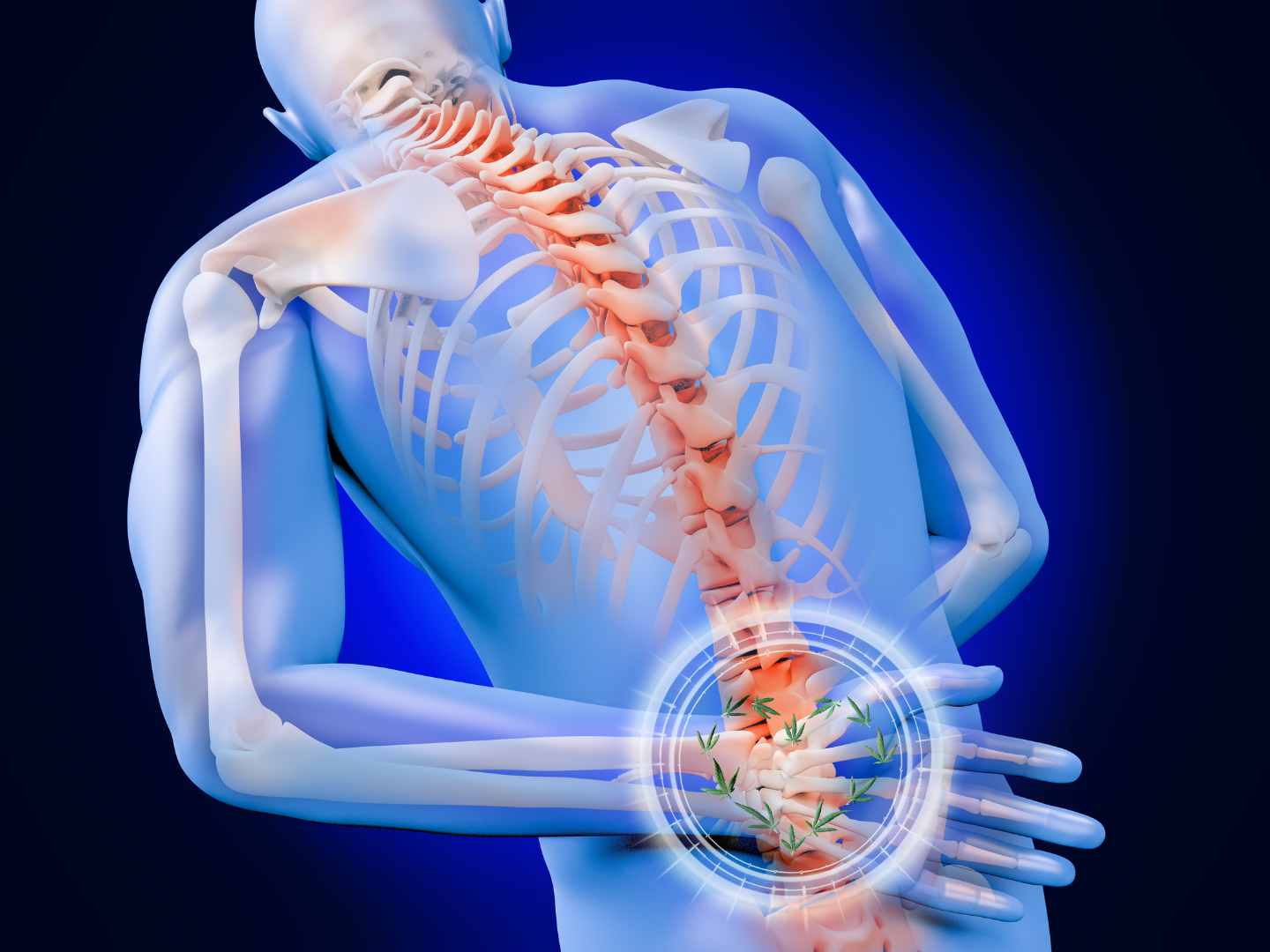
A Phase 3 trial found the cannabis-derived drug VER-01 significantly reduced chronic low back pain compared to placebo.
Patients also experienced improvements in sleep, function, and quality of life, suggesting system-level benefits beyond pain reduction.
The formulation delivered low-dose THC without producing measurable intoxication or signs of dependence in the study period.
Side effects were present but generally consistent with other pain therapies and lower-risk than opioids in key domains.
This trial represents a major step toward evidence-based cannabinoid therapeutics, though replication and long-term data are still needed.
VER-01, a cannabis-derived drug, reduced chronic low back pain more than placebo in a large Phase 3 trial without causing a “high” or signs of dependence. It may offer a new non-opioid treatment option, but further studies are needed to confirm long-term safety and effectiveness.
Back pain remains one of the most persistent and poorly managed medical conditions.
“Chronic low back pain is not just discomfort. It is a long-term disruption of function, sleep, and quality of life.”
Vertanical’s cannabis-derived drug VER-01 introduces a new variable into that equation. The recently reported Phase 3 trial suggests cannabinoids may finally be crossing the threshold from anecdote into structured clinical evidence.
The trial included roughly 800 patients in a randomized, placebo-controlled design. Over 12 weeks, patients receiving VER-01 experienced a nearly 2-point reduction in pain on an 11-point scale, compared to a 1.4-point reduction with placebo.
“Pain reduction is meaningful when it is sustained and functionally relevant, not just statistically significant.”
In the extension phase, improvements continued. Pain scores dropped by approximately 2.9 points over six months.
Participants also reported:
Better sleep quality
Improved physical function
Enhanced overall quality of life
“Effective pain therapy does not just reduce pain. It restores function and daily capacity.”
Notably, the drug did not produce measurable intoxication despite containing low-dose THC.
The safety data adds another layer of interest.
“There was no evidence of abuse, dependence, or withdrawal within the study period.”
This is critical in the context of opioid therapy, where dependence and overdose risks remain significant (https://www.ncbi.nlm.nih.gov/pmc/articles/PMC6358424/).
Side effects included dizziness, nausea, fatigue, and headaches. About 17 percent of participants discontinued early, which is comparable or lower than many opioid trials.
“Side effects matter, but risk profile matters more. The absence of dependence signals is clinically significant.”
Chronic pain treatment is constrained by trade-offs.
NSAIDs carry long-term gastrointestinal and cardiovascular risks (https://www.ncbi.nlm.nih.gov/pmc/articles/PMC6135470/). Opioids carry addiction and overdose risks.
“Pain management is often a negotiation between relief and risk.”
VER-01 introduces a third path.
Cannabinoids interact with the endocannabinoid system, which regulates pain signaling, inflammation, and stress response (https://www.ncbi.nlm.nih.gov/pmc/articles/PMC2503660/).
“The endocannabinoid system does not block pain directly. It modulates how pain is processed and perceived.”
This mechanism may explain why patients experienced improvements across multiple domains, not just pain intensity.
Despite its strength, the trial does not close the case.
“One trial establishes signal. It does not establish standard of care.”
Key considerations remain:
Replication in diverse populations
Long-term safety beyond six months
Comparative effectiveness versus existing therapies
It is also important to distinguish pharmaceutical formulations from general cannabis use.
“VER-01 is not equivalent to dispensary products. It is a standardized, controlled formulation.”
Vertanical has submitted applications to European regulators and is engaging with the U.S. FDA.
If approved, VER-01 could become one of the first widely prescribed cannabis-derived analgesics.
“Regulatory approval transforms a compound into a therapy.”
Future studies will need to address:
Long-term outcomes
Optimal dosing strategies
Patient selection criteria
Functional endpoints beyond pain scores
This trial represents a shift in how cannabis is studied.
“Cannabinoid medicine is moving from observational claims to controlled clinical validation.”
It also raises deeper questions:
Can similar formulations help other chronic pain conditions?
What cannabinoid ratios optimize efficacy and tolerability?
How will healthcare systems integrate cannabinoid-based drugs?
“Therapeutic progress depends on translating biological plausibility into clinical reliability.”
The VER-01 data is both promising and incomplete.
“This is not a breakthrough because it is perfect. It is a breakthrough because it is rigorous.”
For patients, it offers a potential alternative to existing pain therapies. For clinicians, it introduces a new class of treatment that may fit between NSAIDs and opioids.
“New therapies do not replace old ones overnight. They expand the landscape of possibility.”
Whether VER-01 becomes a standard option will depend on what comes next: replication, long-term data, and real-world application.
Does VER-01 cause a cannabis “high”?
No. In the clinical trial, VER-01 contained low-dose THC but did not produce measurable intoxication or “high” sensations in participants.
Is VER-01 safer than opioids for chronic pain?
Early data suggest a lower risk of dependence and withdrawal compared to opioids, but long-term safety data are still needed before definitive conclusions can be made.
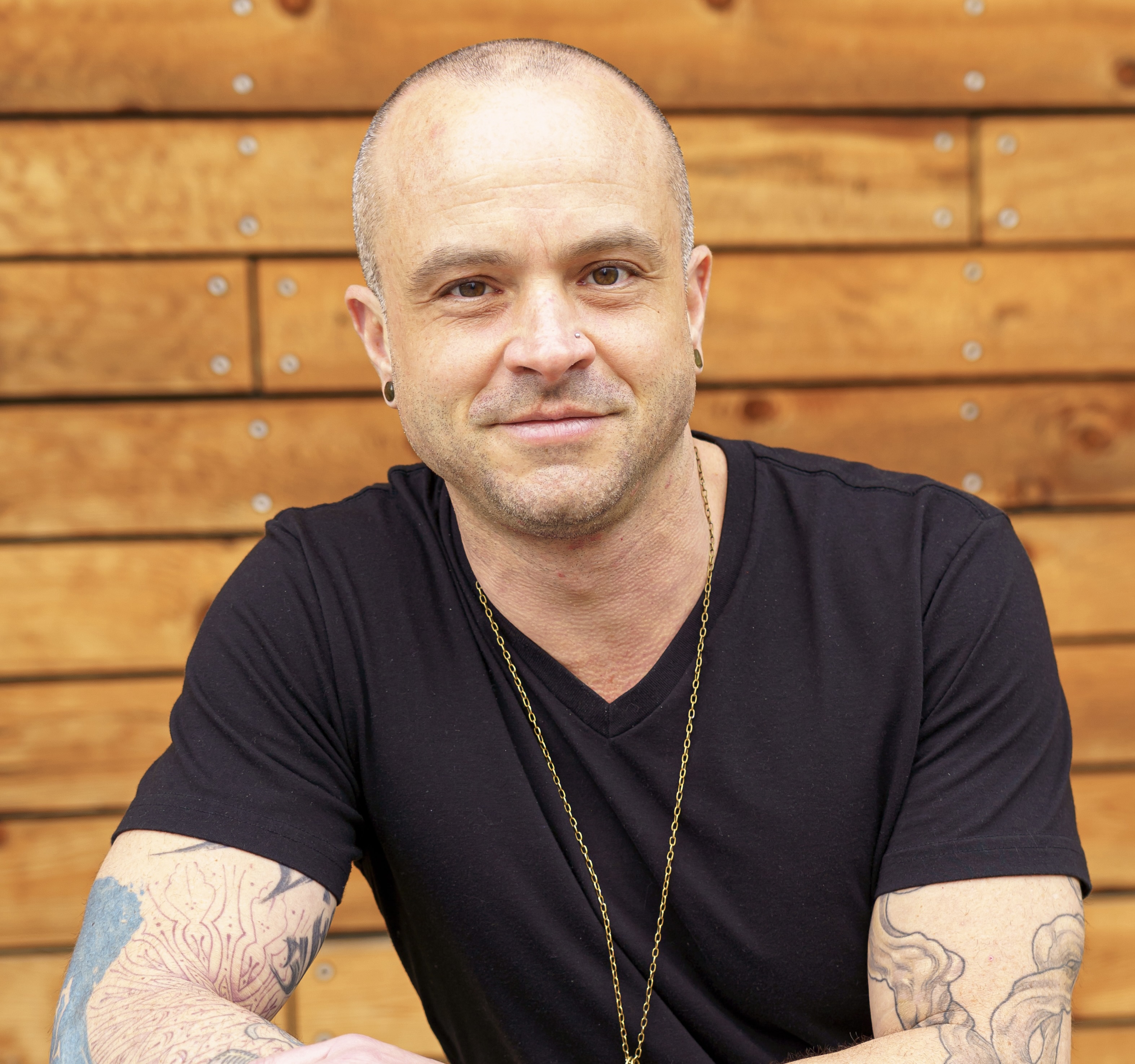
Matthew Myro Rothman is Chief Science Officer and VP of Marketing at EM2P2 and CannaLnx, where he helps bridge medical cannabis, healthcare infrastructure, patient education, and emerging technology. A lifelong musician, writer, philosopher, and cannabis science expert, Matthew spent more than 15 years working in cultivation, consulting, and medical cannabis operations throughout California before returning to Ohio to help shape the future of intelligent cannabis medicine. He holds a graduate degree in Philosophy, Cosmology, and Consciousness from California Institute of Integral Studies and writes extensively on cannabis science, consciousness, wellness, and human performance.
Please note: You are not currently logged in. Only members can contribute comments. If you would like to contribute click the button below.
