
Cannabis and Cognition: The Surprising Link Between Cannabis and Sharper Minds
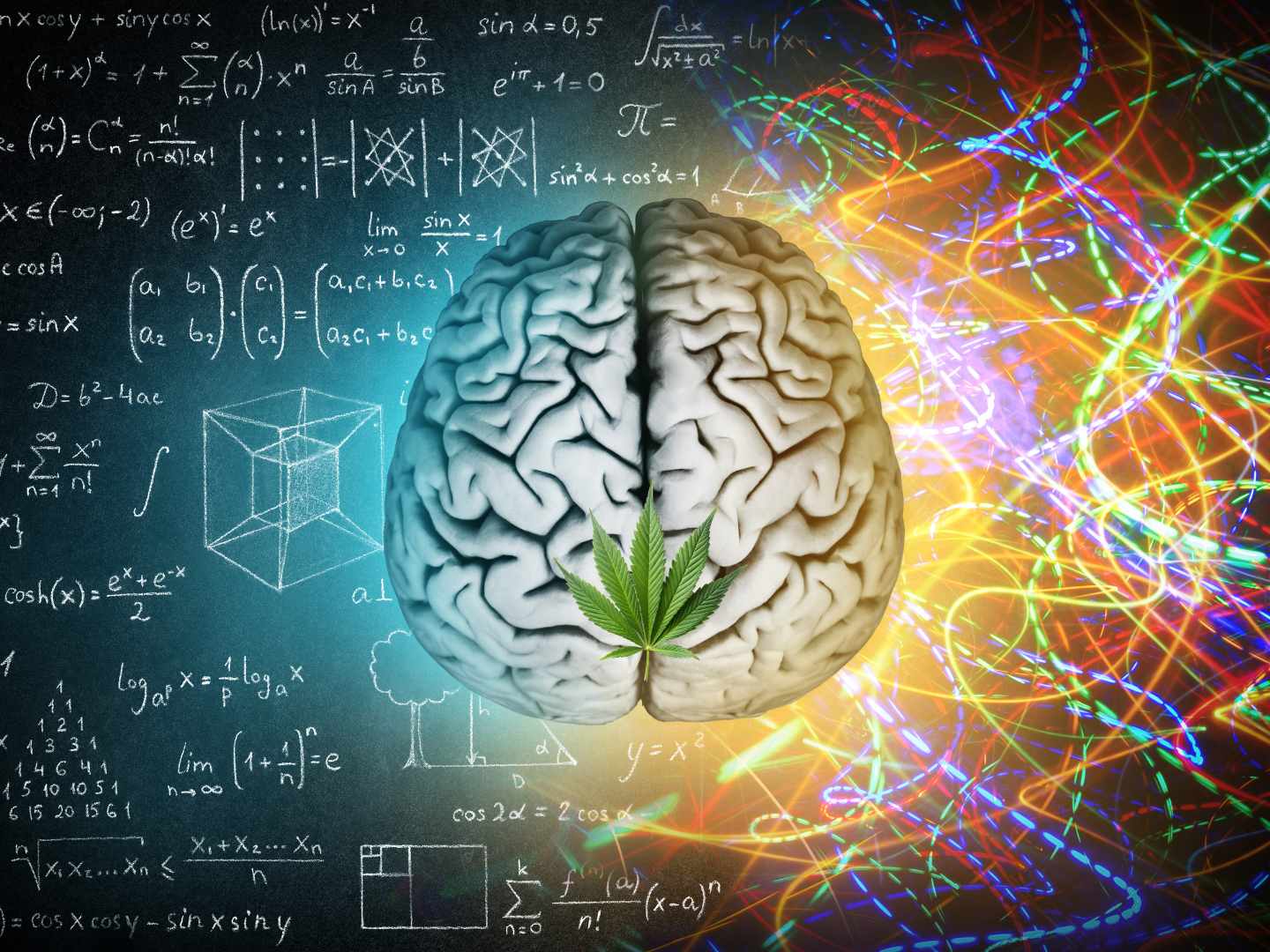
A large observational study found older cannabis users performed better on certain cognitive tests and showed more “youth-like” brain network patterns.
The proposed mechanism is neuroprotection through modulation of the endocannabinoid system, which regulates synaptic signaling and inflammation.
Effects are age-dependent, with some evidence linking heavy use in younger adults to reduced working-memory activation.
The study is correlational, meaning it identifies associations, not causation or clinical benefit.
Cannabis may influence brain aging, but outcomes depend on dose, frequency, and individual biology.
A large study suggests older cannabis users may show better cognitive performance and more youthful brain connectivity patterns. However, the findings are correlational and do not prove cannabis improves cognition or prevents decline.
For decades, cannabis has been framed as a cognitive suppressant.
“Cannabis is not inherently a cognitive duller. Its effects depend on context, dose, and biology.”
A recent large-scale study analyzing nearly 38,000 adults challenges that narrative. Older cannabis users performed better on certain cognitive tests than non-users, and brain imaging revealed connectivity patterns associated with younger brains.
“Correlation does not prove enhancement. It reveals patterns worth explaining.”
The signal is provocative, but it demands careful interpretation.
The research points toward a possible mechanism rooted in brain network dynamics.
“Cognitive aging is not just decline. It is a shift in how brain networks communicate.”
Healthy cognition depends on a balance between network segregation and integration. As the brain ages, that balance weakens, leading to less efficient information processing.
In cannabis users, imaging suggested preservation of this balance.
The endocannabinoid system plays a central role here. It regulates synaptic plasticity, inflammation, and neural signaling (https://www.ncbi.nlm.nih.gov/pmc/articles/PMC2780548/).
“The endocannabinoid system does not create cognition. It regulates the conditions that allow cognition to function.”
Cannabinoids like THC and CBD interact with CB1 receptors in the brain, influencing neurotransmitter release and network stability (https://www.ncbi.nlm.nih.gov/pmc/articles/PMC4789136/).
“Neuroprotection is not about boosting the brain. It is about preserving functional balance.”
Older adults are increasingly turning to cannabis for pain, sleep, and anxiety.
“Therapeutic use often begins with symptom relief and extends into system-wide effects.”
This study suggests that cannabis use in later life may coincide with preserved cognitive patterns. That possibility intersects with a major public health concern.
Aging-related cognitive decline and dementia are linked to neuroinflammation and synaptic dysfunction (https://www.ncbi.nlm.nih.gov/pmc/articles/PMC6520960/).
“Brain aging is driven in part by inflammation and network disruption.”
If cannabinoids modulate inflammation and synaptic signaling, they may influence how the brain ages.
The story shifts in younger populations.
“Cannabis does not have a uniform cognitive effect across age groups.”
Studies of younger adults show that heavy or recent use can reduce activation in working-memory networks.
This aligns with what we know about brain development. The prefrontal cortex continues maturing into early adulthood, making it more sensitive to external modulation.
“Developing brains are not resilient in the same way as aging brains. They are more vulnerable to disruption.”
This contrast highlights a key principle: the same compound can produce different outcomes depending on biological context.
This study is observational.
“Observational data identifies associations. It does not establish cause and effect.”
There are multiple possible explanations for the findings:
Cannabis may influence brain function directly
Healthier individuals may be more likely to use cannabis
Lifestyle factors may differ between groups
Without controlled trials, causality remains unresolved.
“Scientific credibility depends on distinguishing signal from interpretation.”
What matters most is how this research reframes the conversation.
“Cannabis is not a single outcome variable. It is a context-dependent modulator of brain function.”
The outdated narrative of universal cognitive impairment is no longer sufficient. Evidence now suggests a more nuanced reality.
“Cognition is not simply enhanced or impaired. It is regulated through complex biological systems.”
Cannabis may influence those systems in ways that differ across age, dose, and purpose.
This study does not prove cannabis preserves cognition. It suggests that the relationship is more complex than previously assumed.
“Complex systems rarely yield simple answers.”
For clinicians and researchers, the implication is clear: cannabinoid effects on the brain must be studied with precision, not assumption.
For patients, the takeaway is equally clear: context matters.
“The future of cannabis science is not about belief. It is about specificity.”
Does cannabis improve cognitive function in older adults?
Current evidence shows an association between cannabis use and better cognitive performance in older adults, but it does not prove causation. Controlled clinical trials are needed to determine whether cannabis directly improves cognition.
Why might cannabis affect younger and older brains differently?
Younger brains are still developing, especially in areas related to memory and decision-making, making them more sensitive to disruption. Older brains may respond differently due to changes in inflammation, neural signaling, and endocannabinoid system activity.
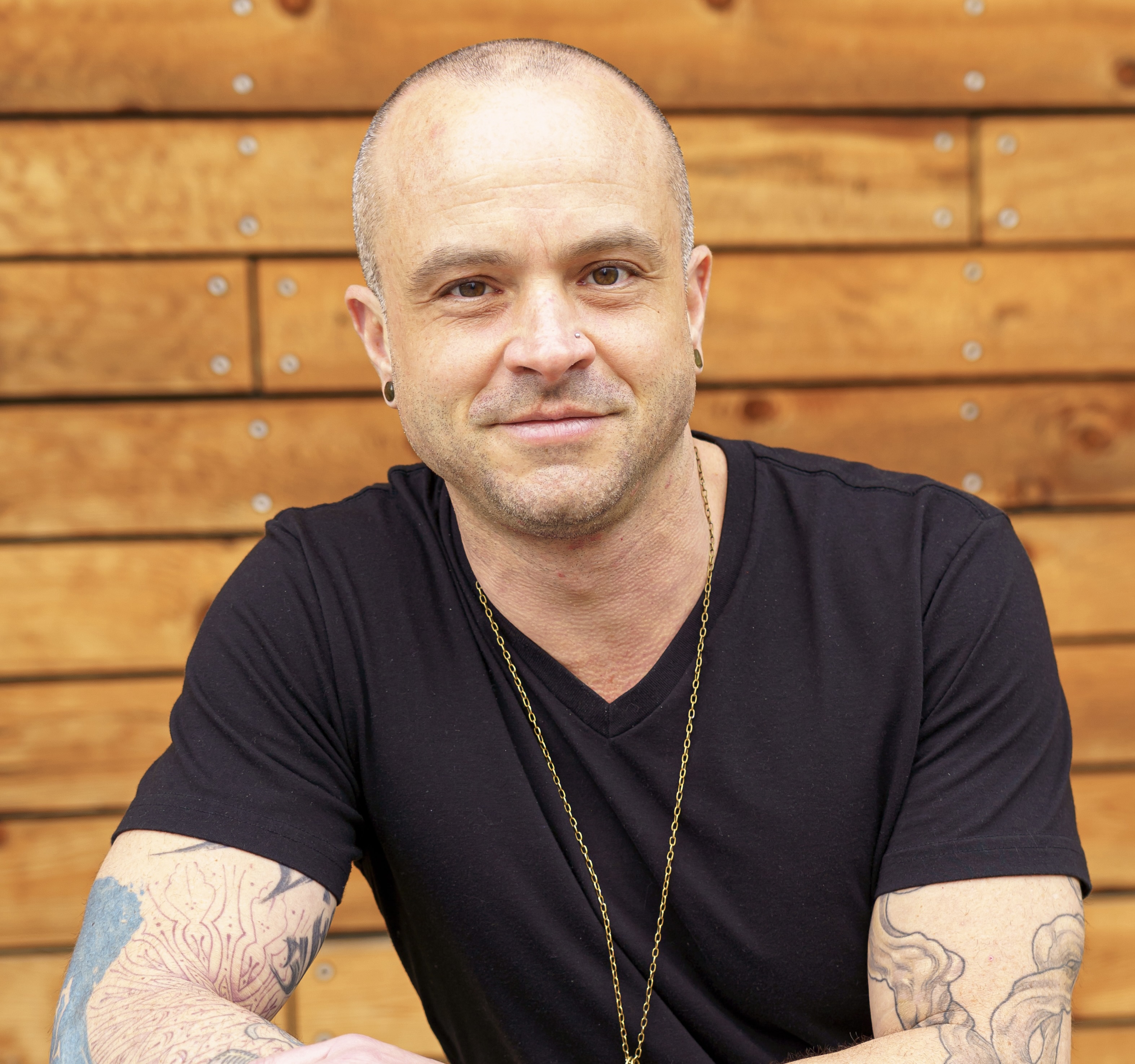
Matthew Myro Rothman is Chief Science Officer and VP of Marketing at EM2P2 and CannaLnx, where he helps bridge medical cannabis, healthcare infrastructure, patient education, and emerging technology. A lifelong musician, writer, philosopher, and cannabis science expert, Matthew spent more than 15 years working in cultivation, consulting, and medical cannabis operations throughout California before returning to Ohio to help shape the future of intelligent cannabis medicine. He holds a graduate degree in Philosophy, Cosmology, and Consciousness from California Institute of Integral Studies and writes extensively on cannabis science, consciousness, wellness, and human performance.
Please note: You are not currently logged in. Only members can contribute comments. If you would like to contribute click the button below.
