
CBD and Alcohol Use Disorder: Can Cannabis Compound Break the Cycle?
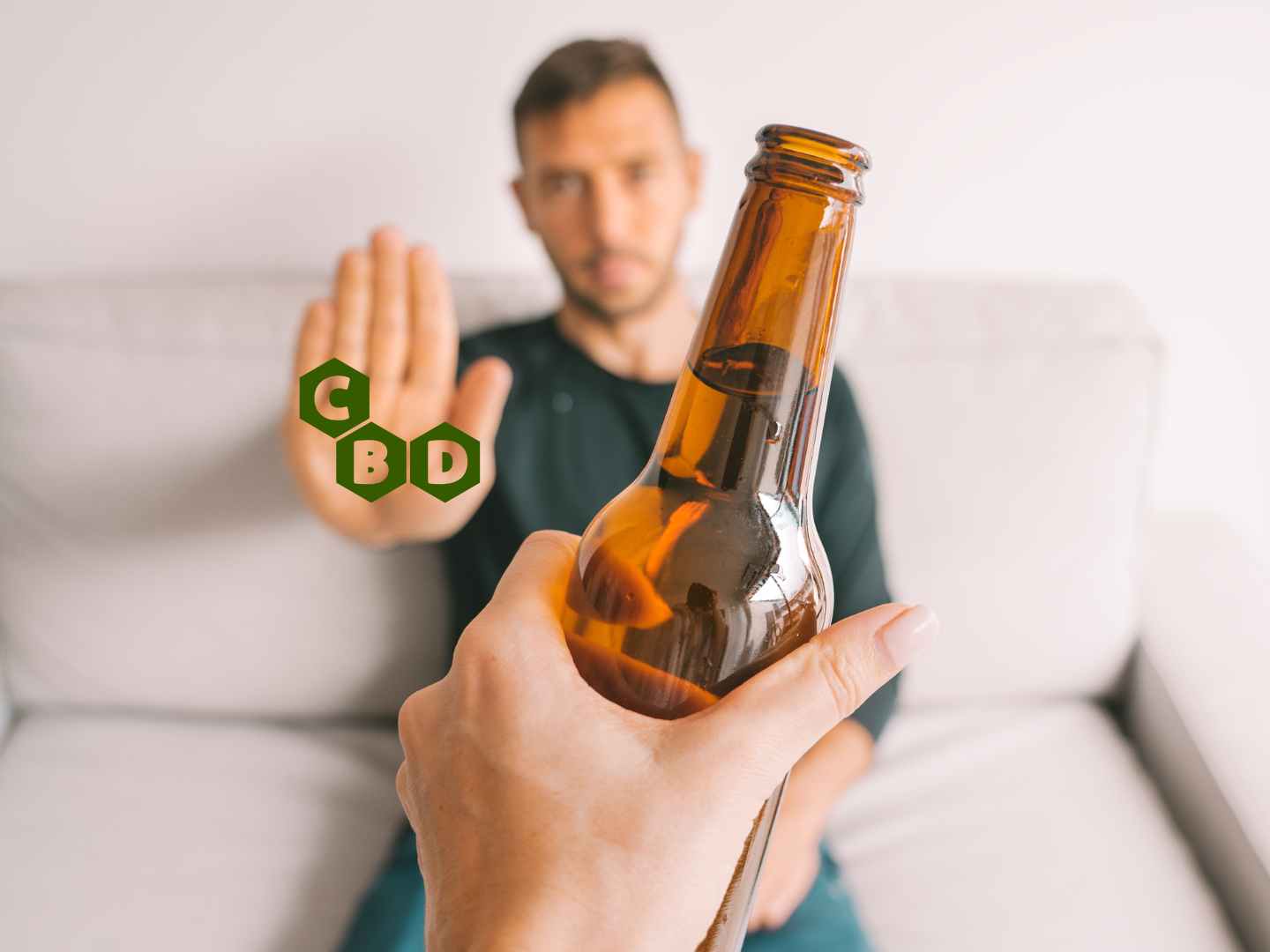
New federally funded research suggests CBD may reduce alcohol cravings, withdrawal symptoms, and relapse behavior by modulating brain circuits tied to addiction.
CBD appears to influence anxiety and reward signaling without causing intoxication or major motor impairment.
Early animal and human studies consistently show CBD dampening cue-triggered alcohol cravings and reducing alcohol-seeking behavior.
The endocannabinoid system regulates stress, emotional processing, and reward pathways central to alcohol dependence.
CBD is not yet a clinically approved treatment for alcohol use disorder, but it is emerging as a serious candidate for future addiction medicine.
Standardized formulations, evidence-based dosing, and larger human trials remain essential before widespread adoption.
A growing body of research suggests CBD may help reduce alcohol cravings, withdrawal symptoms, and relapse risk while also protecting the brain from alcohol-related damage. Early findings indicate CBD influences the neural pathways tied to stress, anxiety, and addiction, positioning it as one of the most promising cannabinoid candidates for alcohol use disorder treatment.
Alcohol use disorder has long been one of humanity’s most persistent and destructive public health challenges. Billions of dollars are spent every year on treatment programs, medications, detoxification strategies, and relapse prevention efforts, yet long-term recovery remains painfully difficult for many people. That’s what makes the recent federally funded research emerging from UC San Diego so compelling. It suggests cannabidiol, better known as CBD, may influence the biology of addiction itself rather than simply suppressing symptoms.
“Alcohol dependence is not simply a behavioral problem. It is a disorder rooted in stress circuitry, reward signaling, and neuroadaptation.”
In the UC San Diego study, researchers worked with alcohol-dependent rats and administered synthetic CBD intravenously at therapeutically significant doses. The results were striking. Animals receiving CBD consumed less alcohol, showed fewer withdrawal symptoms, and were less likely to relapse when exposed to alcohol-related cues.
Perhaps even more interesting was what happened neurologically. CBD restored healthier activity patterns in the basolateral amygdala, a brain region deeply involved in anxiety, emotional memory, and relapse behavior. It also appeared to protect striatal circuits associated with reward processing and habit formation from alcohol-related neurodegeneration. These findings align with broader evidence that the endocannabinoid system regulates emotional processing, stress responses, and addictive behavior (https://www.ncbi.nlm.nih.gov/pmc/articles/PMC4604171/).
“The endocannabinoid system does not merely affect mood. It helps regulate the balance between stress, reward, and behavioral control.”
One critical detail separates CBD from many traditional addiction treatments: the rats were not sedated. Motor function remained largely intact while anxiety and alcohol-seeking behaviors declined. That distinction matters because many conventional therapies for alcohol dependence rely heavily on sedation or behavioral suppression.
“CBD was not masking alcohol dependence. It appeared to alter the neural activity driving it.”
This study is not an isolated anomaly. A growing body of research continues pointing in a similar direction.
Researchers at the University of Sydney found CBD reduced binge alcohol consumption and lowered blood alcohol levels in mice without producing sedative effects. Human imaging studies have also produced intriguing results. In one trial, an 800 mg oral dose of CBD reduced cue-induced alcohol cravings while decreasing activity in the nucleus accumbens, one of the brain’s major addiction and reward centers (https://pubmed.ncbi.nlm.nih.gov/33165011/).
“A craving is not just psychological desire. It is a conditioned neurological prediction of reward.”
A 2024 systematic review further concluded that CBD appears to influence neural networks involved in emotional regulation, impulse control, and addictive reinforcement pathways (https://pubmed.ncbi.nlm.nih.gov/38413972/). Across both animal and early human research, a consistent pattern is emerging: CBD may weaken alcohol’s grip on the nervous system while reducing the stress responses that often trigger relapse.
Traditional treatments for alcohol use disorder can absolutely help people, but many carry limitations. Benzodiazepines can cause sedation and dependency concerns. Naltrexone has variable effectiveness and adherence challenges. Other interventions may reduce cravings for some patients while creating side effects that limit long-term use.
CBD presents a very different pharmacological profile.
“CBD is not intoxicating. It is a neuromodulatory compound with anxiolytic, anti-inflammatory, and neuroprotective properties.”
Research suggests CBD interacts with serotonin receptors, inflammatory signaling pathways, and the endocannabinoid system in ways that may reduce stress-driven alcohol seeking (https://www.ncbi.nlm.nih.gov/pmc/articles/PMC7092763/).
That said, caution remains essential.
The doses used in many experimental studies are far higher than what consumers typically encounter in retail CBD products. Product quality, cannabinoid concentration, absorption, and formulation vary enormously in the unregulated marketplace.
“Over-the-counter CBD products are not equivalent to pharmaceutical-grade cannabinoid therapy.”
This research also connects to a broader and increasingly important discussion surrounding cannabis as a harm-reduction tool.
Several population studies suggest that when cannabis becomes legally accessible, alcohol consumption often decreases for at least some individuals (https://www.ncbi.nlm.nih.gov/pmc/articles/PMC3992908/). For some people, cannabis functions as a substitute rather than an additive behavior.
“Harm reduction is not about perfection. It is about reducing biological and social damage where possible.”
That substitution effect carries profound implications. Alcohol contributes to liver disease, cardiovascular dysfunction, neurological damage, cancer risk, and millions of deaths globally every year. If CBD or other cannabinoid therapies can meaningfully reduce relapse behavior or drinking intensity, the public health impact could be enormous.
The scientific roadmap forward is becoming increasingly clear.
Researchers now need:
Large-scale randomized human trials
Standardized pharmaceutical-grade CBD formulations
Clear dosing guidelines
Long-term safety data
Comparative studies against existing alcohol use disorder medications
Most importantly, researchers must determine which patient populations respond best. Addiction biology varies dramatically from person to person.
“Precision medicine matters in addiction because dependency itself is biologically heterogeneous.”
CBD may ultimately become one component of a broader, individualized treatment framework that combines behavioral support, nutritional intervention, mental health care, and targeted pharmacology.
What makes this research important is not hype. It is convergence.
Across animal studies, human imaging research, and systematic reviews, the same signal keeps appearing: CBD may reduce alcohol cravings, weaken relapse pathways, and protect vulnerable brain systems from alcohol-related damage.
That does not mean the science is settled. It means the evidence is becoming increasingly difficult to dismiss.
“The future of addiction medicine may depend less on suppressing behavior and more on restoring neurological balance.”
For a condition as devastating and deeply entrenched as alcohol use disorder, that possibility deserves serious scientific attention.
Early animal and human studies suggest CBD may reduce alcohol cravings and relapse behavior by influencing stress and reward pathways in the brain. However, larger clinical trials are still needed before CBD becomes an established medical treatment for alcohol use disorder.
Preclinical studies indicate CBD may reduce alcohol-related neurodegeneration and inflammation in brain regions associated with reward, habit formation, and emotional regulation. Researchers believe CBD’s neuroprotective properties may play an important role in future addiction therapies.
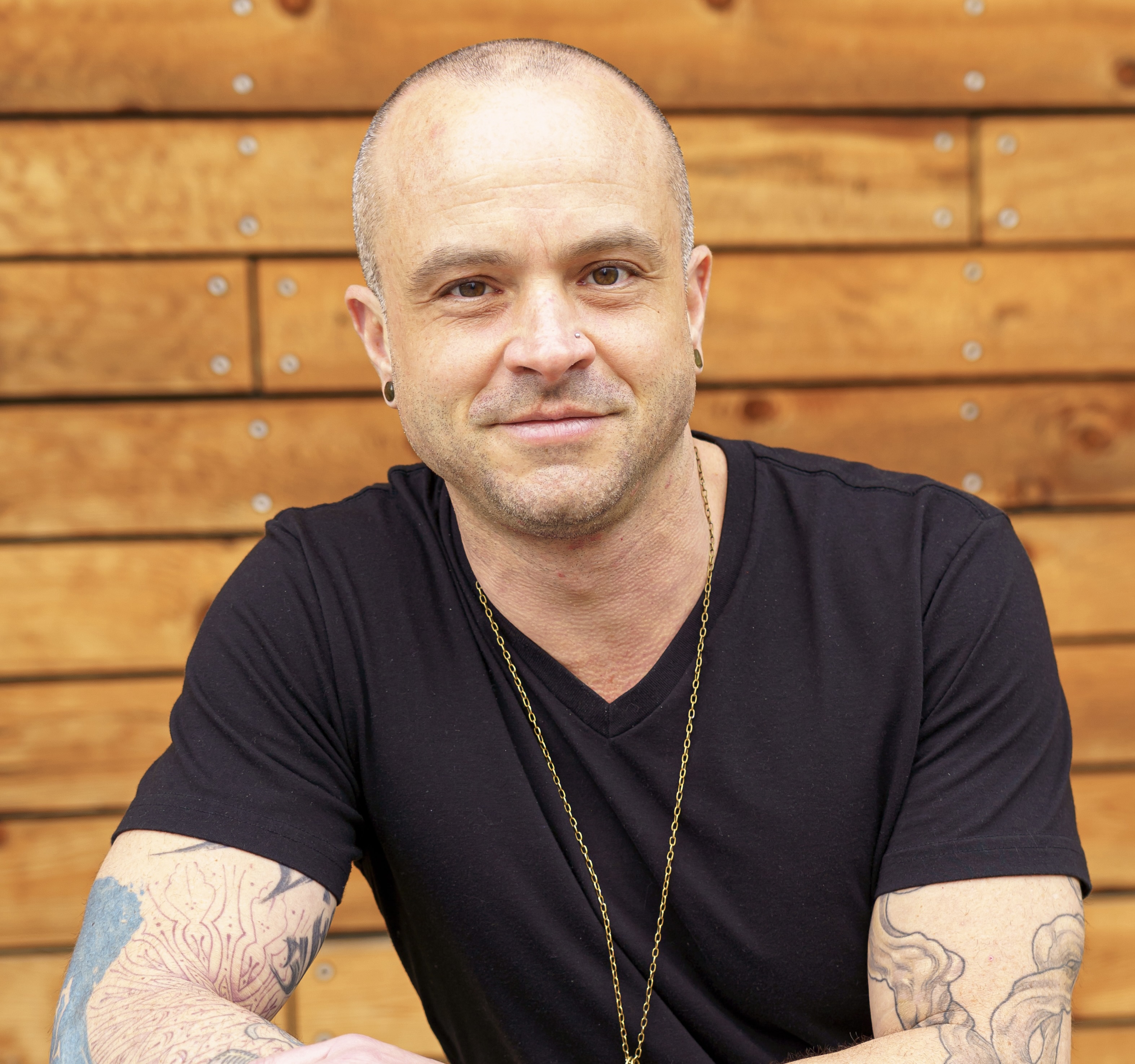
Matthew Myro Rothman is Chief Science Officer and VP of Marketing at EM2P2 and CannaLnx, where he helps bridge medical cannabis, healthcare infrastructure, patient education, and emerging technology. A lifelong musician, writer, philosopher, and cannabis science expert, Matthew spent more than 15 years working in cultivation, consulting, and medical cannabis operations throughout California before returning to Ohio to help shape the future of intelligent cannabis medicine. He holds a graduate degree in Philosophy, Cosmology, and Consciousness from California Institute of Integral Studies and writes extensively on cannabis science, consciousness, wellness, and human performance.
Please note: You are not currently logged in. Only members can contribute comments. If you would like to contribute click the button below.
