
Tinnitus and Cannabinoids: Silence on the Horizon?

Tinnitus is not just an ear problem. It is a neurological condition deeply tied to stress, sleep disruption, anxiety, and sensory processing.
Animal studies consistently suggest cannabinoids, particularly THC-heavy formulations, may worsen tinnitus-related neural activity.
Human reports tell a more nuanced story, with some patients reporting relief from tinnitus-associated anxiety, insomnia, and emotional distress.
Current evidence suggests cannabis may help people cope with tinnitus psychologically without necessarily reducing the phantom sound itself.
The endocannabinoid system interacts directly with auditory pathways, but researchers still do not fully understand whether cannabinoids calm or amplify abnormal neural signaling.
At present, cannabis should be approached cautiously for tinnitus, especially with high-THC products or heavy use.
Current evidence suggests cannabis may help some people manage the emotional burden of tinnitus, particularly anxiety, stress, and sleep disruption, but it does not reliably reduce the phantom ringing itself. Animal studies actually suggest cannabinoids may worsen tinnitus-related neural activity, highlighting the need for careful, individualized use and far more human clinical research.
Tinnitus, the persistent sensation of ringing, buzzing, hissing, or phantom noise without an external source, affects roughly 10% to 15% of the population. For some people it is mildly annoying. For others, it becomes a relentless neurological companion that erodes concentration, sleep, mood, and quality of life.
“Tinnitus is not simply a hearing problem. It is a disorder of sensory perception, stress regulation, and neural signaling.”
That complexity is exactly why cannabis has entered the conversation. Patients struggling with tinnitus often report anxiety, insomnia, hypervigilance, and emotional exhaustion, all areas where cannabinoids are already being explored therapeutically. But when it comes to tinnitus itself, the science remains conflicted.
The clearest experimental data we currently have comes from animal studies, and the findings are not especially encouraging.
In several tinnitus models involving rats and guinea pigs exposed to loud noise trauma or ototoxic drugs, cannabinoids failed to reduce tinnitus-like behavior and in some cases appeared to worsen it. One study using a 1:1 THC-CBD formulation found increased tinnitus-related responses in rats, effects that reversed once cannabinoid exposure stopped (https://pmc.ncbi.nlm.nih.gov/articles/PMC3722837/).
Another line of research found CB1 receptor activation did not suppress tinnitus activity in damaged auditory systems (https://onlinelibrary.wiley.com/doi/10.1002/lary.24779).
“Animal models consistently suggest cannabinoids may amplify abnormal auditory signaling rather than suppress it.”
That matters because tinnitus is believed to involve maladaptive neural hyperactivity within auditory circuits. In simple terms, the brain continues generating sound signals even when no external sound exists.
Human reports, however, paint a more nuanced picture.
A small survey study involving tinnitus patients found that many cannabis users reported improvements in associated symptoms such as anxiety, sleep quality, dizziness, pain, and emotional distress (https://journalotohns.biomedcentral.com/articles/10.1186/s40463-019-0345-7).
Importantly, most participants were not necessarily saying the ringing disappeared.
Instead, they often described feeling less bothered by it.
“That distinction is critical. Reducing tinnitus distress is not the same as reducing tinnitus intensity.”
This may explain why cannabis remains part of the tinnitus conversation despite weak evidence for direct auditory improvement. For some people, the suffering around tinnitus becomes more debilitating than the sound itself.
The biological story gets even more interesting once the endocannabinoid system enters the picture.
CB1 and CB2 receptors are present in parts of the auditory system involved in sound processing and neural signaling (https://www.frontiersin.org/articles/10.3389/fneur.2020.505995/full). Researchers believe the endocannabinoid system helps regulate excitability, stress response, inflammation, and sensory modulation throughout the nervous system.
“The endocannabinoid system does not merely influence mood. It regulates how the nervous system filters and prioritizes sensory information.”
That means cannabinoids could theoretically influence tinnitus in multiple directions.
CBD may reduce stress signaling and improve sleep architecture through serotonin-related pathways (https://www.ncbi.nlm.nih.gov/pmc/articles/PMC4604171/). THC, meanwhile, may alter sensory salience and auditory perception through CB1 receptor activity.
But the same neural flexibility that may help one person emotionally could potentially increase excitability in another.
One of the most overlooked realities of tinnitus is how deeply it intertwines with the nervous system.
Stress amplifies tinnitus perception. Poor sleep amplifies stress. Anxiety heightens auditory vigilance. The entire condition can become a neurological feedback loop.
“Tinnitus often becomes louder not because the ears worsen, but because the nervous system becomes more sensitized.”
This may partially explain why some patients experience subjective relief from cannabis despite unclear changes in auditory function itself.
Cannabinoids may help some individuals by:
Reducing hyperarousal
Improving sleep continuity
Lowering anxiety levels
Decreasing muscular tension
Interrupting obsessive attention patterns
In practical terms, cannabis may help certain patients stop fighting the sound constantly, even if the sound remains present.
None of this means cannabis is universally helpful for tinnitus.
Some studies and patient reports suggest cannabis may actually trigger tinnitus onset or worsen existing symptoms, particularly with high-THC exposure or heavy use patterns.
“One person’s calming aid may become another person’s sensory amplifier.”
Researchers still do not fully understand which cannabinoid ratios, terpene profiles, doses, or delivery methods might carry lower risk.
That uncertainty matters.
Because tinnitus already involves altered sensory processing, introducing psychoactive compounds into the equation can create unpredictable outcomes depending on:
Baseline anxiety levels
Existing hearing damage
THC sensitivity
Sleep quality
Stress physiology
Frequency of use
Cannabis is neither a miracle cure nor a definitive villain in the tinnitus world.
The current evidence suggests cannabinoids may help some people cope emotionally with tinnitus while potentially worsening auditory symptoms in others. The strongest benefits reported by humans appear tied less to “silencing the ringing” and more to calming the nervous system surrounding it.
“Cannabis may reduce the suffering around tinnitus without reducing tinnitus itself.”
That distinction is not small. For many patients, emotional relief still matters deeply.
But honesty matters too.
The science remains incomplete, human clinical trials are sparse, and animal data continues to raise legitimate concerns about cannabinoid effects on auditory circuitry.
For now, cautious experimentation, physician guidance, low starting doses, and careful symptom tracking remain the wisest path forward.
Because when it comes to tinnitus, certainty is still quieter than the ringing itself.
Current evidence does not support cannabis as a cure for tinnitus. Some people report relief from anxiety, stress, and sleep problems associated with tinnitus, but studies have not shown reliable reductions in the phantom sound itself.
Yes, some animal studies and patient reports suggest THC may worsen tinnitus symptoms or increase auditory sensitivity in certain individuals. High doses and heavy cannabis use appear more likely to carry this risk.
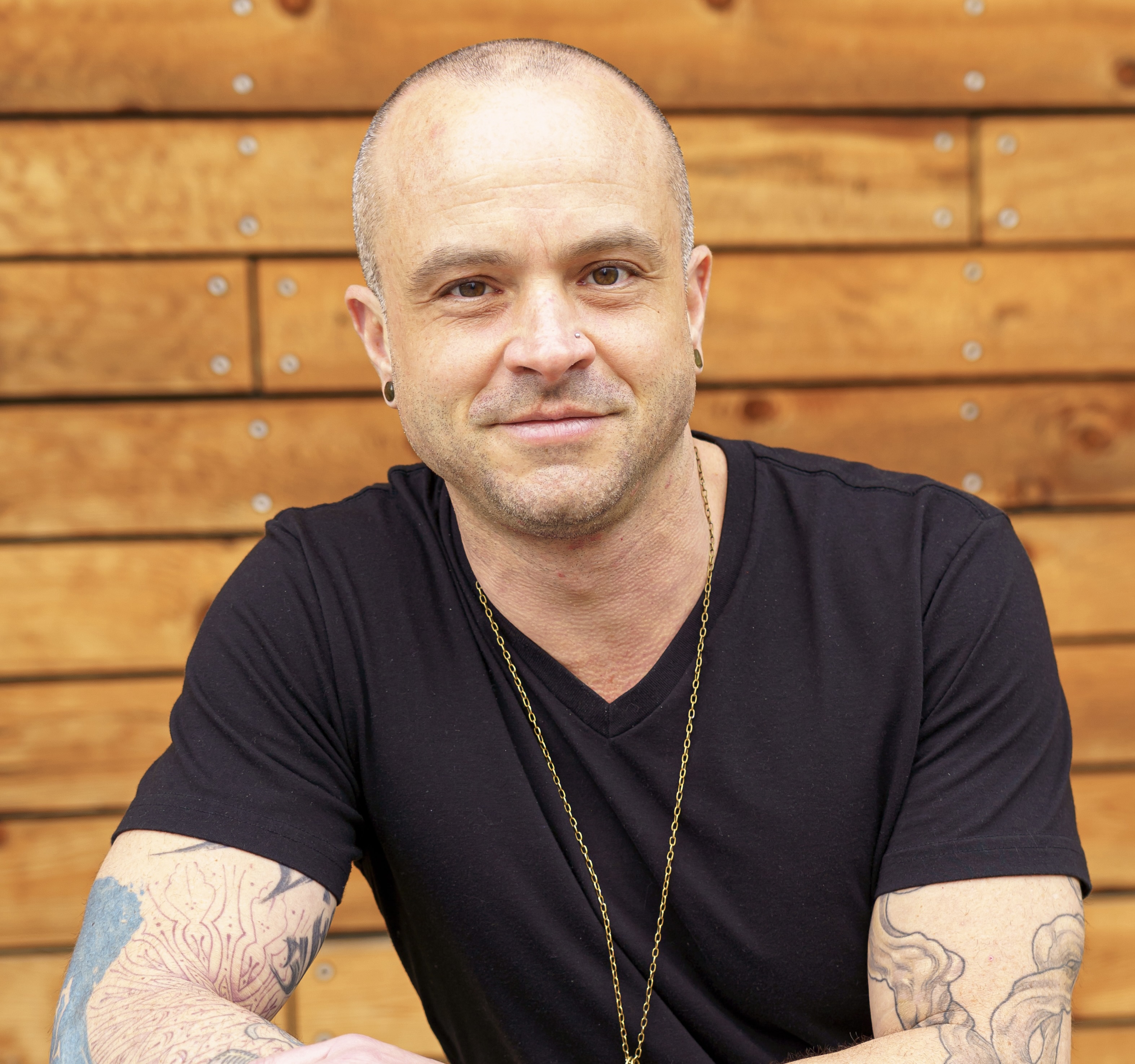
Matthew Myro Rothman is Chief Science Officer and VP of Marketing at EM2P2 and CannaLnx, where he helps bridge medical cannabis, healthcare infrastructure, patient education, and emerging technology. A lifelong musician, writer, philosopher, and cannabis science expert, Matthew spent more than 15 years working in cultivation, consulting, and medical cannabis operations throughout California before returning to Ohio to help shape the future of intelligent cannabis medicine. He holds a graduate degree in Philosophy, Cosmology, and Consciousness from California Institute of Integral Studies and writes extensively on cannabis science, consciousness, wellness, and human performance.
Please note: You are not currently logged in. Only members can contribute comments. If you would like to contribute click the button below.
