
Cannabis and Autoimmune Thyroid Disease: Immunomodulation in Action?
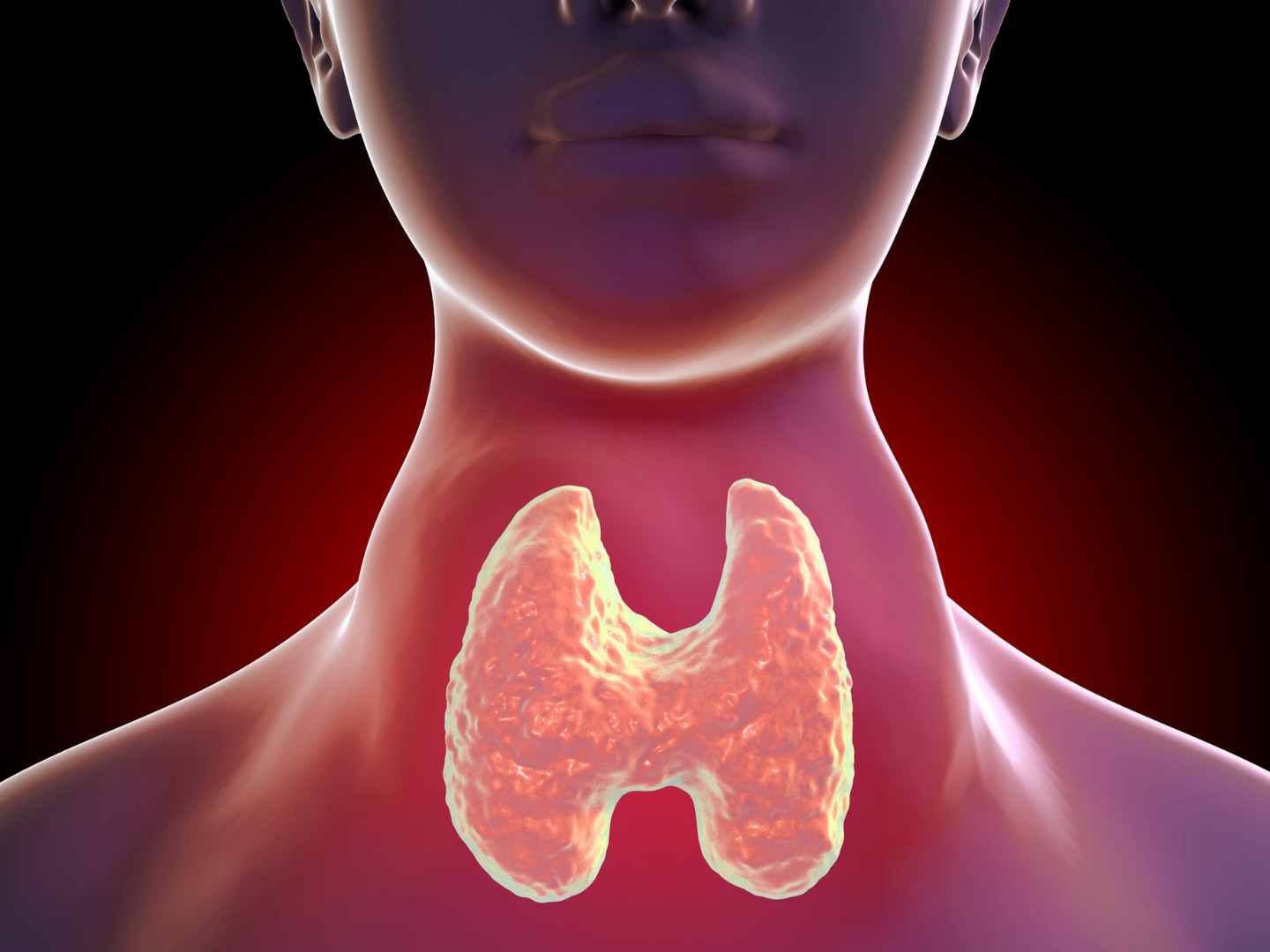
Autoimmune thyroid diseases like Hashimoto’s and Graves’ are immune disorders first and hormone disorders second.
Cannabinoids influence immune signaling through the endocannabinoid system, particularly CB2 receptors found on immune cells.
Early evidence suggests cannabis may help reduce inflammatory signaling and improve symptoms such as anxiety, pain, insomnia, and mood instability.
Cannabis does not appear to directly cause thyroid disease, and large population studies have not shown increased thyroid dysfunction among users.
Thyroid eye disease (TED) may represent an important caution point, particularly in Graves’ disease patients using cannabis early in disease progression.
Cannabis may function best as an adjunctive wellness tool rather than a replacement for thyroid medications or endocrine care.
Cannabis may offer meaningful support for autoimmune thyroid conditions by modulating inflammatory immune pathways and improving symptoms like stress, sleep disruption, pain, and mood instability. But emerging evidence also suggests cannabis could worsen or accelerate thyroid eye disease in some Graves’ patients, making careful, individualized use essential.
Autoimmune thyroid diseases like Hashimoto’s thyroiditis and Graves’ disease affect millions of people worldwide, particularly women. And while the symptoms often show up as hormone imbalance, fatigue, anxiety, weight fluctuation, insomnia, depression, heat intolerance, or brain fog, the deeper issue is immunological chaos.
The immune system begins targeting the thyroid itself.
In Hashimoto’s, immune activity progressively damages thyroid tissue and reduces hormone production. In Graves’ disease, immune signaling overstimulates the gland, driving excessive thyroid hormone output and systemic overstimulation.
“Autoimmune thyroid disease is not simply a hormone disorder. It is an immune system disorder expressed through the thyroid.”
That distinction matters because conventional medicine largely focuses on hormone replacement or hormone suppression while often leaving the underlying inflammatory terrain relatively untouched.
This is where cannabinoids enter the conversation in a far more serious way than most people realize.
The endocannabinoid system (ECS) plays a direct role in regulating inflammation, immune balance, stress signaling, and cellular communication throughout the body. CB2 receptors, in particular, are densely expressed on immune cells and appear heavily involved in inflammatory regulation (https://www.ncbi.nlm.nih.gov/pmc/articles/PMC5877694/).
“CB2 receptors function less like an on-off switch and more like an immune dimmer.”
Cannabinoids such as THC and CBD interact with these pathways in different ways.
Research suggests cannabinoids may:
Suppress pro-inflammatory cytokines such as TNF-α and IL-1
Influence T-cell signaling and immune activation
Increase regulatory T-cell activity
Reduce oxidative stress and inflammatory damage
Shift immune responses away from excessive autoimmunity
CBD in particular has demonstrated anti-inflammatory and immunomodulatory effects in multiple experimental models (https://www.ncbi.nlm.nih.gov/pmc/articles/PMC7023045/).
“The endocannabinoid system does not merely regulate mood. It regulates immune intensity.”
For autoimmune thyroid disease, that becomes highly relevant.
One of the most exhausting realities for patients with autoimmune thyroid disease is that symptoms rarely remain isolated to the thyroid itself.
Inflammation spills outward.
Sleep suffers. Mood destabilizes. Stress tolerance narrows. Pain and fatigue increase. Cortisol patterns shift. The nervous system becomes chronically activated.
This is part of why cannabis remains appealing to many patients even outside direct immune effects.
CBD-dominant or balanced cannabinoid formulations may help reduce:
Anxiety and nervous system hyperarousal
Sleep disruption
Joint pain and muscular tension
Chronic stress signaling
Mood instability associated with thyroid dysfunction
“Sometimes improving quality of life changes the disease experience even when the disease itself remains present.”
That matters clinically because autoimmune diseases often involve both biological dysfunction and chronic nervous system strain.
Current evidence suggests the answer is no.
Large population studies, including NHANES analyses, have not found evidence that cannabis directly causes thyroid disease or worsens thyroid hormone dysfunction broadly (https://pubmed.ncbi.nlm.nih.gov/27799014/).
Interestingly, some data even suggest recent cannabis users show lower rates of elevated thyroid-stimulating hormone (TSH).
That does not mean cannabis protects the thyroid outright, but it does challenge longstanding assumptions that cannabis is inherently harmful to thyroid health.
“Cannabis appears more likely to modulate thyroid-related physiology than directly damage it.”
This is where the conversation becomes far more nuanced.
A recent cohort analysis involving patients with autoimmune hyperthyroidism found cannabis users were significantly more likely to develop thyroid eye disease (TED), including exophthalmos or eye protrusion, within the first year following diagnosis (https://pubmed.ncbi.nlm.nih.gov/39148182/).
TED is one of the most difficult and emotionally distressing complications of Graves’ disease. It involves inflammatory changes around the eyes that can cause swelling, discomfort, visual changes, and altered facial appearance.
“Cannabis may calm some inflammatory pathways while potentially aggravating others.”
Researchers do not yet fully understand why this association exists. Some speculate overlap with smoking-related inflammatory mechanisms, altered vascular signaling, or immune activation within orbital tissues.
Importantly, the elevated risk appeared strongest early in disease progression and weakened over longer follow-up periods.
Still, it is not a signal clinicians or patients should ignore.
One of the recurring themes in cannabinoid medicine is variability.
The same product can calm one nervous system while overstimulating another.
The same THC dose can improve sleep in one patient and increase anxiety in someone else.
This becomes even more relevant in autoimmune thyroid disease because thyroid hormone status already profoundly influences nervous system sensitivity, metabolism, mood, and inflammation.
“Cannabis is not one compound, one effect, or one outcome. It is a pharmacological ecosystem interacting with a biological ecosystem.”
Variables that likely influence response include:
THC-to-CBD ratio
Disease stage
Presence of TED
Thyroid hormone status
Stress physiology
Existing medications
Genetics and ECS tone
For patients exploring cannabis alongside autoimmune thyroid treatment, caution and intentionality matter.
CBD-dominant or balanced cannabinoid formulations may carry lower risk profiles than high-THC products, particularly for those with Graves’ disease or concern about thyroid eye involvement.
Monitoring thyroid hormones, antibody levels, and symptom changes remains essential.
“Cannabis works best as a carefully integrated tool, not as a replacement for endocrine care.”
That means collaboration with healthcare providers matters, especially because cannabinoids may interact with medication metabolism and nervous system regulation.
Cannabis is not a cure for Hashimoto’s or Graves’ disease.
But emerging evidence suggests cannabinoids interact directly with many of the inflammatory and neurological systems driving autoimmune thyroid dysfunction. That makes cannabis scientifically relevant, not merely culturally trendy.
The promise here is not magic.
It is modulation.
It is the possibility of calming excessive immune signaling, improving nervous system resilience, supporting sleep and emotional balance, and helping patients navigate diseases that conventional medicine often treats mechanically rather than holistically.
At the same time, the TED signal reminds us that biology rarely moves in straight lines.
“Cannabinoid medicine is not about blind enthusiasm. It is about intelligent nuance.”
And when it comes to autoimmune thyroid disease, nuance may be the most important medicine of all.
Cannabis may help some people with Hashimoto’s by reducing stress, inflammation, pain, anxiety, and sleep disruption. However, it should be viewed as a supportive adjunct rather than a replacement for thyroid hormone therapy or medical treatment.
Possibly. Emerging research suggests cannabis use may increase the short-term risk of thyroid eye disease in some Graves’ patients. Individuals with Graves’ disease should approach cannabis carefully and monitor symptoms closely with medical guidance.
Matthew Myro Rothman is Chief Science Officer and VP of Marketing at EM2P2 and CannaLnx, where he helps bridge medical cannabis, healthcare infrastructure, patient education, and emerging technology. A lifelong musician, writer, philosopher, and cannabis science expert, Matthew spent more than 15 years working in cultivation, consulting, and medical cannabis operations throughout California before returning to Ohio to help shape the future of intelligent cannabis medicine. He holds a graduate degree in Philosophy, Cosmology, and Consciousness from California Institute of Integral Studies and writes extensively on cannabis science, consciousness, wellness, and human performance.
Please note: You are not currently logged in. Only members can contribute comments. If you would like to contribute click the button below.
