
How Cannabis Battles Inflammation

Full-spectrum cannabis extracts reduced inflammatory markers more effectively than isolated CBD in human skin-cell research.
Cannabinoids influence inflammation by modulating immune signaling rather than simply suppressing immune function outright.
The “entourage effect” describes how cannabinoids, terpenes, and flavonoids work together to amplify therapeutic impact.
Compounds like CBG, CBC, beta-caryophyllene, and cannflavins contribute meaningful anti-inflammatory activity beyond CBD alone.
Inflammation is not confined to skin conditions. The same inflammatory pathways are implicated in arthritis, autoimmune disease, gut disorders, and neuroinflammation.
Whole-plant cannabis formulations consistently show broader biological activity than isolated cannabinoids in emerging research.
A growing body of research suggests full-spectrum cannabis extracts may reduce inflammation more effectively than CBD isolate alone. The reason appears to be synergy: cannabinoids, terpenes, and flavonoids interact across multiple immune and inflammatory pathways simultaneously, creating what researchers call the entourage effect.
Most people still think CBD is “the anti-inflammatory part” of cannabis.
That’s not entirely wrong. But it’s wildly incomplete.
A recent study published in Pharmaceuticals pushes back against that simplified narrative by showing that whole-plant cannabis extracts may outperform isolated CBD when it comes to reducing inflammatory signaling in human skin cells.
Researchers examined human keratinocytes, the cells that make up most of the skin’s outer layer, and exposed them to inflammatory triggers. They then compared the effects of CBD isolate against a full-spectrum Cannabis sativa extract.
The result was clear: both reduced inflammatory markers such as IL-6 and IL-8, but the whole-plant extract produced stronger anti-inflammatory effects overall.
“The cannabis plant is not pharmacologically simple. Its compounds operate as a network, not as isolated actors.”
That finding matters far beyond skincare.
The idea that cannabis compounds work better together than alone is often referred to as the “entourage effect,” a concept first formally discussed in cannabinoid science decades ago (https://pubmed.ncbi.nlm.nih.gov/10335325/).
“The entourage effect is not mystical synergy. It is multi-compound pharmacology.”
CBD clearly has anti-inflammatory properties. Research shows it can reduce cytokines such as IL-6, TNF-alpha, and IL-1beta while influencing oxidative stress and immune signaling pathways (https://www.ncbi.nlm.nih.gov/pmc/articles/PMC7023045/).
But whole-plant formulations introduce additional cannabinoids, terpenes, and flavonoids that may amplify or complement those effects.
That includes cannabinoids such as:
CBG (cannabigerol)
CBC (cannabichromene)
THC
THCV
And terpenes such as:
Beta-caryophyllene
Alpha-pinene
Limonene
Beta-caryophyllene is particularly interesting because it directly activates CB2 receptors involved in immune regulation and inflammatory control (https://www.ncbi.nlm.nih.gov/pmc/articles/PMC6983198/).
“Cannabinoids do not merely suppress inflammation. They regulate the signaling systems driving it.”
One reason this research matters is because inflammation itself is often misunderstood.
Inflammation is not inherently bad. Acute inflammation is protective and necessary for healing. Chronic inflammation is the problem.
“Chronic inflammation is not the immune system attacking randomly. It is the immune system failing to turn itself off.”
That distinction changes how we think about treatment.
Steroids and certain immunosuppressive drugs often blunt immune activity broadly. Cannabinoids appear to work differently. Many act more like modulators than sledgehammers, nudging immune signaling back toward balance instead of shutting it down entirely.
Research has shown cannabinoids may influence:
Cytokine production
Oxidative stress
NF-kB signaling
COX-2 expression
Immune-cell activation
The NLRP3 inflammasome
CBD, for example, has demonstrated the ability to downregulate NLRP3 inflammasome activity, a key inflammatory pathway implicated in autoimmune disease and chronic inflammatory disorders (https://www.ncbi.nlm.nih.gov/pmc/articles/PMC9124761/).
The Pharmaceuticals study focused on skin cells, but the implications extend much further.
“The skin is not isolated from systemic inflammation. It often reflects it.”
Inflammatory signaling pathways overlap across multiple conditions, including:
Psoriasis
Eczema
Acne
Arthritis
Inflammatory bowel disease
Neuroinflammation
Respiratory inflammation
Cannabinoids are now being studied across all of these domains.
For example, cannabinoid signaling has shown promise in models of inflammatory bowel disease through modulation of intestinal immune responses and gut barrier integrity (https://www.ncbi.nlm.nih.gov/pmc/articles/PMC5333583/).
The same immune pathways influencing skin inflammation often intersect with gut health, nervous system regulation, and autoimmune activity.
That systems-level overlap is one reason whole-plant formulations are gaining increasing scientific attention.
CBD tends to dominate headlines, but some of cannabis’s most fascinating anti-inflammatory compounds receive almost no mainstream attention.
Cannflavins A and B, unique cannabis-derived flavonoids, have demonstrated potent anti-inflammatory activity in laboratory studies, potentially through inhibition of prostaglandin production pathways (https://pubmed.ncbi.nlm.nih.gov/6296694/).
Meanwhile, terpenes contribute more than aroma.
“Terpenes are not cosmetic extras. They are biologically active molecules.”
Alpha-pinene may support anti-inflammatory and bronchodilatory effects. Beta-caryophyllene directly engages ECS immune receptors. Limonene appears to influence oxidative stress and inflammatory signaling.
When these compounds coexist alongside cannabinoids, the pharmacology becomes far more sophisticated than a single isolated molecule.
Not all cannabis products are created equally.
A bottle labeled “CBD” may contain little more than isolated cannabidiol dissolved in oil. A true full-spectrum extract preserves the broader chemical architecture of the plant.
That distinction matters because the therapeutic outcome may depend on compound diversity rather than sheer cannabinoid concentration alone.
“Whole-plant medicine works through orchestration, not domination.”
This does not mean every person needs THC-heavy products or that isolates have no value. CBD isolate still demonstrates meaningful therapeutic activity.
But increasingly, research suggests broader-spectrum formulations often produce more complete physiological effects.
Inflammation sits at the center of many chronic diseases modern medicine struggles to manage effectively.
Cannabis is not a miracle cure. But the science is steadily revealing that its therapeutic potential likely extends beyond any single compound.
The recent Pharmaceuticals study reinforces a pattern researchers continue to observe: the whole plant consistently behaves differently, and often more effectively, than isolated CBD alone.
“The future of cannabinoid medicine may depend less on finding the one perfect molecule and more on understanding biological synergy.”
That is where cannabis science becomes truly interesting.
Not as hype. Not as branding. But as a sophisticated interaction between plant chemistry and human physiology.
Emerging research suggests full-spectrum cannabis extracts may provide stronger anti-inflammatory effects than CBD isolate alone because multiple cannabinoids, terpenes, and flavonoids work together across immune pathways.
The entourage effect refers to the synergistic interaction between cannabinoids, terpenes, and other plant compounds. Instead of acting independently, these molecules appear to enhance and modulate each other’s therapeutic effects.
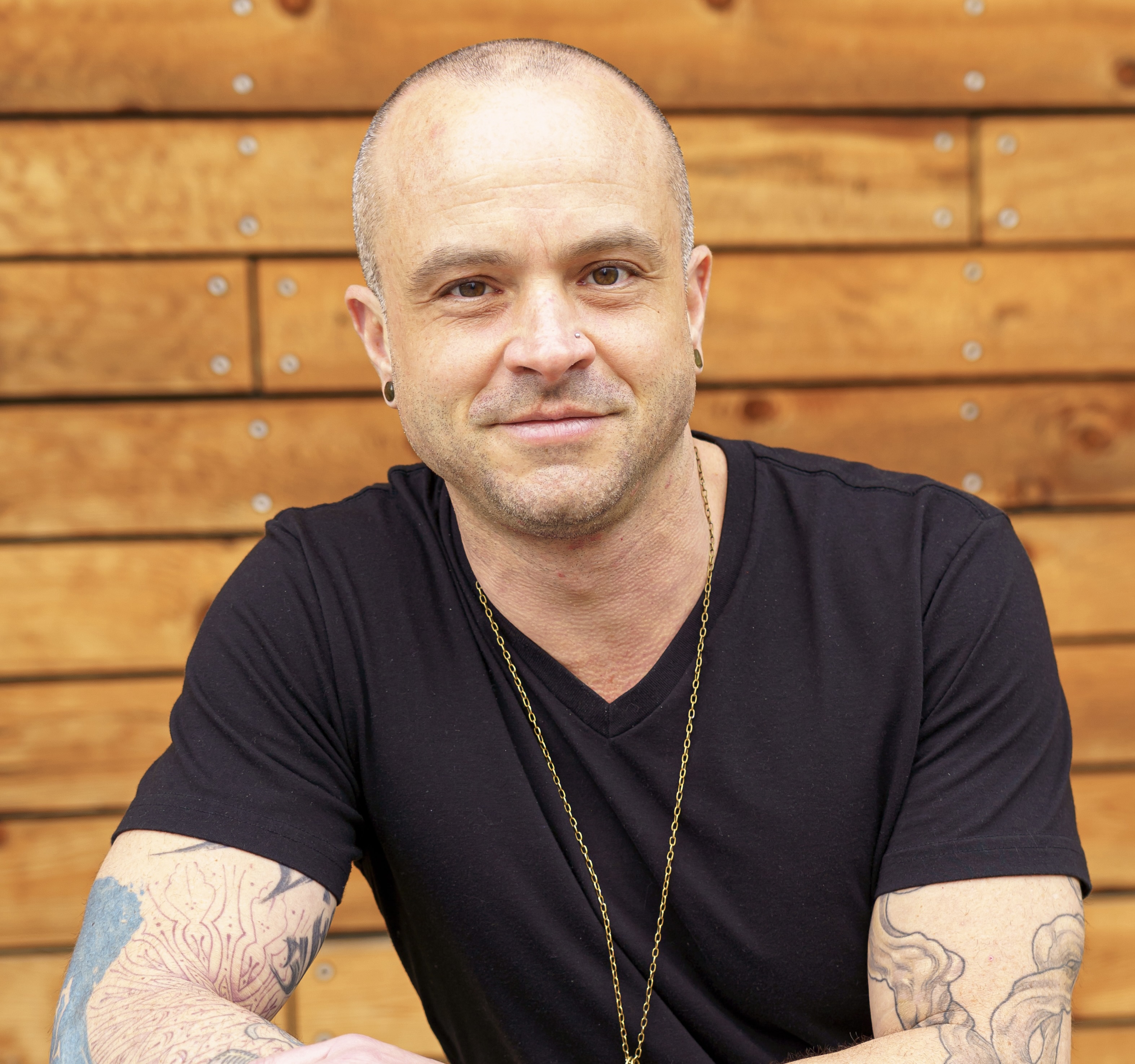
Matthew Myro Rothman is Chief Science Officer and VP of Marketing at EM2P2 and CannaLnx, where he helps bridge medical cannabis, healthcare infrastructure, patient education, and emerging technology. A lifelong musician, writer, philosopher, and cannabis science expert, Matthew spent more than 15 years working in cultivation, consulting, and medical cannabis operations throughout California before returning to Ohio to help shape the future of intelligent cannabis medicine. He holds a graduate degree in Philosophy, Cosmology, and Consciousness from California Institute of Integral Studies and writes extensively on cannabis science, consciousness, wellness, and human performance.
Please note: You are not currently logged in. Only members can contribute comments. If you would like to contribute click the button below.
