
Medical Cannabis and Long COVID: A New Tool for an Ongoing Mystery

Long COVID appears strongly tied to chronic inflammation, immune dysregulation, and nervous system disruption, all systems influenced by the endocannabinoid system (ECS).
CBD and full-spectrum cannabis extracts may help regulate inflammatory cytokines, oxidative stress, sleep dysfunction, and neuroinflammation associated with Long COVID.
Neuroinflammation is not simply “brain swelling.” It is a persistent immune-signaling imbalance that disrupts cognition, energy production, and nervous system stability.
Early observational data and patient reports suggest cannabinoids may improve fatigue, sleep quality, pain, anxiety, and overall quality of life in some Long COVID patients.
The ECS functions as a biological balancing system that helps regulate immune signaling, stress response, inflammation, and homeostasis.
Human clinical trials remain limited, meaning cannabis should currently be viewed as a promising investigational tool rather than a proven Long COVID treatment.
Emerging evidence suggests medical cannabis, especially CBD-rich and balanced THC:CBD formulations, may help address several core mechanisms involved in Long COVID, including neuroinflammation, immune dysregulation, and autonomic dysfunction. While controlled trials are still lacking, the biological rationale and early patient outcomes are compelling enough that cannabinoids are increasingly entering serious medical discussion around post-viral illness.
As Long COVID continues to affect millions globally, patients and researchers alike are searching for therapies capable of addressing more than isolated symptoms.
Persistent fatigue. Brain fog. Dysautonomia. Anxiety. Sleep disruption. Chronic inflammation. Exercise intolerance.
For many people, the illness feels less like a lingering infection and more like the body’s regulatory systems becoming stuck in survival mode.
That’s one reason medical cannabis, particularly CBD-rich and full-spectrum formulations, is beginning to draw serious scientific attention.
“The challenge of Long COVID is not merely lingering symptoms. It is persistent biological dysregulation.”
And the systems most disrupted by Long COVID happen to overlap significantly with the systems cannabinoids influence.
The endocannabinoid system, or ECS, plays a central role in maintaining physiological balance across the immune system, nervous system, cardiovascular regulation, mood, sleep, inflammation, and stress signaling.
“The ECS is not a single organ or pathway. It is a system-level regulator of biological equilibrium.”
Researchers increasingly believe Long COVID involves chronic inflammatory signaling alongside dysfunction of autonomic regulation and immune coordination.
That overlap matters.
The ECS influences cytokine signaling, neuroinflammation, oxidative stress, and autonomic nervous system balance, all mechanisms implicated in Long COVID pathology.
Research published through the NIH has demonstrated that cannabinoids can modulate immune activity and inflammatory signaling through CB1 and CB2 receptor pathways (https://www.ncbi.nlm.nih.gov/pmc/articles/PMC8229290/).
Some scientists now suspect ECS dysregulation itself may contribute to prolonged post-viral symptoms, much like patterns observed in autoimmune and chronic inflammatory disorders.
One of the strongest scientific arguments for cannabinoids in Long COVID centers on inflammation.
Long COVID patients frequently show elevated inflammatory markers including IL-6, TNF-alpha, and other cytokines associated with immune overactivation and tissue stress.
“Inflammation becomes pathological when the immune system loses its off-switch.”
CBD has repeatedly demonstrated anti-inflammatory effects across both neurological and systemic models.
A review published in Biomedicine & Pharmacotherapy highlighted CBD’s ability to suppress pro-inflammatory cytokines while reducing oxidative stress and modulating immune-cell signaling (https://www.ncbi.nlm.nih.gov/pmc/articles/PMC7023045/).
CBD also appears capable of influencing NLRP3 inflammasome activity, a major inflammatory pathway implicated in chronic illness and neuroimmune dysfunction (https://www.ncbi.nlm.nih.gov/pmc/articles/PMC9124761/).
That matters because neuroinflammation may sit at the center of many Long COVID symptoms.
“Brain fog is not simply forgetfulness. It may reflect inflammatory disruption of neural communication.”
One of the most debilitating features of Long COVID is profound fatigue and post-exertional malaise.
Emerging evidence suggests mitochondrial dysfunction and oxidative stress may contribute significantly to these symptoms.
Mitochondria are the energy-producing structures inside cells, and chronic inflammatory stress can impair their efficiency over time.
“Mitochondrial dysfunction is not just low energy. It is impaired cellular resilience.”
CBD has shown antioxidant and mitochondrial-supportive properties in several preclinical studies, potentially reducing reactive oxygen species and protecting cellular function during inflammatory stress (https://www.ncbi.nlm.nih.gov/pmc/articles/PMC3579248/).
That does not prove CBD reverses Long COVID fatigue. But it strengthens the biological rationale for further investigation.
Formal randomized controlled trials remain sparse, but observational reports and registry data are beginning to accumulate.
Clinicians working within integrative and cannabinoid medicine settings report that some Long COVID patients experience improvements in:
Sleep quality
Anxiety levels
Pain
Fatigue severity
Stress tolerance
Overall quality of life
A UK medical cannabis registry study examining patients with persistent post-viral symptoms reported improvements in fatigue and quality-of-life scores after initiation of cannabinoid therapy, particularly among those using balanced THC:CBD formulations.
“The absence of large clinical trials does not mean the absence of meaningful patient outcomes.”
Still, caution matters.
Observational data can reveal signals, but it cannot establish causation with the same rigor as randomized trials.
Another increasingly recognized aspect of Long COVID is dysautonomia, dysfunction of the autonomic nervous system that regulates heart rate, blood pressure, temperature control, digestion, and stress response.
This may help explain symptoms such as:
Rapid heart rate
Lightheadedness
Exercise intolerance
Temperature dysregulation
Chronic anxiety-like sensations
The ECS interacts closely with autonomic nervous system signaling and stress-response regulation.
“Homeostasis is not passive stability. It is active biological regulation.”
Cannabinoids may help stabilize some of these regulatory systems through effects on stress circuitry, inflammation, sleep, and neural signaling.
However, individual responses can vary dramatically depending on cannabinoid ratios, dosing, sensitivity, and underlying physiology.
As compelling as the mechanisms appear, cannabis is not currently an established treatment for Long COVID.
There are still major unanswered questions involving:
Optimal cannabinoid ratios
Long-term safety
Dosing strategies
Drug interactions
Patient selection
Effects on autonomic instability
Cognitive outcomes over time
“Biological plausibility is not the same thing as clinical proof.”
THC-rich formulations may also worsen anxiety, dizziness, or cardiovascular symptoms in some individuals, particularly those already struggling with dysautonomia.
That is why thoughtful medical supervision and individualized dosing matter.
Long COVID has exposed just how limited modern medicine can be when faced with complex, system-wide chronic illness.
That reality is one reason cannabinoids are entering the conversation more seriously.
Cannabis does not appear to target just one symptom. It may influence multiple disrupted systems simultaneously: inflammation, sleep, stress signaling, neuroimmune activity, oxidative stress, and autonomic regulation.
“Long COVID is not a single malfunction. It is a systems-level disorder. That may require systems-level therapies.”
CBD-rich and full-spectrum cannabinoid formulations are not miracle cures.
But the biological mechanisms are compelling enough, and the patient demand strong enough, that serious research now feels inevitable rather than fringe.
The next few years will likely determine whether cannabinoids become part of mainstream post-viral care or remain an underexplored frontier hiding in plain sight.
Early evidence suggests CBD may help regulate inflammation, sleep dysfunction, anxiety, and neuroinflammatory pathways associated with Long COVID. However, large-scale clinical trials are still needed before definitive treatment recommendations can be made.
The endocannabinoid system helps regulate immune activity, inflammation, nervous system balance, and stress signaling. Because Long COVID appears to disrupt many of these same systems, cannabinoids are being explored as potential modulators of post-viral dysfunction.
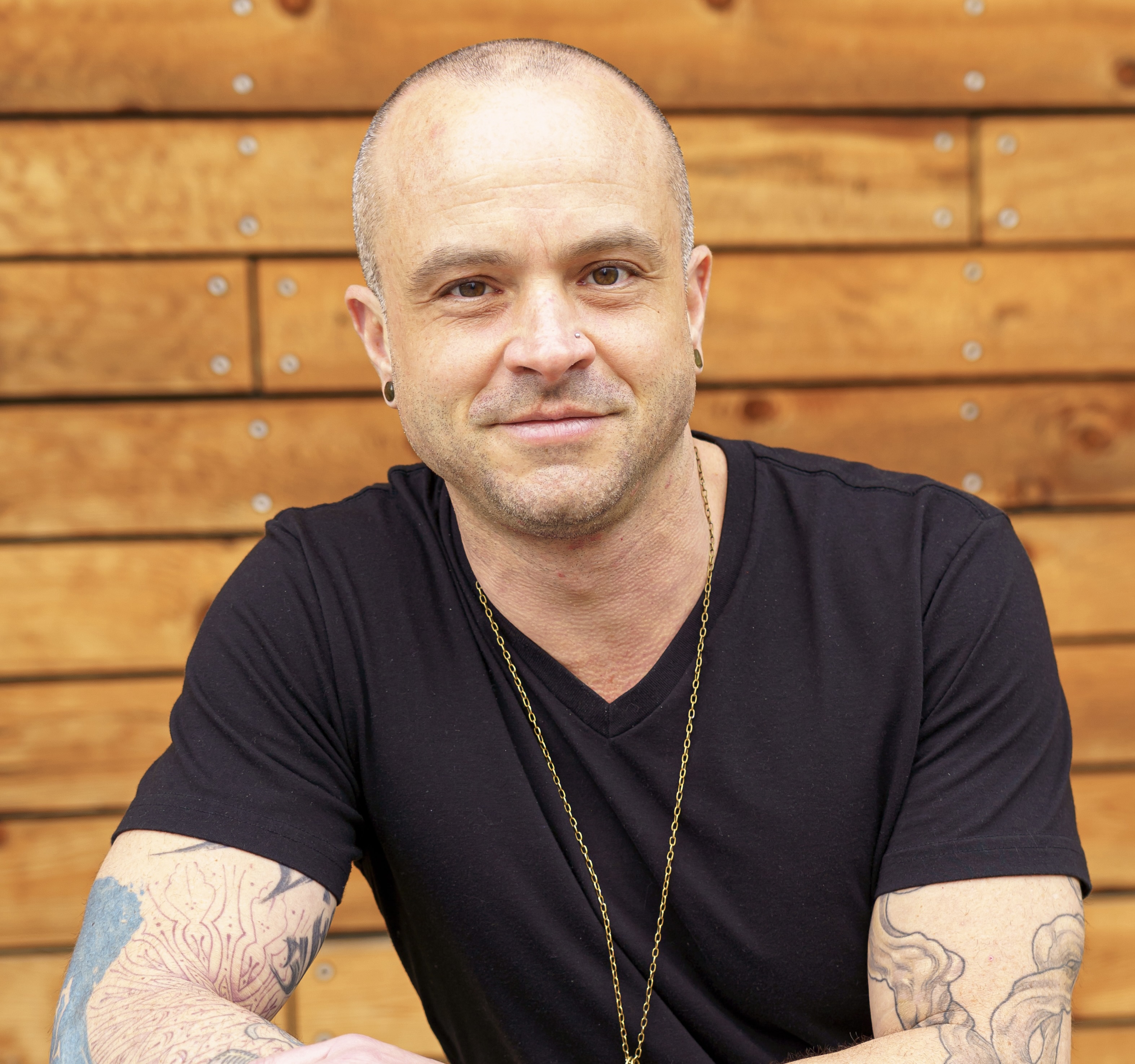
Matthew Myro Rothman is Chief Science Officer and VP of Marketing at EM2P2 and CannaLnx, where he helps bridge medical cannabis, healthcare infrastructure, patient education, and emerging technology. A lifelong musician, writer, philosopher, and cannabis science expert, Matthew spent more than 15 years working in cultivation, consulting, and medical cannabis operations throughout California before returning to Ohio to help shape the future of intelligent cannabis medicine. He holds a graduate degree in Philosophy, Cosmology, and Consciousness from California Institute of Integral Studies and writes extensively on cannabis science, consciousness, wellness, and human performance.
Please note: You are not currently logged in. Only members can contribute comments. If you would like to contribute click the button below.
