
Can Cannabis Offer Relief for Obsessive-Compulsive Disorder?

Obsessive-Compulsive Disorder (OCD) is often misunderstood—frequently reduced to jokes about excessive hand-washing or organizing pencils. In reality, it’s a debilitating anxiety disorder that traps individuals in an exhausting cycle of intrusive thoughts (obsessions) and repetitive behaviors (compulsions). Traditional treatments like SSRIs (selective serotonin reuptake inhibitors) and cognitive behavioral therapy (CBT) can be effective, but for many, they don’t provide complete relief.
So, where does medical cannabis fit into the equation? Could cannabinoids offer a new pathway for those struggling with OCD, or is this just another overhyped wellness trend? Let’s break it down.
Understanding OCD
Before diving into cannabis, it’s important to understand what OCD actually is. At its core, OCD is an anxiety-driven disorder characterized by:
- Intrusive, unwanted thoughts (e.g., “If I don’t check the stove 10 times, my house will burn down”).
- Compulsive behaviors (e.g., excessive cleaning, repeating certain actions, counting, checking locks repeatedly).
- Extreme distress and impairment – It’s not just quirky behavior. OCD sufferers experience intense anxiety that can take over their daily lives.
Traditional treatments, like SSRIs (Prozac, Zoloft, Lexapro) and CBT with exposure therapy, help some people. But they don’t work for everyone—up to 40% of OCD patients don’t respond well to SSRIs and experience unpleasant side effects like weight gain, sexual dysfunction, and emotional blunting.
This has led some patients to explore cannabis as an alternative approach to managing symptoms.
How Cannabis Interacts with the OCD Brain
To understand why cannabis might help OCD, we need to look at the body’s endocannabinoid system (ECS)—a complex network of receptors that helps regulate mood, anxiety, and compulsive behavior. The ECS plays a critical role in emotional processing and habit formation, which are directly involved in OCD symptoms.
THC and OCD: A Double-Edged Sword
THC (tetrahydrocannabinol), the psychoactive compound in cannabis, has been shown to:
- Reduce compulsive behaviors by interacting with CB1 receptors in the brain.
- Lower anxiety (in moderate doses), helping to disrupt OCD’s thought loops.
- Increase dopamine release, potentially improving mood and motivation.
However, too much THC can actually make OCD symptoms worse. High doses can:
- Trigger paranoia or exacerbate intrusive thoughts.
- Increase anxiety in some individuals, making compulsions feel more urgent.
This means dosage and strain selection are crucial when using cannabis for OCD.
CBD: The Non-Psychoactive Option
CBD (cannabidiol) is a non-intoxicating cannabinoid that interacts with serotonin receptors in the brain. Research suggests that CBD may:
- Reduce anxiety and intrusive thoughts associated with OCD.
- Promote neuroplasticity, helping the brain break compulsive patterns.
- Counteract THC’s negative effects, balancing paranoia or overstimulation.
Because CBD doesn’t cause a high or impair cognitive function, it’s considered a safer and more sustainable option for long-term use.
What the Science Says
While research on cannabis and OCD is still in its early stages, some promising studies suggest that cannabinoids could be beneficial:
- A 2020 study from Washington State University found that cannabis use significantly reduced compulsive behaviors and intrusive thoughts in OCD patients. The effect was immediate, with reductions of up to 60% in compulsions and anxiety.
- A 2019 study published in Frontiers in Psychiatry found that CBD may help regulate serotonin levels in OCD patients, leading to reduced anxiety and fewer compulsive behaviors.
- Another study in 2021 suggested that THC and CBD together might enhance the effectiveness of exposure therapy—helping OCD patients face their fears more effectively.
While these results are encouraging, larger clinical trials are needed to determine optimal dosing, long-term effects, and best treatment protocols.
Best Practices for Using Cannabis for OCD
If you or someone you know is considering cannabis for OCD, here are some best practices to keep in mind:
1. Start Low and Go Slow
Since THC can have both positive and negative effects, it’s important to start with a low dose and increase gradually to find the right balance.
- Microdosing THC (1-3mg) can provide benefits without triggering paranoia.
- Higher doses (>10mg) may lead to overstimulation and worsening symptoms.
2. Choose the Right Strains
Some cannabis strains are better suited for OCD than others:
- CBD-Dominant Strains (e.g., Harlequin, ACDC, Charlotte’s Web) – Great for reducing anxiety and compulsions without the psychoactive effects of THC.
- Balanced THC/CBD Strains (e.g., Cannatonic, Pennywise) – Provide relaxation without overstimulation.
- THC-Dominant Strains (e.g., Granddaddy Purple, Northern Lights) – Can help with anxiety and sleep but should be used cautiously.
3. Try Alternative Delivery Methods
- Tinctures and oils allow for precise dosing.
- Vaporizing cannabis provides immediate relief without the lung damage associated with smoking.
- Edibles offer long-lasting effects but can be unpredictable—so start with small doses.
4. Combine Cannabis with Other Therapies
Cannabis is not a cure-all, but it can be a useful tool alongside traditional treatments like:
- Cognitive Behavioral Therapy (CBT)
- Exposure and Response Prevention (ERP)
- Meditation and mindfulness practices
So… Can Cannabis Help OCD?
Cannabis isn’t a one-size-fits-all solution, but for some OCD sufferers, it can provide significant relief from anxiety, intrusive thoughts, and compulsive behaviors.
- CBD appears to be the safest option, offering anti-anxiety effects without impairment.
- Low-dose THC may help some patients, but high doses can make symptoms worse.
- More research is needed to establish clear guidelines for cannabis use in OCD treatment.
If you’re considering medical cannabis for OCD, talk to a healthcare professional who understands both cannabis medicine and mental health. OCD is a complex disorder, and while cannabis may be a helpful tool, it works best as part of a comprehensive treatment plan.
For those struggling with the relentless cycle of obsessions and compulsions, cannabis may offer a moment of peace in an otherwise chaotic mind—and that alone makes it worth exploring.
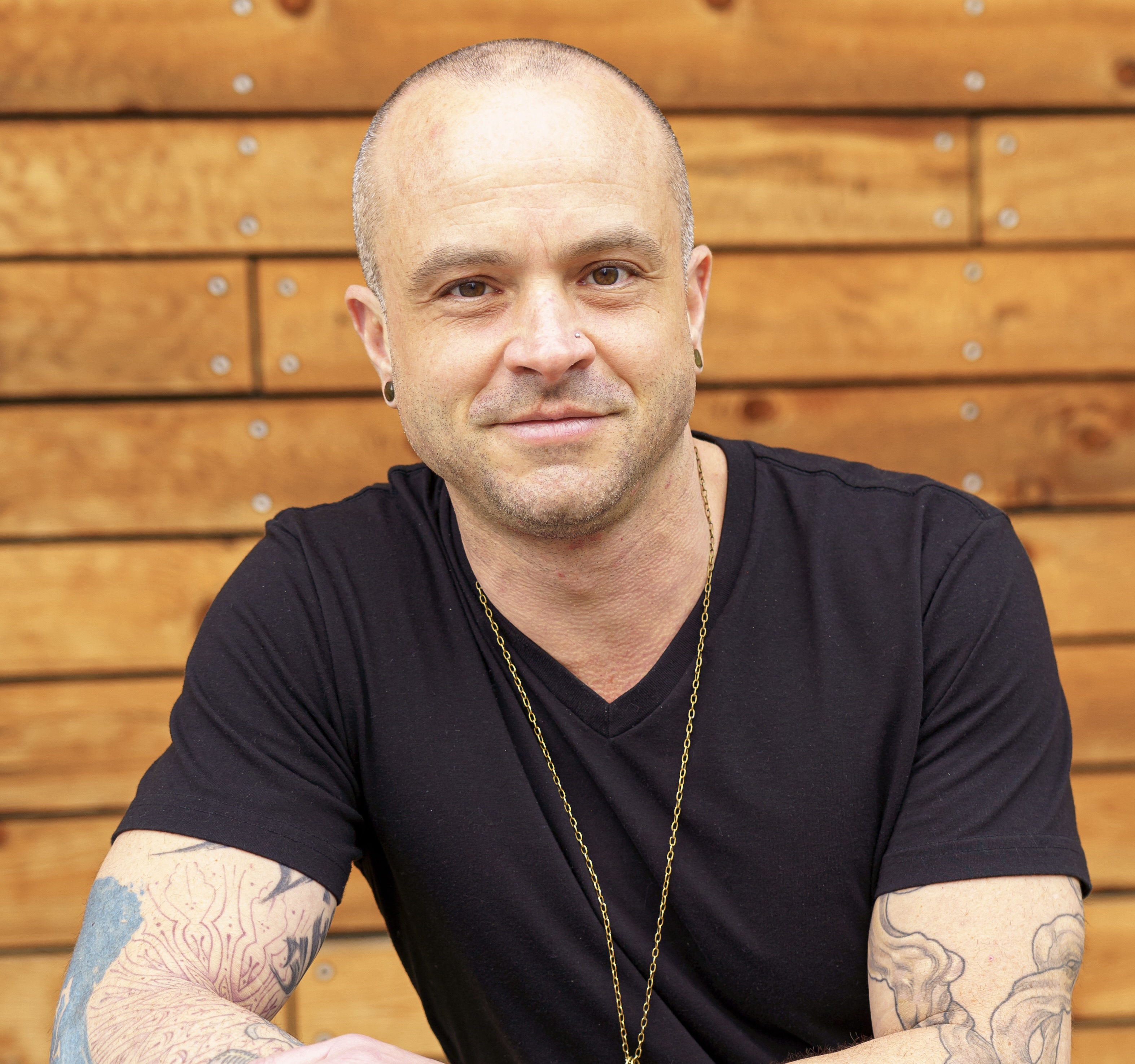
Matthew Myro Rothman is Chief Science Officer and VP of Marketing at EM2P2 and CannaLnx, where he helps bridge medical cannabis, healthcare infrastructure, patient education, and emerging technology. A lifelong musician, writer, philosopher, and cannabis science expert, Matthew spent more than 15 years working in cultivation, consulting, and medical cannabis operations throughout California before returning to Ohio to help shape the future of intelligent cannabis medicine. He holds a graduate degree in Philosophy, Cosmology, and Consciousness from California Institute of Integral Studies and writes extensively on cannabis science, consciousness, wellness, and human performance.

Comments (0)