
Caregiving, Chronic Stress, and Cannabis: Can Cannabinoid Medicine Support Those Who Care for Others?
Key Takeaways
Caring for an older adult can create sustained psychological, emotional, and physical stress, making caregiver well-being an important healthcare concern.
Some caregivers use cannabis to manage stress, sleep difficulties, and emotional strain, but their reported experiences should not be confused with established clinical benefits.
The endocannabinoid system helps regulate physiological responses to stress, providing a scientific rationale for investigating cannabinoids without guaranteeing therapeutic effectiveness.
Cannabis may offer symptom relief for certain individuals, but THC can also impair attention, memory, and judgment, creating additional considerations for caregivers.
Sustainable caregiving requires more than symptom management. It requires recognizing caregivers as people with healthcare needs of their own.
Integrating caregiver health into mainstream healthcare could improve opportunities to document outcomes, evaluate treatments, and develop evidence-based support.
Quick Hit
Can cannabis help family caregivers manage chronic stress and sleep difficulties? Some caregivers report using cannabis for these purposes, and the endocannabinoid system provides a plausible biological basis for further investigation. However, clinical evidence specifically demonstrating that cannabis improves caregiver stress, sleep, or caregiving performance remains limited, making individualized risk assessment and better research essential.
The Hidden Health Cost of Caring for Someone Else
There is a kind of exhaustion that doesn't show up on a fitness tracker.
It isn't captured by step counts or heart rate variability. It accumulates through interrupted sleep, difficult decisions, emotional vigilance, and the persistent awareness that someone else's well-being depends, at least partly, on your ability to keep going.
For millions of Americans caring for aging parents, spouses, or other loved ones, this is an ordinary part of daily life.
Caregiving is frequently described as an act of love, and rightly so. But love doesn't eliminate the physiological consequences of sustained stress.
Research has associated caregiving with greater psychological distress, depressive symptoms, sleep disruption, and, in some circumstances, adverse physical health outcomes. The magnitude of these effects varies considerably depending on caregiving demands, available support, financial circumstances, and the caregiver's own health.
This raises an important question that healthcare has not always addressed adequately: Who is caring for the caregiver?
Cannabis is increasingly part of the broader conversation about managing stress and sleep. Its potential role in caregiver well-being deserves scientific attention, but understanding that role requires separating biological plausibility, personal experience, and demonstrated clinical benefit.
Caregiver Burden Is More Than Emotional Exhaustion
Caregiving places multiple demands on the same person.
A caregiver may coordinate medical appointments, manage medications, prepare meals, provide physical assistance, monitor symptoms, and respond to unexpected emergencies. These responsibilities often coexist with employment, parenting, financial obligations, and the ordinary challenges of daily life.
Researchers describe the resulting strain as caregiver burden, a combination of perceived emotional, physical, social, and financial demands associated with providing care.
Caregiver burden is not simply the amount of work someone performs. It is the cumulative cost of sustaining that work with the resources available.
This distinction matters because two people providing similar levels of assistance may experience very different consequences.
One may have dependable family support, flexible employment, and opportunities for uninterrupted rest. Another may be managing nearly identical responsibilities alone.
Their caregiving tasks might look similar on paper, but their physiological and psychological experiences can be dramatically different.
Chronic stress helps explain why.
When the brain perceives a challenge, it activates interconnected systems, including the sympathetic nervous system and the hypothalamic-pituitary-adrenal axis, or HPA axis. These systems help mobilize energy and coordinate responses to demanding situations.
In the short term, this response is adaptive. It prepares us to act.
Problems can emerge when stress becomes persistent and opportunities for recovery become inadequate.
Sleep may deteriorate. Emotional regulation can become more difficult. Attention and decision-making may suffer. Over time, the accumulation of these demands can undermine the very resilience caregiving requires.
The problem with chronic stress is not that the body responds to challenges. It is that the body may have too few opportunities to recover between them.
Why Cannabis Has Entered the Caregiving Conversation
Cannabis occupies an interesting position in discussions of stress management.
Some adults use cannabis because they perceive benefits for relaxation, sleep, or emotional well-being. It is reasonable to investigate whether caregivers, who frequently experience these difficulties, might also seek relief through cannabinoid products.
But there is an important scientific distinction between why someone uses a substance and whether that substance reliably produces the intended benefit.
Self-reported improvement can be meaningful to the individual. It does not, by itself, establish clinical effectiveness.
Research examining cannabis specifically as an intervention for caregiver burden remains limited. We therefore cannot confidently conclude that cannabis improves caregiver resilience, reduces caregiving-related stress, or enhances the quality of care provided to another person.
What we can do is investigate the biological mechanisms that make these questions worth asking.
The Endocannabinoid System and the Biology of Stress
The endocannabinoid system is involved in how the body responds to changing conditions.
It includes naturally produced signaling molecules, cannabinoid receptors, and enzymes that synthesize and break down those molecules.
Two well-characterized endocannabinoids are anandamide and 2-arachidonoylglycerol, commonly called 2-AG. They interact with cannabinoid receptors, including CB1 receptors found throughout the nervous system and CB2 receptors associated with immune and other physiological functions.
One of the system's important roles involves regulating communication between nerve cells and influencing stress-related signaling.
The endocannabinoid system is a biological signaling network that helps regulate how cells respond to changing internal and external conditions.
Preclinical research, including animal studies, has demonstrated that endocannabinoid signaling participates in stress responses, fear-related learning, and emotional regulation.
These findings provide a mechanistic foundation for investigating cannabinoid-based interventions.
However, the relationship is not as simple as adding cannabinoids to restore balance.
THC activates CB1 receptors and can produce relaxation or euphoria in some circumstances, but it can also cause anxiety, altered perception, impaired memory, and other unwanted effects. Responses depend on dose, individual sensitivity, prior exposure, and context.
CBD has different pharmacological properties and has attracted research interest for anxiety-related conditions, although findings from specific clinical settings cannot automatically be generalized to chronic caregiver stress.
A biological mechanism explains why a treatment might work. Clinical evidence determines whether it actually helps patients.
That distinction is especially important when discussing an already vulnerable population.
Why Sleep and Stress Relief Require Different Questions
Sleep is often one of the first casualties of caregiving.
A caregiver may wake repeatedly to assist a loved one, remain alert for possible emergencies, or struggle to disengage mentally after a demanding day.
Some cannabis users report that certain products help them fall asleep. Yet the scientific literature presents a more complicated picture.
Clinical studies of cannabinoids and sleep have produced mixed results, with important differences in study populations, formulations, doses, and measured outcomes.
Some research suggests potential improvements in particular sleep-related symptoms, especially among patients with underlying medical conditions. Other studies raise questions about sleep quality, tolerance, withdrawal-related sleep disturbances, and next-day impairment.
Falling asleep more easily is not necessarily equivalent to obtaining more restorative sleep.
For caregivers, that distinction carries additional consequences.
Someone responsible for nighttime medication administration, fall prevention, or emergency decisions needs more than relief from tension. They also need to remain capable of responding appropriately when necessary.
A treatment that reduces perceived stress but compromises a caregiver's ability to respond may exchange one burden for another.
This does not mean cannabis has no possible role in caregiver well-being. It means that any evaluation must consider both symptom relief and functional safety.
The Difference Between Relief and Resilience
Reducing discomfort and improving long-term well-being are related, but they are not identical goals.
A person might experience temporary relaxation without meaningful improvement in the underlying circumstances producing chronic stress.
This is particularly relevant for caregivers, whose responsibilities may remain unchanged regardless of how they manage their symptoms.
Cannabis may provide perceived short-term relief for some individuals, but frequent use can also introduce concerns involving tolerance, dependence, cognitive effects, and cannabis use disorder.
Those risks are not inevitable, nor are they identical across products or patterns of use. Nevertheless, they deserve consideration when someone is seeking a sustainable response to ongoing stress.
A more useful clinical question is not simply whether cannabis helps a caregiver feel better.
It is whether a particular intervention improves sleep, emotional well-being, and daily functioning without introducing unacceptable risks.
Resilience is not the ability to tolerate unlimited stress. It is the capacity to recover, adapt, and remain functional when demands persist.
That capacity may be supported through respite care, counseling, practical assistance, social connection, treatment of underlying health conditions, and evidence-based approaches to sleep and stress management.
Cannabis should be evaluated within that broader framework, not presented as a substitute for it.
What Would Better Cannabis Research Look Like?
Caregiver-specific research needs to examine outcomes that actually matter.
Rather than measuring only whether participants feel more relaxed after using cannabis, researchers could investigate changes in validated stress scores, sleep quality, daytime alertness, mood, and overall functioning.
They would also need to document the cannabis preparation itself.
THC and CBD concentrations, dose, route of administration, frequency of use, and product consistency all influence how findings should be interpreted.
This is where cannabinoid medicine intersects with a much larger challenge in healthcare: connecting what patients use with what subsequently happens to their health.
Longitudinal healthcare data is information collected over time that allows clinicians and researchers to examine how exposures, symptoms, and outcomes change together.
For cannabinoid medicine, reliable longitudinal data could help identify patterns worth investigating through controlled clinical trials.
Electronic Medical Records could also play a role by documenting caregiver stress, relevant health conditions, medications, and reported cannabinoid use, provided appropriate privacy and data-quality safeguards are maintained.
Certificates of Analysis could help characterize the chemical composition of tested products, although they cannot independently establish clinical efficacy or guarantee that every product used has identical composition.
These connections would not eliminate the need for rigorous research. They could, however, make it easier to ask better questions and generate more useful evidence.
Healthcare Must Recognize the Caregiver as a Patient, Too
There is a broader issue beneath the cannabis conversation.
Healthcare has traditionally organized treatment around an identifiable patient. Yet much of that patient's daily support may depend on someone whose own health receives comparatively little attention.
That creates an unusual imbalance.
We recognize the importance of continuity of care, medication adherence, emotional support, and safe living environments. But the people responsible for providing much of that support may be experiencing substantial stress themselves.
Supporting caregivers is therefore more than a compassionate gesture. It is a legitimate healthcare priority.
Cannabinoid medicine may eventually contribute to that support for certain individuals, but its role must be established through careful research rather than assumptions about relaxation or stress relief.
The more consequential shift is recognizing that caregiver well-being deserves systematic assessment, meaningful clinical guidance, and access to appropriate interventions.
And perhaps that leads to the most important question of all: What would healthcare look like if we treated the health of those providing care as an essential part of the health of those receiving it?
Why This Matters
Caregiver well-being is an overlooked dimension of healthcare delivery. Chronic stress, disrupted sleep, and emotional exhaustion can affect both the person providing care and the sustainability of that care. Cannabis deserves investigation as one possible tool for symptom management, but biological plausibility and personal reports are not substitutes for clinical evidence. The greater opportunity is to recognize caregivers as individuals with measurable healthcare needs and to develop systems capable of evaluating which interventions genuinely help them. Sustainable caregiving depends not only on the dedication of caregivers, but also on our willingness to support their health with the same seriousness we bring to the people they care for.
Frequently Asked Questions
Can Cannabis Help Family Caregivers Manage Stress?
Cannabis may provide perceived stress relief for some caregivers, but clinical research specifically evaluating its effectiveness for caregiver burden is limited. THC can produce relaxation or anxiety depending on dose and individual response. Caregivers should consider potential cognitive impairment, medication interactions, and their responsibilities when evaluating cannabis use.
Does Medical Cannabis Improve Sleep Quality?
Research findings are mixed. Some clinical trials report improvements in sleep symptoms with certain cannabinoid formulations, while a 2026 Cochrane review found very uncertain evidence of clinically meaningful improvements in sleep quality or duration. Effects depend on formulation, dose, underlying conditions, and individual response.
Sources
Peer-Reviewed Research
Varela et al. (2026). Medical Cannabis for the Treatment of Insomnia. Cochrane Database of Systematic Reviews.
https://doi.org/10.1002/14651858.CD016216.pub2
Cannabis and Sleep Architecture: A Systematic Review and Meta-Analysis (2025). Sleep Medicine Reviews.
https://pubmed.ncbi.nlm.nih.gov/40967124/
Recreational Cannabis Use and Sleep in the General Population: A Systematic Review and Meta-Analysis (2025).
https://pubmed.ncbi.nlm.nih.gov/41187699/
Clinical & Government Resources
AARP and National Alliance for Caregiving (2026). Essential and Unseen: The Health and Well-Being of Family Caregivers.
https://www.aarp.org/pri/topics/ltss/family-caregiving/family-caregivers-health-well-being/
AARP and National Alliance for Caregiving (2026). Family Caregivers of Adults Age 50-plus: The Caregiving in the US 2025 Series.
https://www.aarp.org/pri/topics/ltss/family-caregiving/family-caregiving-in-us-2025/
National Institutes of Health, NCCIH. Cannabis (Marijuana) and Cannabinoids: What You Need to Know.
https://www.nccih.nih.gov/health/cannabis-marijuana-and-cannabinoids-what-you-need-to-know
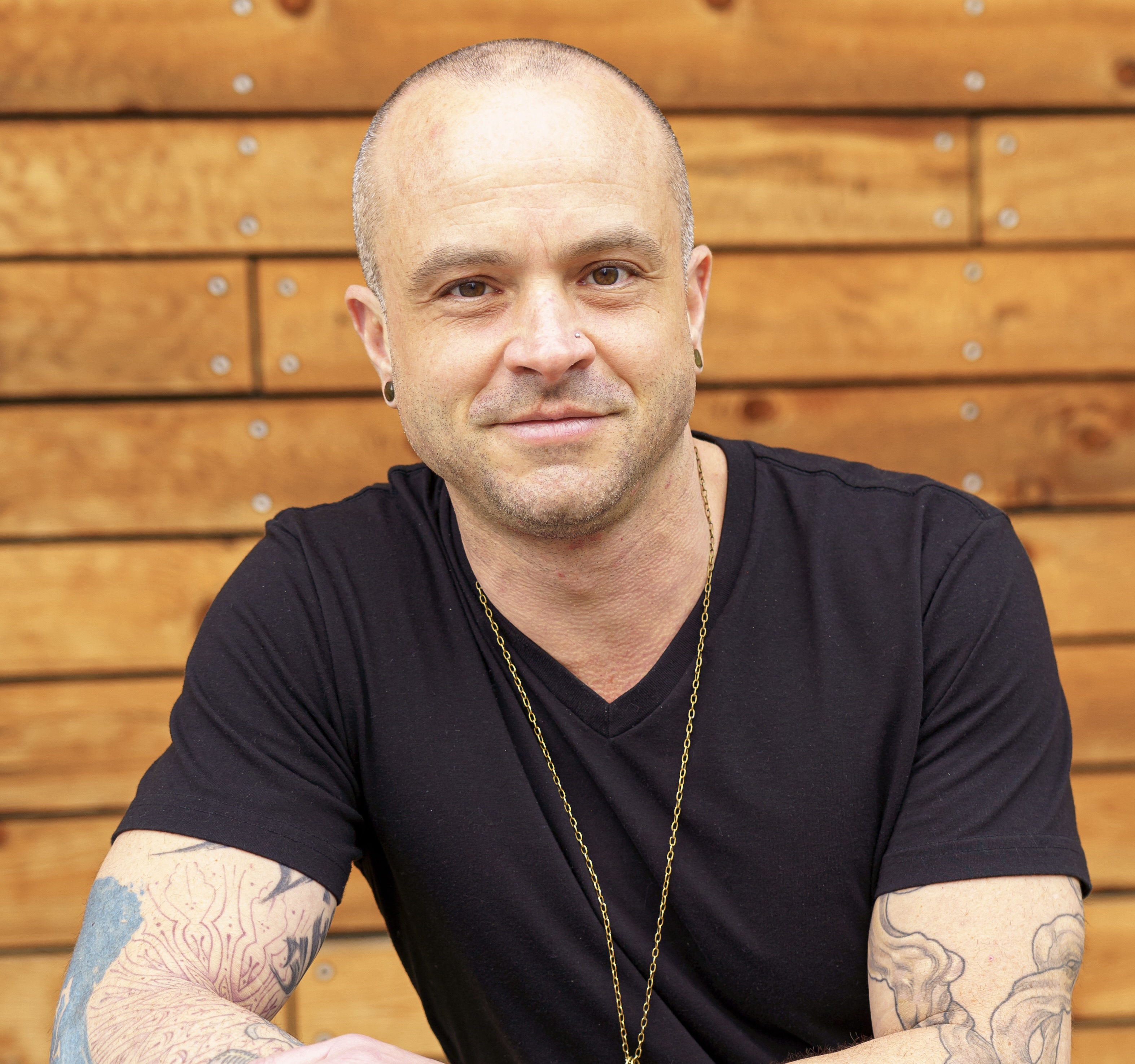
Matthew Myro Rothman is Chief Science Officer and VP of Marketing at EM2P2 and CannaLnx, where he helps bridge medical cannabis, healthcare infrastructure, patient education, and emerging technology. A lifelong musician, writer, philosopher, and cannabis science expert, Matthew spent more than 15 years working in cultivation, consulting, and medical cannabis operations throughout California before returning to Ohio to help shape the future of intelligent cannabis medicine. He holds a graduate degree in Philosophy, Cosmology, and Consciousness from California Institute of Integral Studies and writes extensively on cannabis science, consciousness, wellness, and human performance.

Comments (0)