
Cannabis, Music, and the Missing Ingredient in Personalized Medicine
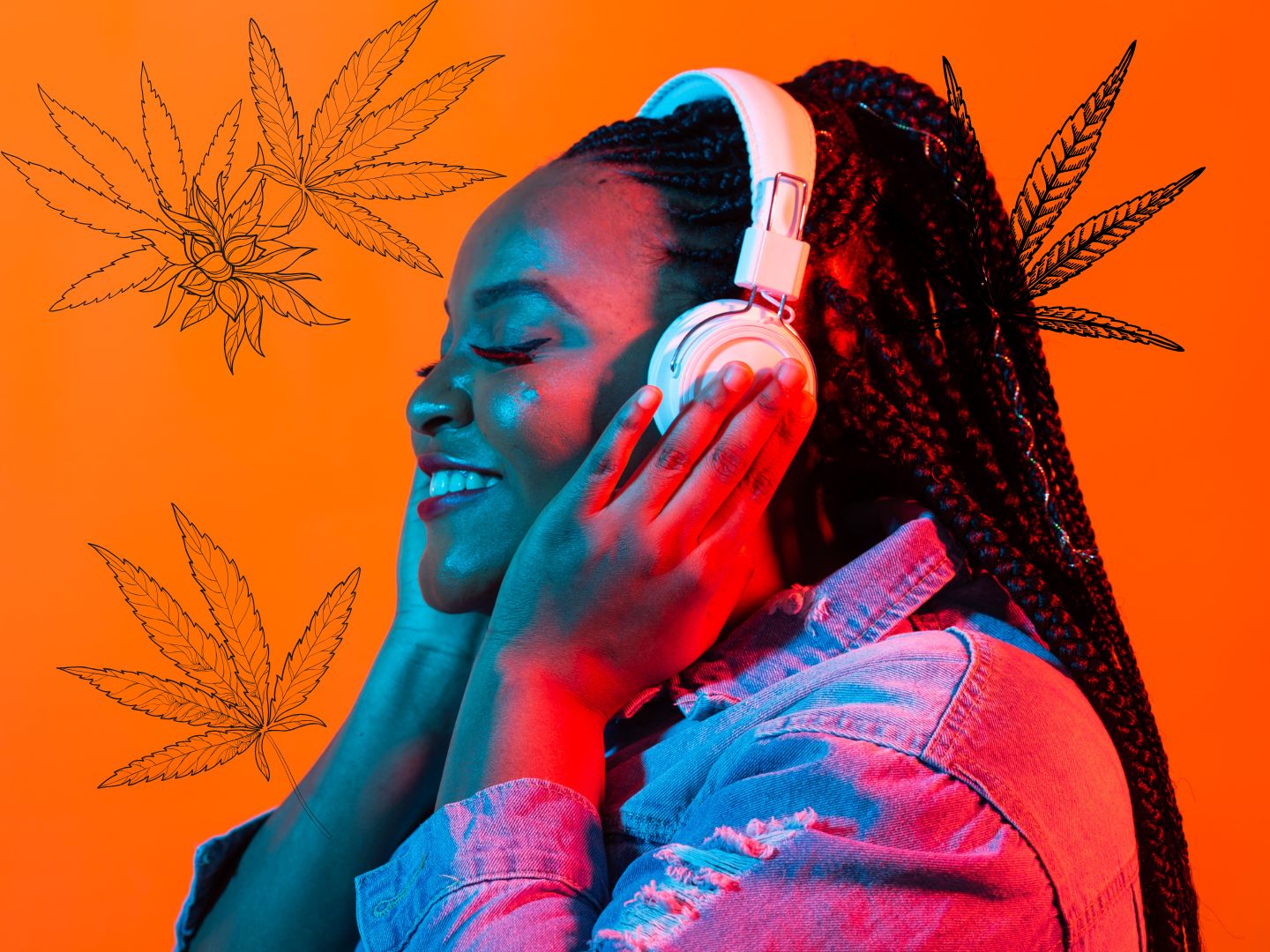
Key Takeaways
New research suggests that cannabis may enhance the emotional significance of music, raising questions about how environment and experience influence therapeutic outcomes.
In a survey of 122 cannabis consumers, participants frequently reported improved relaxation, mood, and emotional connection when combining cannabis with music.
Some participants reported substituting cannabis for prescription medications, but the study did not establish that music improves clinical outcomes or reduces medication requirements.
The findings highlight an often-overlooked dimension of cannabinoid medicine: the circumstances surrounding treatment may matter alongside the medicine itself.
Personalized cannabinoid medicine will require more than identifying effective products. It will require understanding how patients respond to those products in their everyday lives.
Quick Hit
Can listening to music enhance the therapeutic effects of cannabis? Emerging research suggests that music may complement cannabis-related emotional experiences, particularly relaxation and mood regulation, although controlled clinical studies are needed to establish therapeutic benefits. The larger implication is that effective cannabinoid medicine may depend not only on what patients consume, but also on the context in which they consume it.
Cannabis and Music Have a Long History. Science Is Finally Catching Up.
Anyone who has listened to Pink Floyd with a good pair of headphones and a little cannabis probably doesn't need a scientific study to appreciate the relationship between the two.
But understanding why that relationship exists, and whether it has therapeutic significance, is a considerably more interesting question.
A 2026 study published in Cannabis and Cannabinoid Research offers some intriguing clues. Researchers from Dalhousie University and collaborating institutions surveyed 122 cannabis consumers about their experiences with music, emotional responses, and cannabis use.
An impressive 93% viewed the combination of cannabis and music favorably. Participants frequently described increased relaxation, happiness, emotional connection, and a greater sense of engagement with music.
Perhaps most interestingly, researchers found that cannabis did not significantly increase overall music reward scores. Instead, participants described changes in how emotionally meaningful music became.
That distinction matters.
The findings suggest that cannabis may not simply make music more pleasurable. It may change how listeners engage with the emotions music evokes.
This raises a larger question for cannabinoid medicine: What if the therapeutic experience involves more than the pharmacological properties of the product?
The Difference Between Hearing Music and Feeling Music
Music is more than an auditory experience.
A familiar melody can evoke a childhood memory, shift our emotional state, or produce a physical sensation before we consciously recognize what we're hearing. Music engages networks involved in memory, attention, emotion, and reward.
Cannabis also influences several of these functions through the endocannabinoid system, a signaling network involved in regulating numerous physiological processes, including responses to stress, pain, and emotionally significant experiences.
There is a plausible intersection here, although the precise mechanisms underlying cannabis-music interactions remain uncertain.
A separate 2025 study from Toronto Metropolitan University found that cannabis consumers reported greater absorption in music while intoxicated. Researchers also identified experiences involving emotional openness, heightened sensory awareness, and altered interpretations of familiar songs.
Musical absorption is the degree to which a listener becomes deeply engaged in music, sometimes experiencing reduced awareness of competing thoughts or distractions.
This is important because emotional engagement and sensory perception are not necessarily the same thing.
A person might hear precisely the same guitar solo yet experience it as more personally meaningful, emotionally moving, or absorbing.
Interestingly, earlier brain-imaging research found that THC-containing cannabis without cannabidiol (CBD) actually reduced music-related activity in several brain regions associated with reward and emotion. The presence of CBD appeared to offset some of those changes.
That apparent contradiction is a useful reminder that subjective experience and measurable brain activity do not always tell identical stories.
Cannabis does not necessarily change the music. It may change the relationship between the listener, the music, and the emotions that emerge.
Understanding that relationship could have implications extending well beyond recreational enjoyment.
When the Treatment Experience Becomes Part of the Treatment
Healthcare traditionally evaluates medications through relatively controlled variables: active ingredients, dosage, administration route, treatment duration, and measurable outcomes.
These variables are essential, but they don't capture the entire patient experience.
Consider two individuals using the same cannabinoid formulation to manage similar symptoms.
One consumes it after a stressful commute, surrounded by distractions and unfinished obligations. The other uses it during a quiet evening, listening to familiar music in a comfortable environment.
Even with identical products and doses, their subjective experiences may differ considerably.
This doesn't establish that one environment produces better medical outcomes. It illustrates why treatment context deserves investigation.
Treatment context is the combination of environmental, psychological, and behavioral conditions that can influence how a patient experiences an intervention.
In the case of cannabis, these conditions might include emotional state, expectations, social surroundings, sensory stimulation, and concurrent activities.
The 2026 survey provides preliminary support for investigating music as one component of that context.
Participants reported that combining cannabis with music often helped them feel happier, calmer, and less fearful or angry. These findings are meaningful descriptions of patient experience, but they are not proof of clinical effectiveness.
The study relied on retrospective self-reports from cannabis consumers rather than randomized treatment assignments. It therefore cannot determine whether cannabis enhanced music's effects, music enhanced cannabis's effects, or participants' expectations influenced both.
Nevertheless, the observations point toward an interesting possibility.
The therapeutic value of a medicine may depend partly on the conditions in which its effects are experienced.
That principle is familiar in other areas of healthcare. Its application to cannabinoid medicine deserves more rigorous attention.
Prescription Drug Substitution: An Important Finding With Important Limits
The study also explored participants' use of cannabis as an alternative to conventional medications.
Among surveyed cannabis consumers, 28% reported substituting cannabis for sleeping medications, 18% for anti-anxiety medications, 16% for antidepressants, and 12% for opioids.
These findings warrant attention, particularly given ongoing interest in whether cannabinoid-based treatments might help some patients reduce their reliance on other medications.
But the distinction between substitution and demonstrated therapeutic benefit is critical.
The researchers documented what participants reported doing. They did not establish that cannabis provided equivalent symptom control, that prescription reductions were medically appropriate, or that adding music caused reductions in medication use.
Nor should patients interpret these findings as a reason to discontinue prescribed treatments without medical supervision.
Still, patient-reported substitution is a legitimate subject for further investigation.
If individuals are changing their medication use because they believe cannabis, sometimes accompanied by music, improves their symptoms, healthcare researchers should want to understand those decisions.
What symptoms are patients attempting to manage? Which outcomes improve or worsen? Are benefits sustained? What adverse effects emerge? How do these experiences compare with established treatments?
Patient-reported improvement is a starting point for medical investigation, not the endpoint of medical evidence.
The opportunity is to move from interesting observations toward clinically meaningful answers.
From Cannabis Products to Personalized Treatment Experiences
This is where the conversation becomes especially relevant to the future of cannabinoid medicine.
As cannabis becomes more integrated into mainstream healthcare, the industry faces a fundamental challenge: translating individual patient experiences into reliable clinical knowledge.
Today, much of the available information focuses on products and purchasing behavior. We can identify cannabinoid concentrations, review Certificates of Analysis (COAs), and document what patients purchase.
But purchasing data cannot tell us whether a treatment worked.
A patient might purchase a THC-dominant product for sleep, use it while listening to music, and report feeling more relaxed. Without additional information, we cannot determine whether the improvement resulted from the cannabinoid formulation, the music, the patient's expectations, or some interaction among these factors.
The solution isn't to disregard subjective experiences. It's to capture them systematically.
Imagine a healthcare infrastructure capable of connecting verified product composition, dosage, administration method, patient-reported symptoms, treatment context, and outcomes over time.
With appropriate patient consent and privacy protections, these records could help researchers investigate questions that conventional cannabis sales data cannot answer.
Does listening to music consistently improve patient-reported relaxation during cannabinoid treatment? Are certain responses associated with particular THC-to-CBD ratios? Do patients with different symptoms respond differently? Are improvements sustained over weeks or months?
These are research questions, not established clinical relationships.
But answering them becomes more feasible when healthcare systems can connect product-level information with longitudinal patient outcomes.
Healthcare interoperability is the ability of different healthcare information systems to exchange and meaningfully use patient information.
For cannabinoid medicine, interoperability could allow relevant treatment information to become part of a patient's broader medical history rather than remaining isolated within a dispensary transaction.
Electronic Medical Records, standardized outcomes assessments, verified phytochemical information, and appropriate clinical oversight could collectively support a more complete understanding of cannabinoid treatment.
The Next Frontier Is Learning From the Whole Patient
There is a temptation to view personalized cannabinoid medicine primarily as a product-matching exercise.
Find the right cannabinoid ratio, terpene profile, and dosage, then match them to a particular diagnosis.
That may eventually become part of the equation, but human physiology and behavior are rarely so tidy.
The cannabis-and-music research suggests another dimension worth exploring: the interaction between pharmacology and lived experience.
A carefully designed clinical trial could compare music listening and quiet rest under standardized cannabinoid and placebo conditions, measuring emotional responses, symptom changes, adverse effects, and longer-term outcomes.
Such research could help determine whether music provides an additional benefit, whether that benefit depends on cannabis, and which patients might benefit most.
It could also reveal that music alone provides similar benefits for some individuals, an equally valuable finding.
The goal of personalized medicine should never be to maximize the number of interventions a patient receives. It should be to identify the combination of interventions that produces the greatest benefit with the least risk.
And that brings us to perhaps the most intriguing implication of this research.
For decades, cannabinoid medicine has largely focused on understanding the plant and its compounds. Increasingly, we have the opportunity to study the patient, their environment, and the complex relationship between them.
The next generation of cannabinoid research may reveal that understanding the medicine requires understanding the experience of taking it.
Why This Matters
The emerging science of cannabis and music raises a question that extends well beyond either subject: How much of a treatment's effectiveness depends on the context in which it is experienced? Early findings suggest that music may influence the emotional experience of cannabis, but clinical benefits remain unproven. For healthcare, the opportunity is to investigate these interactions through rigorous research and better longitudinal patient data. As cannabinoid medicine evolves, success will require more than standardized products and improved access. It will require healthcare systems capable of learning from the full patient experience, including the biological, behavioral, and environmental factors that shape treatment outcomes.
Frequently Asked Questions
Does Cannabis Make Music More Enjoyable?
Many cannabis consumers report greater emotional engagement, relaxation, and absorption while listening to music. However, research has not consistently demonstrated increased overall musical pleasure. Cannabis may influence the emotional significance of music without necessarily improving auditory perception or reward responses.
Can Listening to Music Improve the Medical Benefits of Cannabis?
Preliminary survey research suggests that some cannabis consumers perceive additional relaxation and emotional benefits when combining cannabis with music. However, controlled clinical trials have not established that music enhances the medical effectiveness of cannabis or reduces the need for prescription medications.
Sources
Peer-Reviewed Research
Valentin et al. (2026). Evaluating the Combined Effects of Cannabinoids and Music, and Their Interactions in Mood and Emotional Regulation: An Online Survey. Cannabis and Cannabinoid Research.
https://pubmed.ncbi.nlm.nih.gov/42421248/
Darakjian et al. (2025). Exploring the Interaction Between Cannabis and Music. Annals of the New York Academy of Sciences.
https://pmc.ncbi.nlm.nih.gov/articles/PMC12448268/
Freeman et al. (2018). Cannabis Dampens the Effects of Music in Brain Regions Sensitive to Reward and Emotion. International Journal of Neuropsychopharmacology.
https://pmc.ncbi.nlm.nih.gov/articles/PMC5795345/
Therapeutic Use of Cannabis and Cannabinoids: A Review (2025). Clinical evidence, treatment considerations, and risks associated with medical cannabis.

Matthew Myro Rothman is Chief Science Officer and VP of Marketing at EM2P2 and CannaLnx, where he helps bridge medical cannabis, healthcare infrastructure, patient education, and emerging technology. A lifelong musician, writer, philosopher, and cannabis science expert, Matthew spent more than 15 years working in cultivation, consulting, and medical cannabis operations throughout California before returning to Ohio to help shape the future of intelligent cannabis medicine. He holds a graduate degree in Philosophy, Cosmology, and Consciousness from California Institute of Integral Studies and writes extensively on cannabis science, consciousness, wellness, and human performance.

Comments (0)